Turov is a quiet town in southern Belarus, often called the spiritual heart of the Polesie region. Life here moves at its own unhurried pace, shaped by the slow currents of the Pripyat River, the weathered wooden houses, and the ancient churches that have stood for centuries. It’s a place where the past doesn’t feel distant—it lingers in the narrow streets, the old orchards, and the way people still speak of history as if it happened yesterday. But more than anything, Turov is tied to one name: Kirill of Turov, a medieval scholar and bishop whose legacy has become inseparable from the town itself.
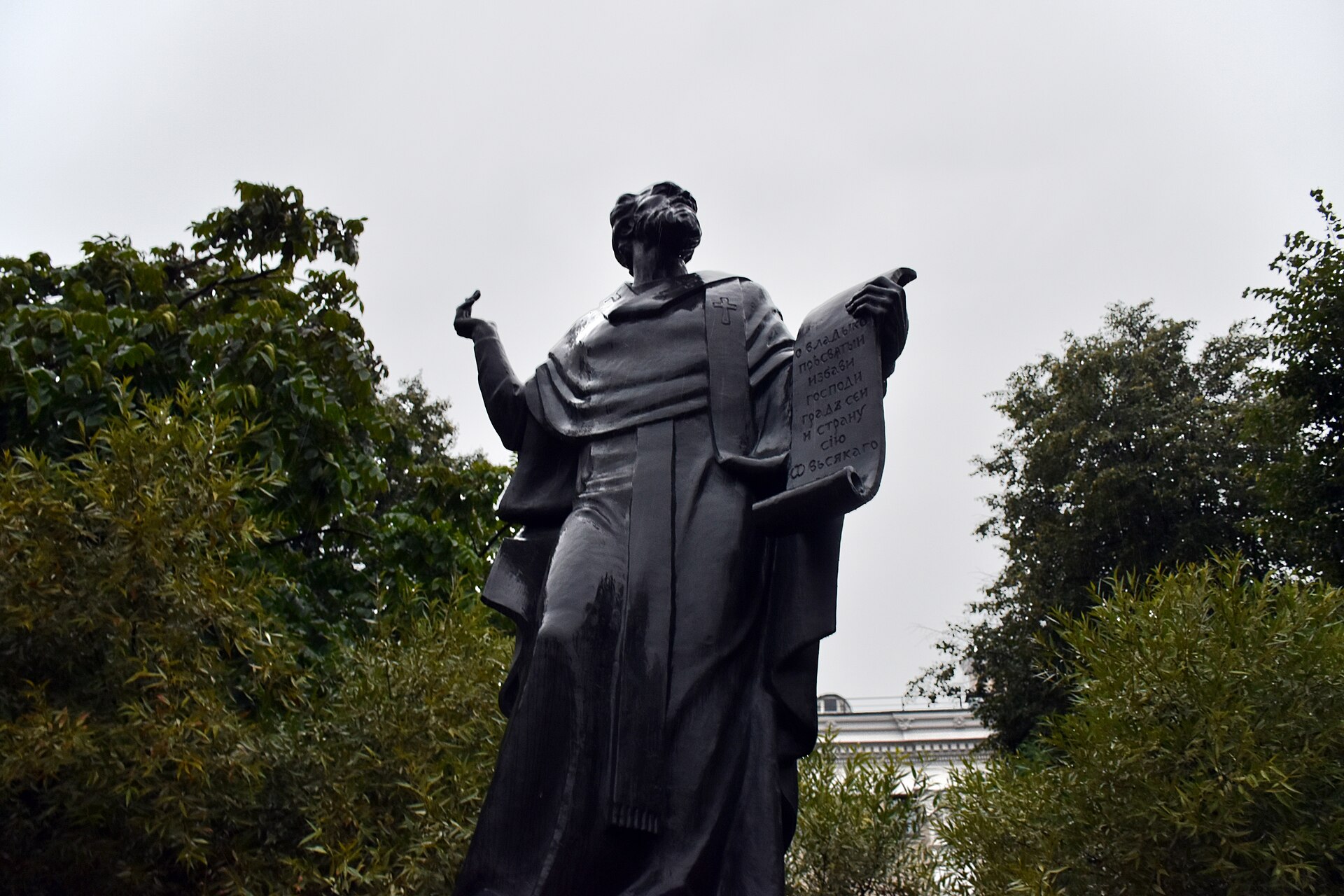
The monument to Kirill of Turov stands in the center of town, just in front of the Saints Cyril and Methodius Cathedral. The statue is modest in size but striking in its simplicity—a full-length figure of the bishop in traditional robes, one hand holding a scroll, the other raised in blessing. The sculptor captured something essential in the face: the quiet intensity of a man who spent his life thinking, writing, and guiding others. There’s no grandeur in the pose, just a sense of steady presence, as if Kirill were still watching over the town he once called home.
Kirill lived in the 12th century, a time when Turov was a thriving center of learning and faith. Born here, he took monastic vows in his youth and later became bishop, earning a reputation as one of the most eloquent and profound thinkers of medieval Rus. His sermons, prayers, and theological writings were widely read, and his nickname—"the Golden-Tongued"—reflected the power of his words. Even now, his works resonate, not just as historical texts but as meditations on faith, morality, and the human condition. For Turov, he was never just a figure from the past; he became a symbol of the town’s spiritual identity, a reminder of its place in the broader story of Orthodox Christianity.
The monument was erected in the late 20th century, a time when Belarus was rediscovering its medieval heritage. Its unveiling wasn’t just about honoring Kirill—it was a way of reclaiming Turov’s significance. For centuries, the town had been overshadowed by larger cities, its history fading into local legend. But the statue helped change that, turning a quiet square into a place of reflection. Today, people come here for different reasons: some to pray, others to sit on the nearby benches and talk, or simply to feel the weight of history in the air.
The small park around the monument is peaceful, with linden trees that bloom in summer and rustle in the autumn wind. From here, you can see the cathedral, its domes rising against the sky. The building itself isn’t ancient—it was constructed much later—but its architecture echoes the Byzantine styles that shaped medieval Rus. Inside, an icon holds a relic of Kirill, drawing pilgrims from across Belarus. The cathedral and the monument together create a kind of dialogue between past and present, a reminder that Turov was once a place where ideas were born and faith was lived.
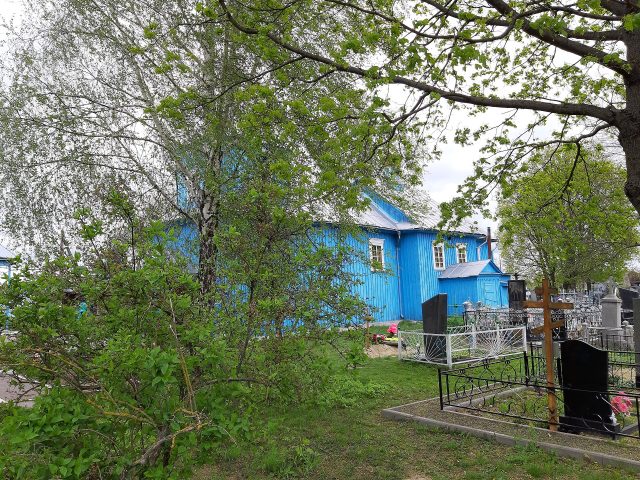
Turov is often called an open-air museum, and it’s easy to see why. The town is full of traces of its long history: the remains of old earthen ramparts, centuries-old cemeteries, and wooden churches that have survived wars and fires. But the monument to Kirill feels different—it’s not just a relic of the past, but a living connection to it. It humanizes history, reminding visitors that behind every great event or architectural marvel, there were people who shaped the culture of their time.
A walk along the Pripyat River is a good way to end a visit to Turov. The river here is wide and slow-moving, its waters reflecting the sky as they flow through the Polesie wetlands. On the opposite bank, meadows stretch into the distance, dotted with villages where life hasn’t changed much in generations. Standing by the water, it’s easy to imagine Kirill walking the same path, looking out at the same landscape, lost in thought. The river, the sky, the quiet—it all feels timeless, as if the centuries between then and now have dissolved.
The monument to Kirill of Turov isn’t just a statue; it’s a focal point for anyone interested in Belarus’s spiritual and cultural roots. It bridges the gap between past and present, showing how certain ideas endure. In a town like Turov, where time seems to stand still, that connection feels especially strong. Here, you don’t just learn about Kirill’s life—you sense the atmosphere that inspired him, the quiet that allowed his thoughts to take shape. And in that quiet, it’s possible to understand why his words still matter.