El Serrat sits where the Pyrenees rise sharply from the earth, a small village tucked into the folds of northern Andorra’s mountains. At around 1,600 meters above sea level, it feels suspended in time, far removed from the pace of the modern world. There are no crowded streets or resort bustle here—just the quiet rhythm of wind through pine branches and the distant chime of cowbells drifting across the slopes. The village seems to exist on its own terms, shaped by the land rather than the demands of tourism.
The tourist center in El Serrat isn’t just a place to pick up a map. Housed in an old stone building that once sheltered shepherds and travelers, it serves as a gateway to the region’s natural and cultural landscape. Inside, you’ll find exhibits on local traditions, mountain life, and the history of the area, but the real value lies in the conversations you might have with those who know these valleys intimately. They can point you toward hidden paths, explain the significance of old customs, or simply share stories of how the land has shaped their lives over generations.
This is a starting point for some of Andorra’s most rewarding hikes. Trails wind outward from the village, leading to high-altitude lakes, waterfalls, and passes where the views stretch endlessly across the peaks. One of the most popular routes takes you to Lake Engolasters, a still, reflective body of water framed by dense forests and sheer cliffs. In summer, hikers pass through with backpacks; in winter, skiers carve their way down snow-covered slopes. Even if you’re not up for a long trek, the area around El Serrat offers plenty to explore—narrow footpaths threading past old farmhouses, pastures dotted with sheep, and small chapels half-hidden in the greenery.
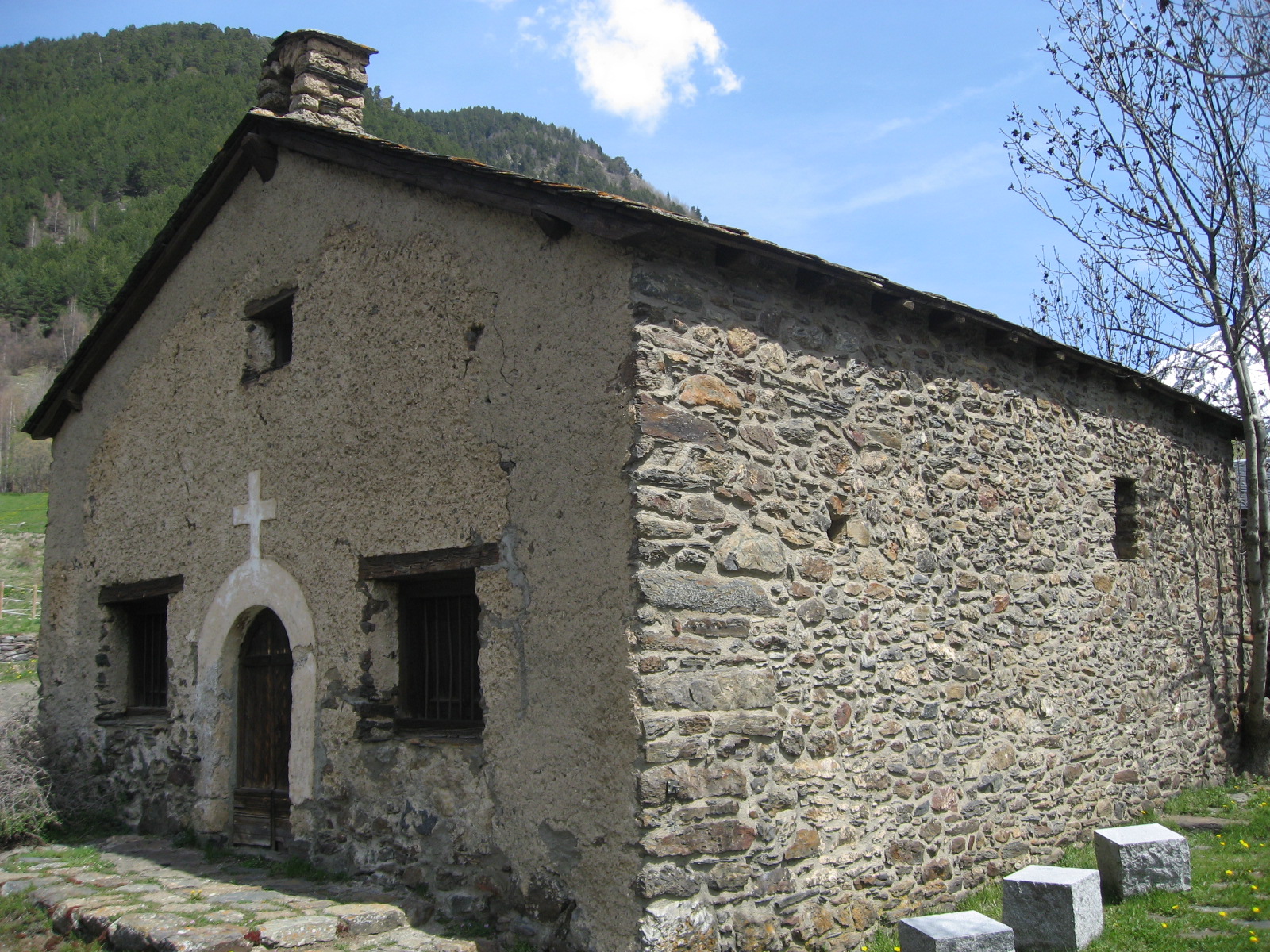
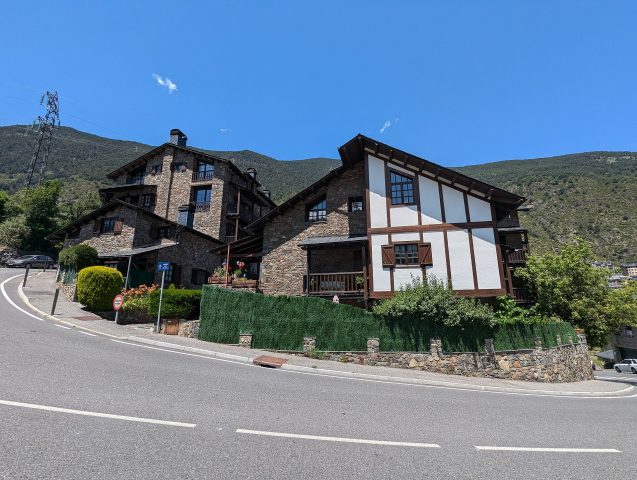
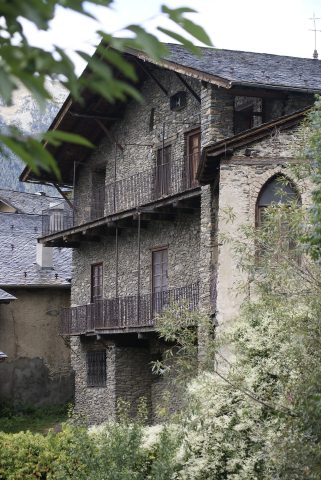
The architecture here tells a story of resilience. Houses were built to withstand the harsh mountain winters, with thick walls of local slate, low-pitched roofs to shed snow, and small windows to keep out the cold. Many buildings have remained unchanged for centuries, and walking through the village feels like stepping back in time. Some of the old farms still hold the tools and belongings of past generations, offering a glimpse into the daily lives of shepherds and farmers. A few have been converted into cozy guesthouses or restaurants where you can try dishes made from local ingredients—simple, hearty meals that have sustained people in these mountains for ages.
Life in El Serrat moves with the seasons. In summer, cattle graze on high pastures, hay is cut and stored, and wild berries are gathered. Winter brings a deep stillness, with only the occasional visitor passing through. The people who live here are mostly farmers and artisans, carrying on traditions that have been part of the Pyrenees for centuries. They’re often happy to show visitors how cheese is made, wool is spun, or how festivals have been celebrated for generations. One of the most lively is the shepherds’ festival, a communal gathering to mark the end of summer and give thanks for the harvest.
This isn’t a place for luxury or entertainment. What El Serrat offers instead is something quieter—a chance to step away from the noise and experience Andorra as it has been for centuries. There are no grand hotels or crowded attractions, just the opportunity to walk, breathe, and take in the landscape at its own pace. The village has a way of making you slow down, look around, and realize that sometimes the most meaningful experiences aren’t about seeing everything, but about simply being present.
If you arrive early in the morning, when mist still clings to the peaks and the air smells of pine and damp earth, you’ll understand why those who know El Serrat return to it again and again. It’s a place where the world feels vast and unhurried, where the mountains seem to hold time in their grasp. Whether you stay for a day or longer, the village leaves an impression of quiet contentment—a sense of having touched something enduring, something that exists beyond the rush of everyday life.