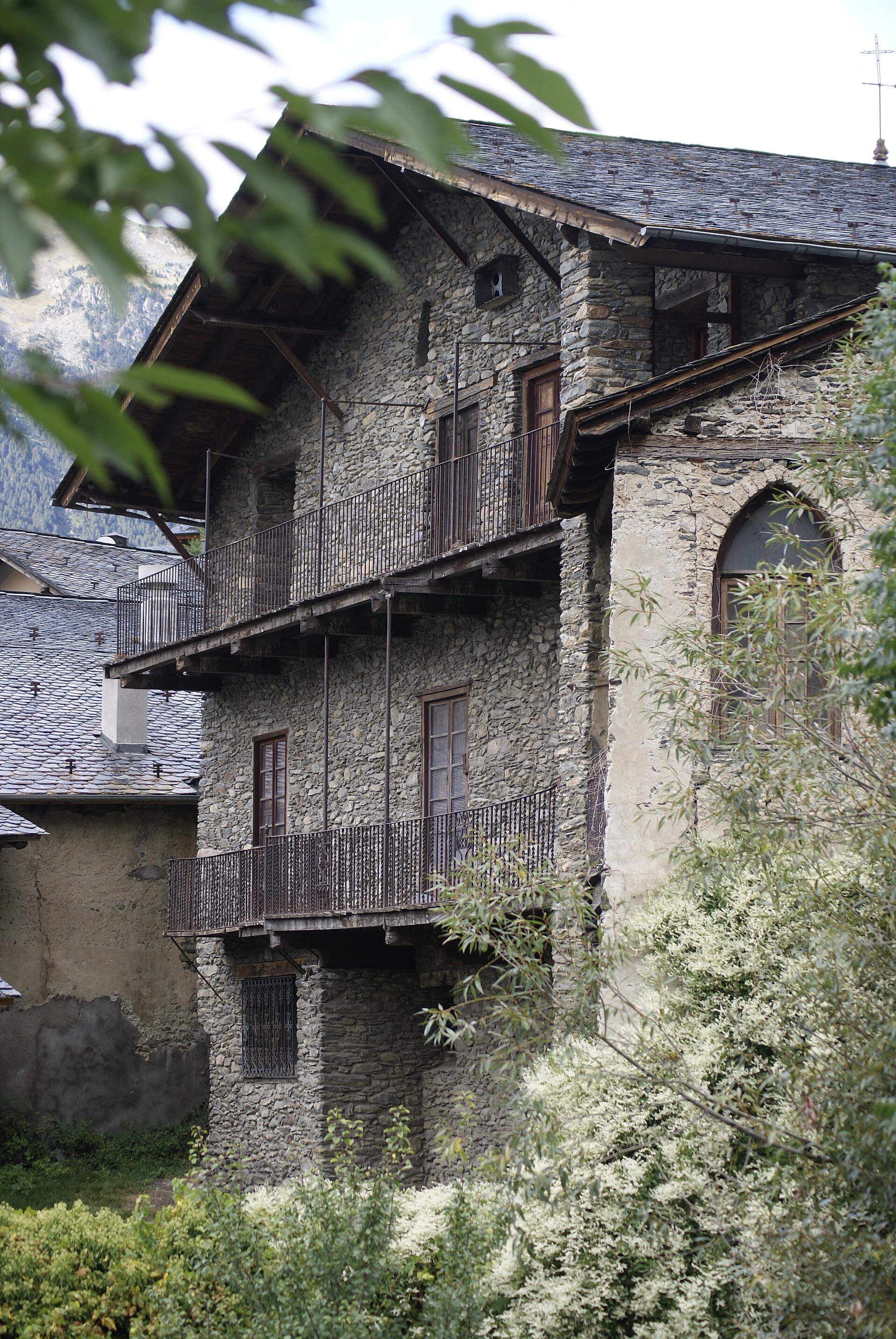
El Serrat is a quiet village tucked into the Pyrenees, where the pace of life slows to match the rhythm of the mountains. The air carries the scent of pine and damp earth, and the only sounds are the distant rush of a stream and the occasional chime of cowbells from grazing herds. It’s here, on the edge of the settlement, that Casa Rossell stands—a house that has witnessed centuries of Andorran history and the rise and fall of one of the country’s most influential families.
Built in the 17th century, Casa Rossell is a sturdy example of Pyrenean mountain architecture, though it bears distinct Andorran touches. The thick stone walls, reinforced with heavy wooden beams, were designed to withstand harsh winters and the occasional bandit raid. Small, iron-barred windows let in just enough light to illuminate the dark wood furniture inside, much of it original to the house. The great hearth, once used for cooking and warmth, still dominates the main room, while tools and household items from the past are scattered throughout, offering a glimpse into daily life centuries ago. The most striking feature is the intricately carved front door, adorned with the Rossell family crest—a mark of their status and authority.
The Rossells were no ordinary family. In medieval Andorra, they were one of the seven ruling houses that shared power with the Bishop of Urgell and the Count of Foix, effectively shaping the country’s political and economic landscape. Their influence extended beyond governance; they were landowners, merchants, and patrons of local culture. Walking through Casa Rossell today, you can still sense that legacy. The house displays documents signed by family members, old maps of Andorra, and personal belongings that tell the story of a dynasty deeply embedded in the nation’s fabric. In one room, portraits of long-dead ancestors watch over visitors, their expressions a silent reminder of the power once wielded within these walls.
What makes Casa Rossell unusual for a museum is its lack of modern embellishments. There are no flashy exhibits or interactive displays—just the house as it was, with its creaking floorboards, low ceilings, and the faint smell of aged wood. The attic, once used for storing winter provisions, now holds little more than dust and the echoes of past voices. The cellar, where livestock were kept, has been repurposed to showcase farming tools and crafts, a nod to the hardships of mountain life. It’s easy to imagine the family gathered around the fire, discussing matters of state or the next season’s harvest, their decisions shaping the fate of a small but resilient country.
The house’s location adds to its charm. Perched on the outskirts of El Serrat, it overlooks a valley framed by jagged peaks. On clear days, the snow-capped summits of the Pyrenees stretch endlessly, a stark reminder of Andorra’s rugged geography. In summer, wildflowers dot the meadows around the house; in winter, the roof disappears beneath a blanket of snow, blending the building into the landscape. The view hasn’t changed much over the centuries, and standing there, it’s hard not to feel a connection to the people who once called this place home.
Visiting Casa Rossell isn’t like touring a typical museum. There’s no scripted narrative, no guided path—just the quiet invitation to step into the past. The house doesn’t explain itself; it lets you piece together its story from the details: the worn stone steps, the faded tapestries, the way the light slants through the small windows in the afternoon. For those curious about Andorra’s history, it’s a rare opportunity to see the country beyond its modern reputation as a ski destination or tax-free shopping hub. Here, the focus is on the people who built the nation, one generation at a time.
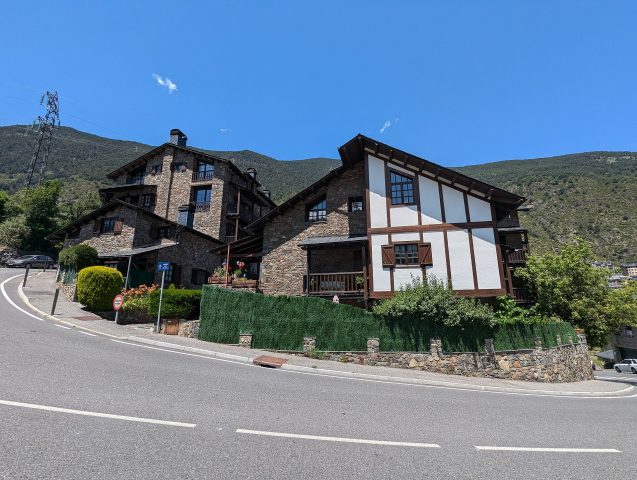
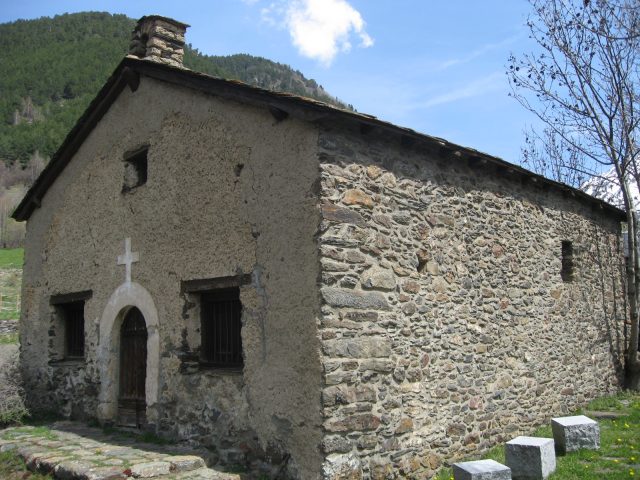
El Serrat itself is a place where time moves differently. The village has no grand attractions, no bustling squares—just a handful of stone houses, a church with a simple bell tower, and the ever-present mountains. It’s the kind of place where visitors come to escape, to walk the trails that wind through the valleys, or to sit by the river and listen to the water. Casa Rossell fits perfectly into this setting, a quiet guardian of the past. It doesn’t demand attention; it simply exists, as it has for centuries, waiting for those who seek it out.
For many, Andorra is a country of contrasts—modern resorts and ancient traditions, luxury boutiques and remote villages. Casa Rossell embodies the latter. It’s a reminder that beneath the glossy surface, there’s a deeper story, one of families who shaped a nation from the ground up. The house doesn’t offer grand revelations, just a sense of continuity, a thread connecting the present to a time when Andorra was little more than a cluster of mountain communities, bound together by necessity and shared history. To walk through its rooms is to step into that history, if only for a moment.