Freedom Square sits at the heart of Zrenjanin, a space where the past isn’t just remembered but still shapes the city’s rhythm. The square is broad and open, framed by buildings from different eras—some ornate, others plain, all bearing the marks of time. Unlike the polished squares of bigger European cities, this one feels lived-in, a place where daily life unfolds without ceremony.
The square dates back to the 18th century, when Zrenjanin was called Großbetschkerek and was part of the Habsburg Monarchy. It began as a trading post, a place where merchants gathered. Over time, it became the town’s administrative and commercial hub, witnessing the rise and fall of empires—the Habsburgs, the Ottomans, the Yugoslavs. Each left traces in the architecture and the way the space was used. The name Freedom Square reflects the struggles and hopes of the 20th century.
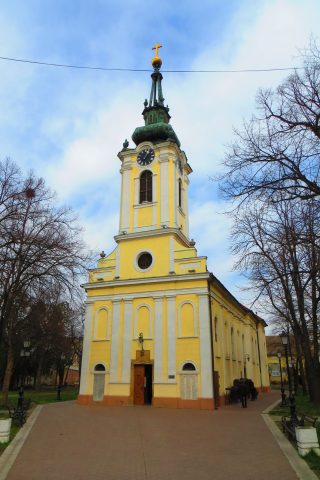
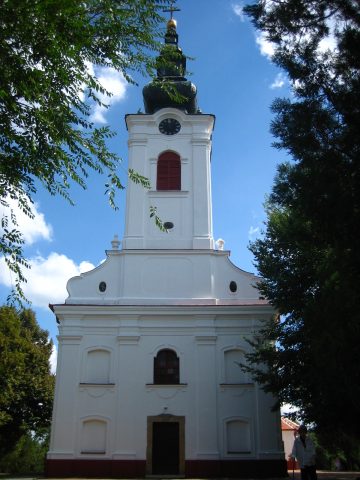
The buildings around the square tell different stories. The Old Town Hall, built in the early 19th century, is neoclassical, with tall columns and a symmetrical facade. It was meant to project Habsburg authority. Nearby, the Catholic Church of St. John of Nepomuk stands out with its Baroque details—white facade, ornate decorations. The contrast between the church and the simpler buildings around it gives the square its character.
Not all the buildings here are grand. Some are modest, repurposed over the years—a former bank, a café with a worn exterior, a bookshop that has seen generations of readers. These buildings give the square its unassuming charm. The pavement is a mix of cobblestones and smoother surfaces, a quiet sign of how the town has changed while holding onto its past.
Freedom Square isn’t just for tourists. It’s where life happens. In the mornings, vendors sell fresh vegetables, cheese, and rakija. The air smells of roasted corn and grilled meat. People talk in Serbian, Hungarian, and Romanian—languages spoken here for centuries. By afternoon, the square quiets down, with only a few people lingering over coffee. In the evening, it fills again with locals chatting, young people strolling, and the occasional street musician.
The square has seen history unfold. In the 19th and 20th centuries, it hosted political rallies, protests, and celebrations. During the Yugoslav Wars, it became a place for people to gather, to find comfort or solidarity. Today, it’s where the town comes together for festivals and events. The Zrenjanin Beer Fest, for example, turns the square into a lively space with music, food, and beer.
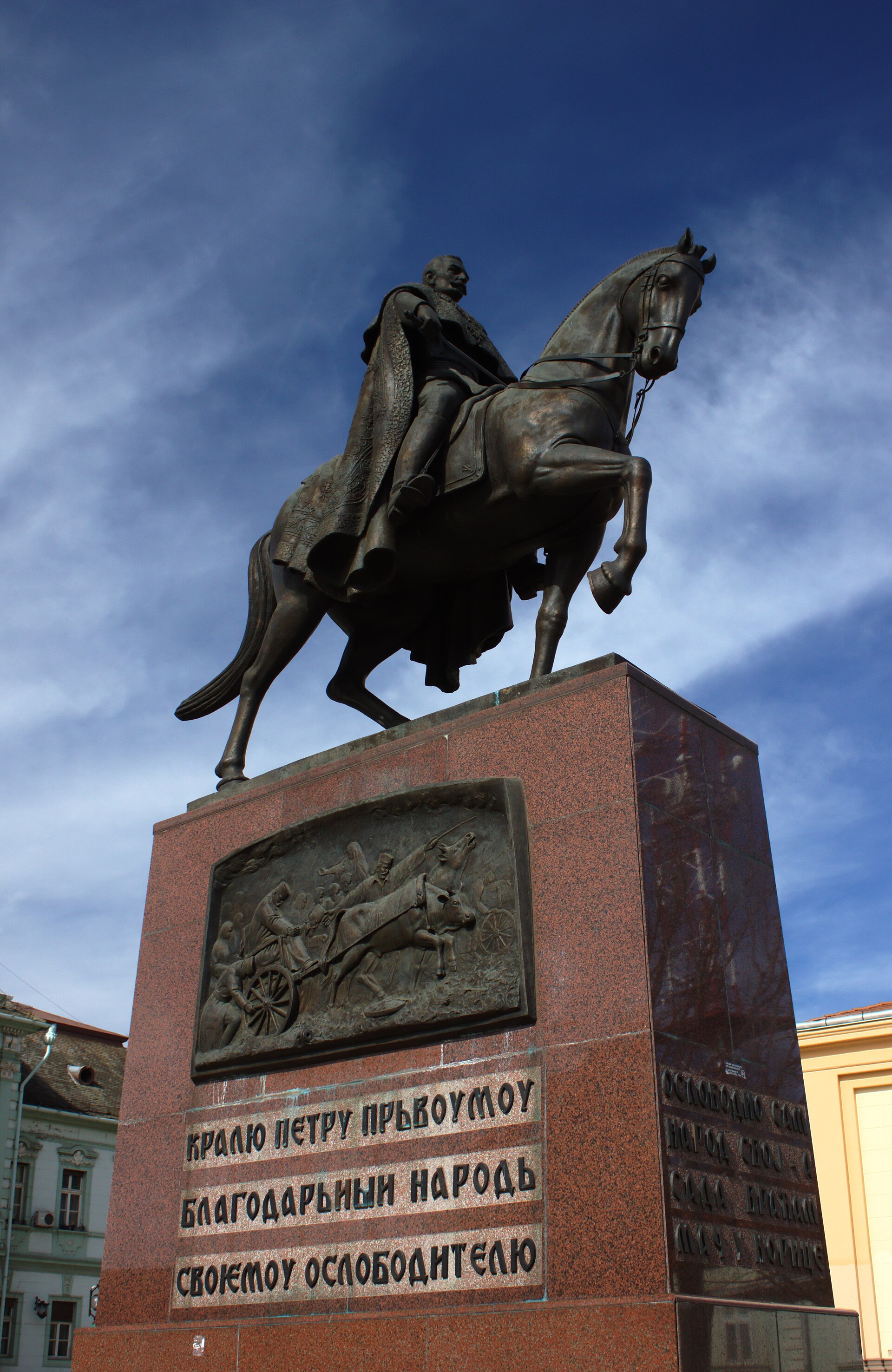
At first glance, Freedom Square might seem ordinary. No grand monuments or flashy landmarks demand attention. Instead, it reveals itself slowly—the way light hits the buildings in the late afternoon, the sound of footsteps on cobblestones, the way the buildings seem to lean in, as if sharing a secret. It’s a space shaped by the people who use it, a reflection of the town’s quiet resilience.
For visitors, the square isn’t a place for quick photos. It’s somewhere to sit, watch, and let the town unfold. Grab a coffee, and you’ll notice the little things—the old men playing chess, the children running around, the way the buildings seem to breathe with the town’s rhythm. These moments make Freedom Square more than just a location; it’s part of Zrenjanin’s identity.