Novi Pazar has always been a place where different worlds meet. The central market hall shows this best.
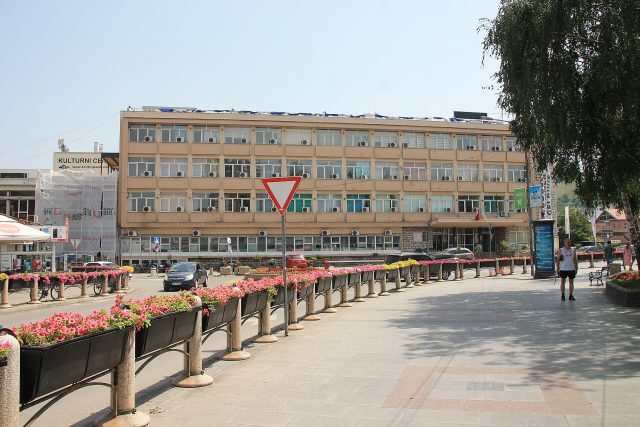
The building went up in the 1950s, when the city was becoming the main commercial hub of the Sandžak region. Its design is simple: a plain front, wide corridors, and open spaces built to handle crowds without feeling tight.
Inside, there are no shiny floors or fancy decorations. The space is practical, made for people who come to buy what they need and leave. But something about it makes you want to stay.
On weekends, villagers from the countryside fill the hall. They come for groceries, but also for conversation and company. On weekdays, the pace is slower, but the rhythm is the same: shopkeepers talking business, friends meeting for coffee, elderly men playing backgammon.
This isn’t a place for souvenirs. The stalls sell everyday things—clothes, shoes, electronics, food—but also goods you won’t find in supermarkets. Spices, dried fruits, cheeses, and honey from nearby villages are sold by vendors who know their products. They’ll tell you where the honey came from or how the cheese is made, often letting you taste before you buy. Sometimes, they’ll give a discount if you take more than one item.
For visitors, the real draw is seeing what matters to the people here. Wool socks, copper coffee pots, and rugs woven in traditional patterns aren’t just items for sale—they’re part of a way of life that has lasted for generations.
The market stands on land that has been a trading spot for centuries. Before this building existed, the site was a bazaar where merchants from across the Ottoman Empire gathered. As the city grew, the market changed, but its core stayed the same. Even now, past the modern shops selling clothes and electronics, you’ll find stalls where time seems to have stopped. Spices are still measured by hand, and recipes passed down through families are used just as they were hundreds of years ago.
There’s no pretense here. No one pressures you to buy, and you won’t see crowds of tourists taking photos. It’s just locals going about their day. The market isn’t a tourist attraction—it’s a piece of everyday life. If you want to understand Novi Pazar beyond the guidebooks, this is where you’ll find it.
The rhythm of the market matches the rhythm of the city. Mornings start slowly, with vendors setting up and early shoppers drifting in. By midday, the hall is full of voices, the air thick with the smell of coffee and spices. As evening comes, the crowds thin, and the market quiets down, ready to start again tomorrow.
This place is deeply human. It’s not just about buying and selling—it’s where connections happen. Strangers become friends over coffee, and neighbors catch up while browsing stalls. The market is a small version of Novi Pazar itself: a city where Serbian, Bosnian, and Turkish mix in the same conversation, sometimes in the same sentence.
If you take the time to look, the market gives you more than goods—it gives you a sense of belonging. Sit on a bench, watch the world go by, and you’ll feel the city’s pulse. Whether you’re here to shop, to people-watch, or just to take it all in, you’ll leave with a clearer idea of what makes Novi Pazar what it is.
It’s not about grand monuments. It’s about the quiet moments that show the soul of a place. In Novi Pazar, those moments are in the everyday.