Altun-Alem Mosque in Novi Pazar is one of those rare places that seems to pause time itself. Built in the first half of the 16th century, it stands at the crossroads of cultures, religions, and eras, not merely as an architectural monument but as a living witness to the region’s layered history. Novi Pazar, tucked away in southwestern Serbia, has long been a city where East met West, and the mosque is a tangible reminder of that legacy.
Commissioned by Isa-Beg Ishaković, one of the most influential Ottoman rulers in the Balkans, the mosque was part of a broader vision. Ishaković founded Novi Pazar in the mid-15th century, transforming it into a thriving trade and administrative hub. Altun-Alem wasn’t just a place of worship; it was a social and civic space where disputes were settled, deals were struck, and travelers found their bearings in the maze of narrow streets. The name, which translates to Golden Banner, has sparked debate among historians. Some believe it refers to a gilded dome that once crowned the structure, while others link it to a legendary warrior whose standard was raised here in victory.
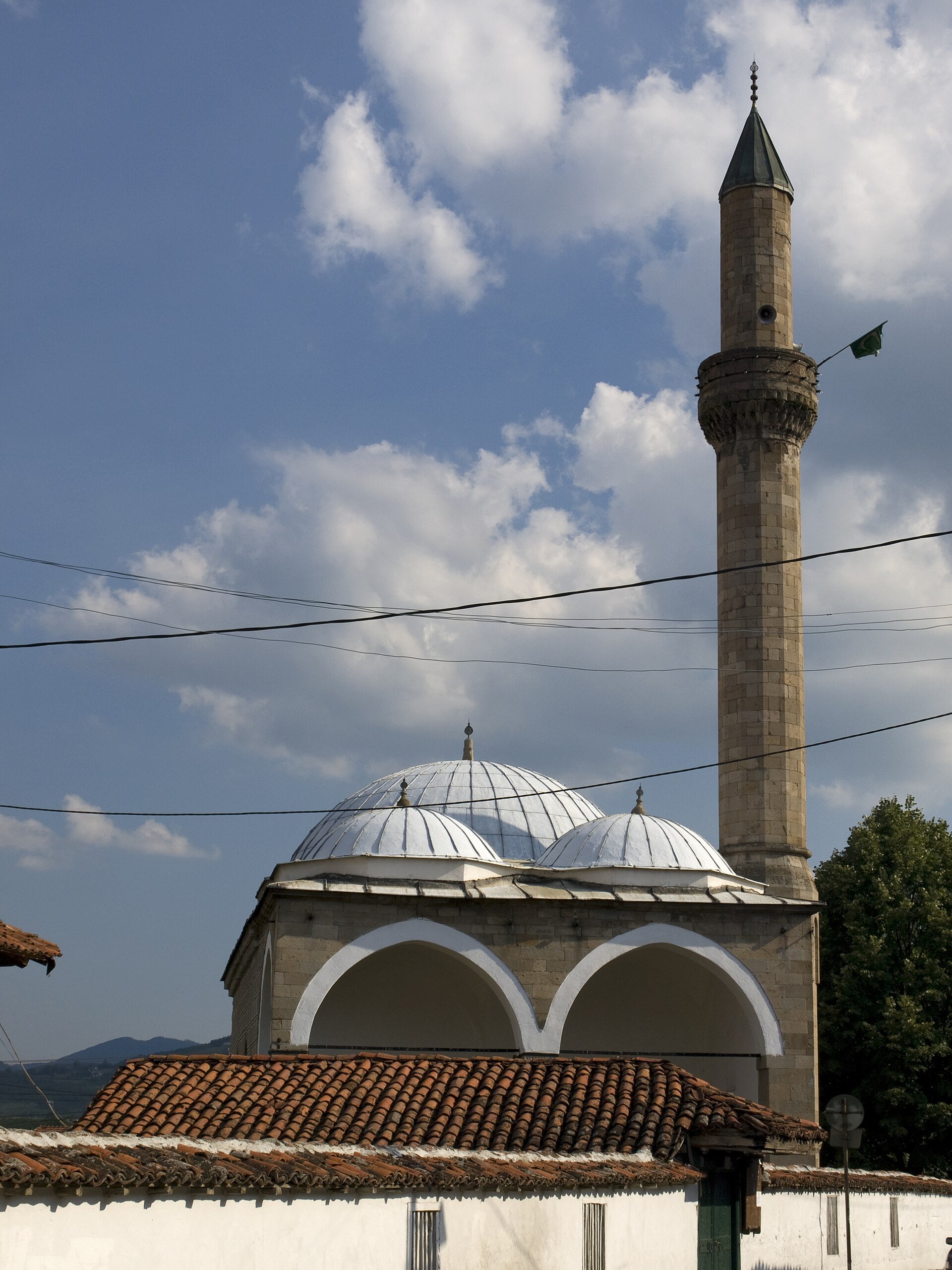
The mosque’s architecture reflects the early Ottoman style, though it carries its own distinct character. Constructed from stone and brick, its proportions feel almost perfect—a restrained rectangular form with a portico supported by four columns and a slender minaret that pierces the skyline. Inside, the space is modest but meticulously designed. Light filters through narrow, lattice-covered windows, casting shifting patterns across the walls. The mihrab, pointing toward Mecca, is adorned with delicate carvings, while the wooden minbar bears the marks of centuries—worn edges and faint cracks that hint at the countless prayers offered from its steps.
In its heyday, the mosque was the heart of a larger complex that included a madrasa, a library, a hammam, and bustling market stalls. Today, only fragments remain, but they offer a glimpse into the vibrant life that once surrounded this place. Novi Pazar was then part of a vast sanjak stretching from Bosnia to Macedonia, and Altun-Alem served as its spiritual anchor. The city was renowned for its craftsmen, particularly metalworkers and weavers, and its markets teemed with goods from across the known world—Persian silk, Indian spices, and European silver.
Over the centuries, Novi Pazar endured wars and shifting borders. In the 19th century, as the Ottoman Empire weakened, the city found itself at the center of regional conflicts. The mosque faced threats of destruction more than once, yet each time, locals restored it, clinging to it as a symbol of their identity. Even during the upheavals of the 20th century, when Yugoslavia fractured, Altun-Alem remained a steadfast presence—a place where people continued to gather, regardless of the turmoil outside.
Today, the mosque welcomes visitors, not just worshippers but those curious about the Balkans’ complex past. Services are still held inside, while in the courtyard, elderly men play backgammon or share stories under the shade of an old plane tree. The atmosphere is unexpectedly serene; the city’s noise fades into the background, leaving space for quiet reflection. The minaret, rising above the terracotta rooftops, stands as a reminder that this place is woven into the broader tapestry of the region’s history.
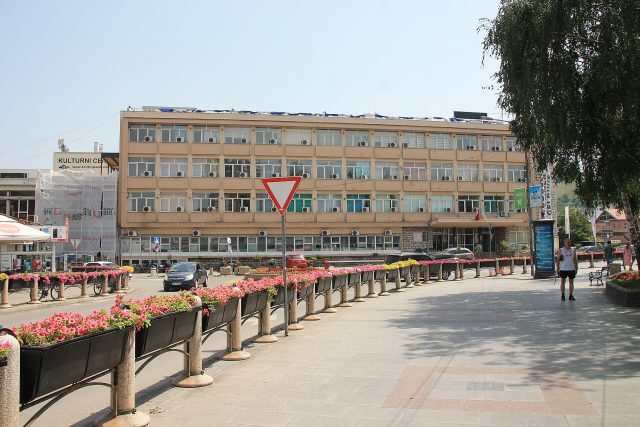
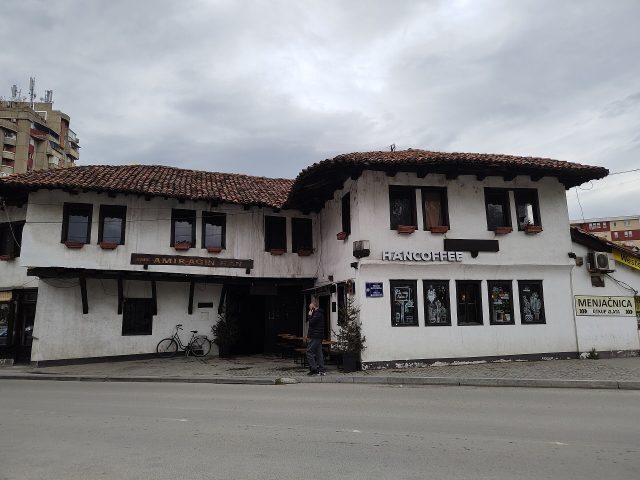
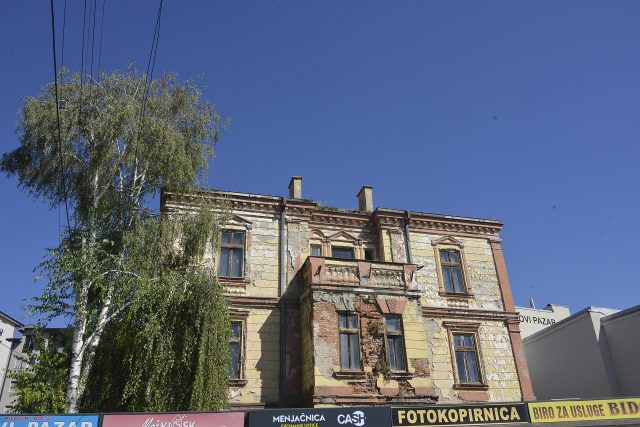
Altun-Alem is more than just a historical monument—it’s a living piece of culture. It has outlasted empires and wars, preserving its essence through the centuries. Within its walls, the echoes of past prayers linger, creating a sense of continuity that makes it feel timeless. Novi Pazar itself is a city of contrasts, where Ottoman-era houses stand beside modern cafés, and mosques coexist with Orthodox churches. In this mosaic, Altun-Alem holds a special place, a testament to the idea that culture transcends boundaries.
If you find yourself in Novi Pazar, the mosque is worth visiting for more than just its beauty. Sit on a bench in the courtyard, listen to the rustle of leaves in the breeze, and try to imagine the lives that have unfolded here over five hundred years. Maybe then you’ll understand why this place still carries the warmth of the hands that built it, prayed within it, and protected it through the ages.