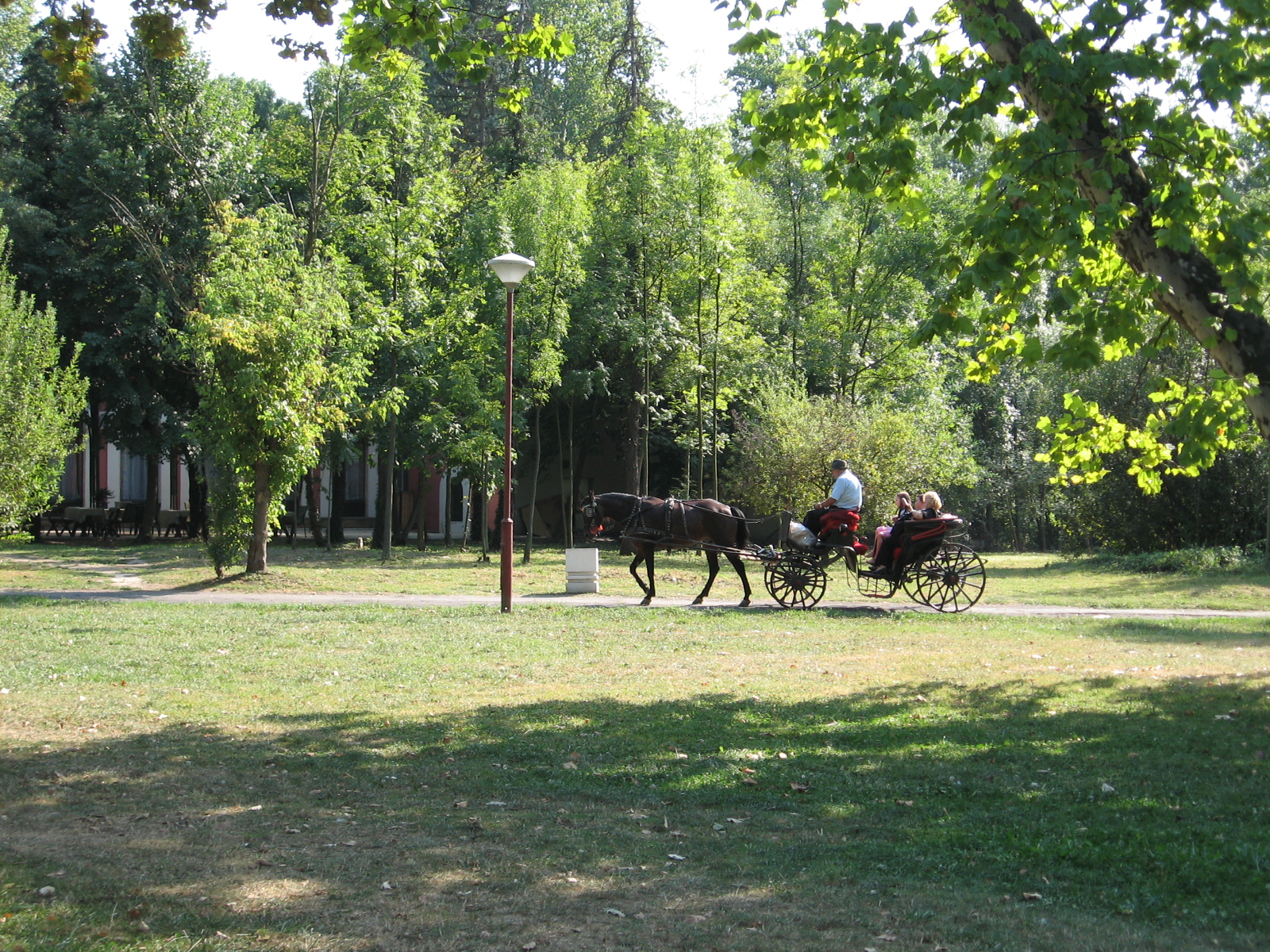
Topčider Forest is one of those rare places in Belgrade where the city’s relentless pace seems to fade into the background, giving way to the quiet rhythm of nature. Tucked away in the Rakovica district on the outskirts of the capital, this sprawling park feels like a forgotten pocket of wilderness, a remnant of what the landscape might have looked like before urban expansion took over. There are no crowds here, no neon signs or bustling cafés—just winding paths, towering trees, and the occasional bench where you can sit and listen to the rustle of leaves or the distant call of birds.
The history of Topčider is deeply rooted in Serbia’s Ottoman past. Its name comes from the Turkish *topçider*, meaning "cannon foundry" or "place where guns are cast," a nod to the workshops that once operated here in the 16th and 17th centuries, supplying weapons for the Ottoman army. By the 19th century, as Belgrade emerged as the capital of an independent Serbian state, Topčider transformed into a retreat for the local elite. Prince Miloš Obrenović, one of Serbia’s most influential rulers of the time, chose this spot for his summer residence. While much of that era’s grandeur has faded, the sense of seclusion and tranquility remains.
Covering around thirty hectares, the forest stands apart from the manicured parks scattered across the city. There are no neatly trimmed lawns or symmetrical avenues here—just a landscape that feels untamed, almost wild. Dense groves of oak, hornbeam, and linden trees alternate with open meadows, where wildflowers bloom in the summer. At the heart of the park flows the small Topčiderka River, once a vital water source for the Ottoman workshops and now a quiet stream that adds to the area’s charm. Along its banks, overgrown ponds provide a habitat for ducks and other waterfowl, their presence adding a touch of life to the serene surroundings.
The most striking remnant of Topčider’s past is the palace of Prince Miloš Obrenović, built between 1831 and 1834. Though modest in size, the building is a graceful example of neoclassical architecture with subtle Balkan influences. Surrounding the palace is an old park filled with ancient trees, including a massive plane tree said to have been planted by the prince himself. Nearby stands the small Church of Saints Peter and Paul, constructed around the same time. Its unassuming facade and simple interior offer a glimpse into what Serbian churches looked like before the grand renovations of the 19th and 20th centuries.
Beyond its historical significance, Topčider has long been a cultural refuge. Over the years, writers, artists, and politicians have sought inspiration or solitude among its trees. In the early 20th century, the park hosted literary gatherings, and by mid-century, it had become a favorite haunt of Belgrade’s intellectuals. Today, the atmosphere is just as relaxed—students read on benches, families stroll along the paths, and elderly locals play chess in the shade. While small concerts and festivals occasionally take place in the summer, the park retains its quiet, unhurried character.
Despite its proximity to the city center, Topčider feels like a world apart. There’s none of the hustle typical of tourist spots, and even on weekends, the park rarely feels crowded. Locals come here to walk their dogs, ride bikes, or simply escape the noise of the city. In winter, the forest takes on a particularly peaceful air, with snow-covered paths and bare branches creating intricate patterns against the gray sky. Come spring, Topčider bursts back to life—leaves unfurl, chestnut trees bloom, and the air fills with the scent of fresh greenery.
For those curious about the park’s past, the small museum inside Prince Miloš’s palace offers a glimpse into 19th-century Serbian aristocratic life. The collection includes household items, documents, and photographs that trace Topčider’s evolution from an Ottoman industrial site to the tranquil park it is today. The exhibits are modest but evocative, painting a picture of how this place has changed over the centuries. Nearby, a café provides a quiet spot to enjoy a coffee or a light meal without disturbing the forest’s calm.
Topčider isn’t just another green space within the city—it’s a place with a distinct identity. There are no flashy attractions or pushy vendors here, just the chance to step into a slower, more contemplative rhythm. Walking its paths, you’re reminded that Belgrade isn’t only about busy streets and lively squares; it’s also home to quiet corners where time seems to stand still. That might be why locals cherish this place and protect it from overdevelopment—it’s a rare piece of the city that still feels like a retreat.