Rakovica Monastery sits on the outskirts of Belgrade, where the city’s pace slows. Trees and winding paths surround it, creating distance from the capital’s noise while keeping it tied to its past. No crowds gather here, no tours hurry through—just leaves rustling, a bell tolling now and then, and the feeling that time moves differently.
The monastery was founded in the 14th century, when Serbia’s medieval kingdom was fracturing under internal strife and Ottoman expansion. Monasteries like Rakovica became more than spiritual refuges. They preserved manuscripts, icons, and traditions that might have been lost. Legend says King Dragutin, one of the last Nemanjić rulers, established it during the decline of Serbia’s medieval golden age. In an era of shifting borders, such places stood as witnesses to cultural survival.
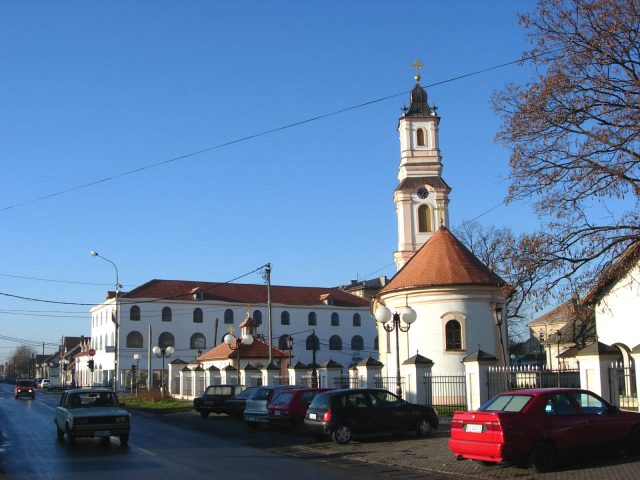
The main church, dedicated to the Archangels Michael and Gabriel, follows medieval Serbian design. Thick stone walls, narrow windows, and a single dome define it. Inside, frescoes show signs of age but remain striking. Unlike the murals in Studenica or Žiča, these paintings use earthy tones to depict saints and biblical scenes. They were once a language of faith, not just decoration.
The grounds stretch into a small park. Wild grasses, tall trees, and winding paths lead to secluded benches. In summer, linden blossoms scent the air. In autumn, golden leaves cover the ground. It’s a place to sit, listen to birds, or catch the faint sound of a service from the church.
Rakovica isn’t as old as some Serbian monasteries, nor as famous as Ostrog or Mileševa. That’s why it feels different. There’s no museum-like atmosphere—just a living place. Monks here follow rhythms set centuries ago: prayer, gardening, transcribing texts, and welcoming pilgrims. For those seeking stillness, it offers peace away from modern haste.
The monastery also serves as a place of remembrance. Its necropolis holds graves of notable Serbs, including Vuk Karadžić, the linguist who reformed the Serbian language. His tomb is simple, but standing among the headstones, you sense connections across eras—from medieval kings to modern intellectuals.
Rakovica is a short distance from central Belgrade, reachable by public transport or car. But don’t rush. Walk the grounds, visit the church, or sit in the park. Weekdays are quietest. If you’re lucky, you might hear the monks chanting during evening prayers. Winter changes the monastery: snow covers the rooftops, and candlelight flickers through the church windows.
This isn’t a place for every traveler’s list. No grand cathedrals, no gilded domes, no treasure-filled reliquaries. That’s why Rakovica feels real. Nothing here is staged for visitors. History continues, like a river flowing underground. If you want something quiet and unhurried in Belgrade, this is where you might come.