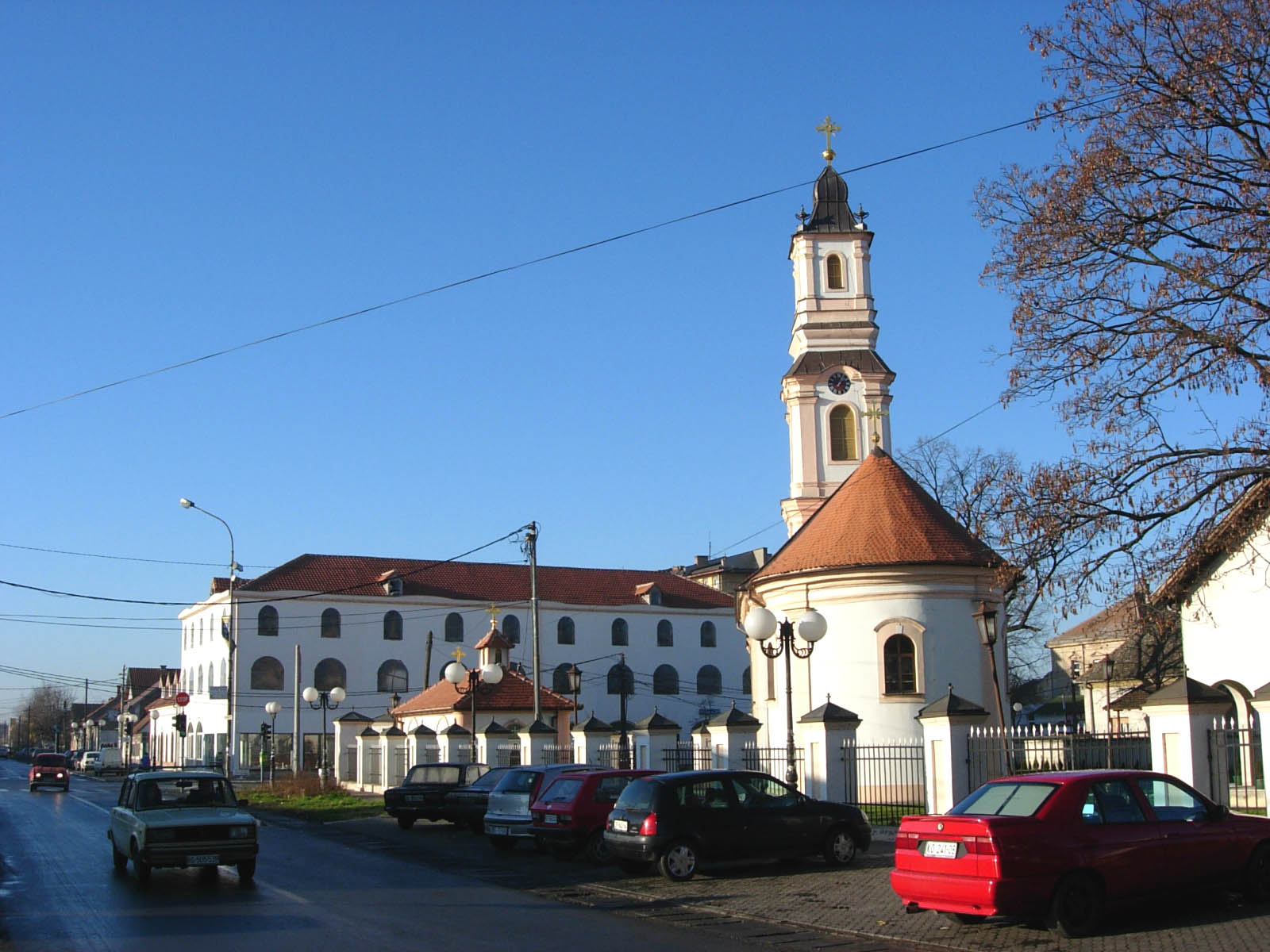
Saint Archangel Gabriel Church in Rakovica is one of those quiet places where time seems to pause, leaving behind the faint echoes of a slower, older world. Tucked away on the outskirts of Belgrade, where the city’s restless energy gradually gives way to the calm of the countryside, it stands as a gentle reminder of what once was. There are no crowds here, no tour buses or souvenir stands—just an unassuming building surrounded by rolling green hills, where the past feels close enough to touch.
Built in the late nineteenth century, the church emerged during a pivotal moment in Serbia’s history. The country had just reclaimed its independence after centuries of Ottoman rule, and this transition is reflected in the architecture. The design blends traditional Orthodox elements with subtle European influences of the era. Its whitewashed walls, terracotta roof, and understated yet striking facade make it instantly recognizable among Serbia’s many churches. Inside, the frescoes and iconostasis remain largely intact, though the passage of time has softened their colors and left its mark on the woodwork.
The twentieth century brought change to Rakovica as it was absorbed into Belgrade, and the neighborhood around the church transformed. Modern apartment blocks rose nearby, but the church itself remained a quiet constant, a small sanctuary preserving the memory of the land as it once was. For locals, it’s more than just a place of worship—it’s where baptisms, weddings, and holidays are celebrated, where traditions are kept alive. Many who attend services here do so not out of habit, but because the church offers something rare in a fast-moving world: a sense of continuity, a connection to something enduring.
Saint Gabriel, the archangel to whom the church is dedicated, holds a special place in Orthodox tradition. Known as the messenger of divine will, he is often seen as a figure of protection and hope. This makes the church a meaningful destination for those seeking solace or reflection. Inside, the dim light of candles flickers against the walls, mingling with the scent of incense and wax. The icons, painted on wood, gaze down from above, their expressions serene and timeless. The atmosphere is one of stillness, where the outside world feels distant and the hours seem to stretch just a little longer.
Rakovica itself is a far cry from the bustling heart of Belgrade. There are no grand boulevards or world-famous landmarks here, just narrow streets lined with older homes and a pace of life that moves at its own rhythm. The church fits seamlessly into this landscape, as if it has always belonged. In summer, the trees around it burst into bloom, while in winter, snow settles on its roof, giving the building a quiet, lived-in warmth. It’s the kind of place that doesn’t demand attention but rewards those who take the time to notice it.
Visiting the church isn’t about ticking off another sight or snapping the perfect photo. It’s about stepping into a space where the noise of modern life fades into the background. You can linger by the entrance, listening to the birds or the distant hum of the city, and if you’re lucky, you might arrive during a service. The sound of the choir, the glow of the candles, the murmur of prayers—it all comes together in a way that feels both intimate and timeless. For those curious about Serbia’s history, the church offers another layer to the country’s story, one where the past and present are so closely intertwined that they become almost indistinguishable.
In recent decades, Rakovica has changed. New buildings have sprung up, roads have been widened, and the neighborhood has grown. Yet the church remains unchanged, a small but steadfast symbol of what endures. That might be why it draws not just the faithful, but also those who simply want to feel the weight of history. Standing inside, it’s easy to imagine the people who once prayed beneath these same arches, their lives shaped by the same walls. Some things, it seems, are beyond the reach of time.