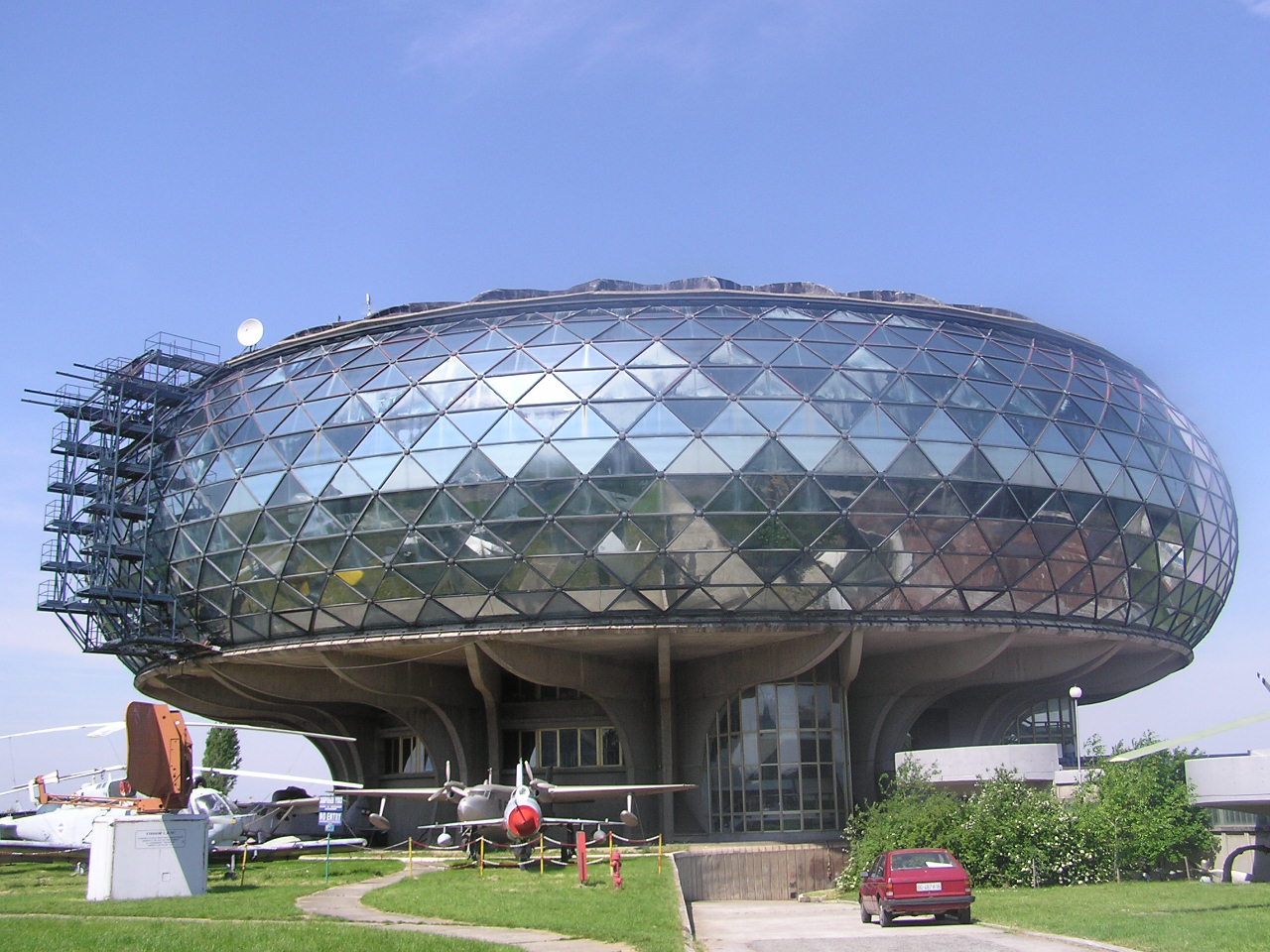
The Aviation Museum in Belgrade is one of those rare places where history isn’t just displayed—it lingers in the air, almost tangible. Tucked away on the outskirts of the city, near Nikola Tesla International Airport, the museum occupies a striking glass-and-concrete structure that resembles a vast hangar poised for takeoff. The architecture itself is worth noticing: light, airy, and expansive, with high ceilings and large windows flooding the space with natural light. There’s a sense of openness here, as if the building itself is part of the story it tells. Unlike the cramped halls of many urban museums, this place feels unhurried, the silence occasionally broken by the distant roar of a passing aircraft—a reminder that aviation is still very much alive.
The museum’s collection spans over a century of flight, and it’s far more than just a lineup of old planes. Many of these aircraft were part of real events, from the First World War to conflicts in the late 20th century. Some are legendary, others rare, and a few are so unique they’re hard to find anywhere else. A Soviet MiG-21 stands on the outdoor display, its sleek frame weathered by time, while an American F-84 Thunderjet—once part of Yugoslavia’s air force—hints at the country’s Cold War-era alliances. Each plane here carries its own story, whether it’s of combat missions, training flights, or rescue operations. They’re not just machines; they’re witnesses to history.
A significant portion of the collection is dedicated to World War II, with aircraft that once clashed in the skies over Yugoslavia. The German Messerschmitt Bf 109 and the British Hawker Hurricane stand side by side, their faded paint and battle scars telling silent stories of dogfights and survival. These planes serve as a stark reminder that aviation has always been about more than just progress—it’s also about war, loss, and the human cost of conflict. Nearby, civilian aircraft offer a counterpoint: postal planes, passenger liners, and sport models that show how flight transformed everyday life. Together, they paint a picture of how aviation evolved from fragile early attempts to the supersonic speeds of today.
But the museum isn’t just about aircraft. Inside, you’ll find engines, instruments, pilot uniforms, photographs, and documents that fill in the gaps. The collection of flight gear is particularly fascinating, from the leather helmets and goggles of early aviators to the high-tech suits of modern pilots. There are scale models of airfields, miniature replicas of famous planes, and even personal items belonging to legendary pilots. These details help illustrate how the profession of flying has changed—from the romanticism of the early 20th century to the precision and technology of today.
The museum’s own history is worth noting. It was founded in 1957, a time when Yugoslavia was rapidly developing its aviation industry and wanted to preserve its legacy. The first exhibits were pieced together from abandoned airfields, salvaged wrecks, and donations from other countries. Today, the collection includes over two hundred aircraft, making it one of the largest in Europe. More than just a repository of the past, the museum shows how aviation shaped Yugoslavia’s identity, from its military ambitions to its role in global aviation history.
What visitors often remember most is the atmosphere. There’s no sterile, academic feel here—just a sense of quiet reverence for the machines and the stories they carry. The outdoor display lets you walk right up to the planes, examine their details, and even peer into some of the cockpits. On a sunny day, the polished fuselages gleam, almost as if they’re ready to take off at any moment. Inside, the spacious halls and straightforward informational plaques make the exhibits accessible, even to those who know little about aviation. There’s no jargon, no pretension—just the machines and the history they represent.
This isn’t just a museum for aviation enthusiasts. It’s a place where history buffs, curious travelers, and even families can spend a few hours immersed in something different. Here, you can trace the evolution of flight, from the earliest rickety biplanes to the sleek jets of the modern era. You can stand next to aircraft that once changed the course of wars or carried passengers across continents. And in the quiet moments between the exhibits, you might just hear the faint echo of engines long silenced—a reminder of how far we’ve come, and how much these machines once meant to the people who flew them.