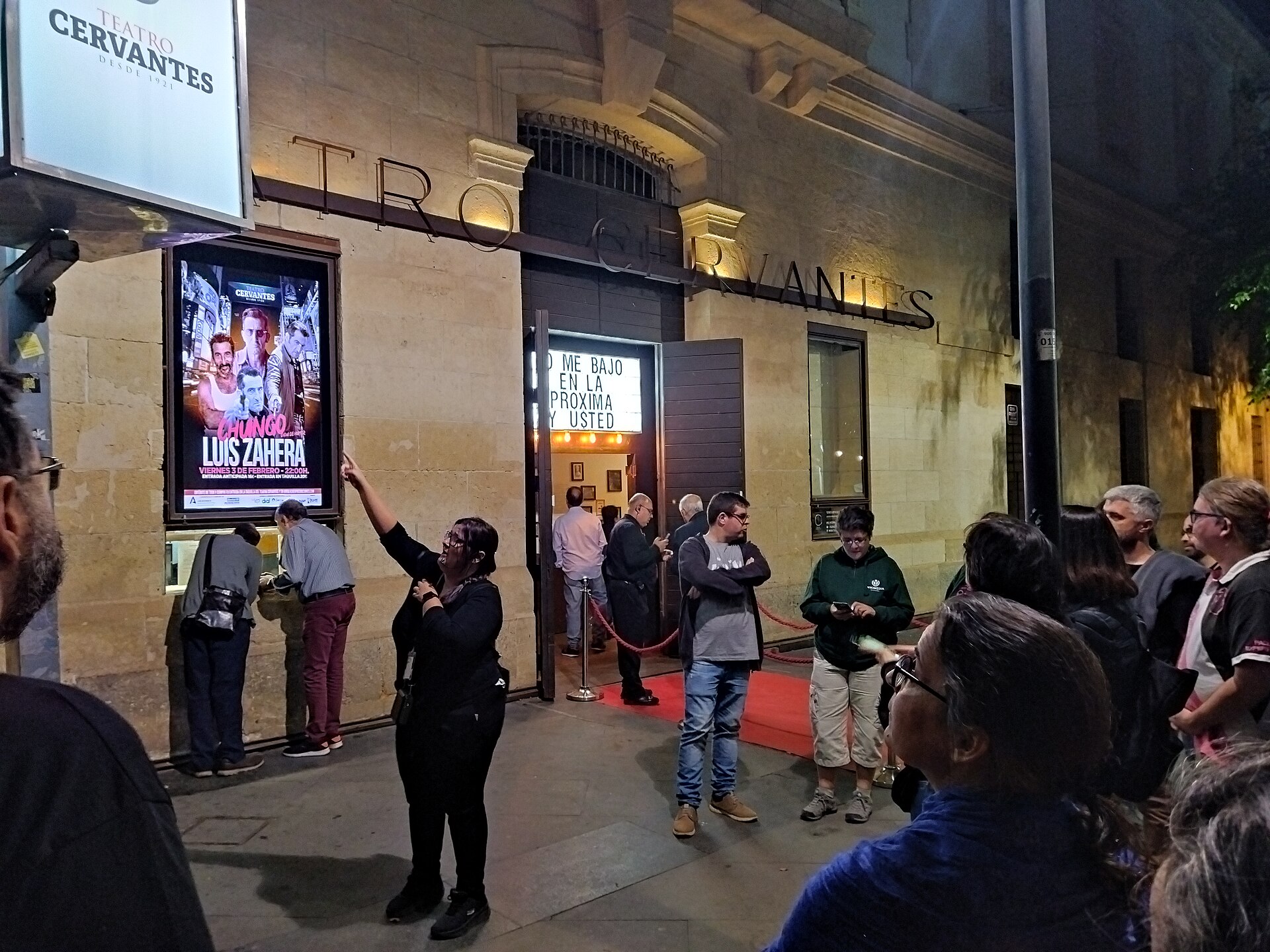
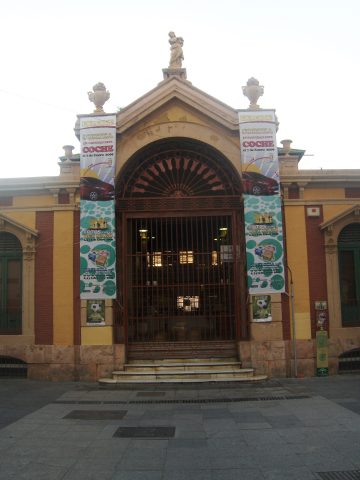
The Cervantes Theatre in Almería is one of those rare places that feels suspended in time, as if the last century never quite let go. Built in the early 1900s, it wasn’t just another building—it became a living symbol of the city’s cultural heartbeat, where art and everyday life intersected in the most natural way. Today, it still hums with activity, hosting plays, concerts, and festivals, but its walls hold far more than just the echoes of recent performances. They carry the weight of a century’s worth of stories, whispered conversations, and the quiet rustle of programs being unfolded in the dark.
The architecture alone tells a story, one written in stone, tile, and intricate plasterwork. The theatre is a fine example of Neo-Mudéjar style, which flourished in Spain at the turn of the 20th century, blending Islamic influences with modern European design. The façade is a delicate balance of arched windows, geometric ceramic tiles, and decorative motifs that nod to the region’s Moorish past. Inside, the space unfolds with the kind of grandeur you’d expect from a classic theatre: a sweeping auditorium with tiered balconies, a ceiling adorned with ornate details, and a stage large enough to accommodate even the most ambitious productions. You don’t need to be a theatre lover to appreciate the craftsmanship here—just stepping inside feels like entering a different era.
Almería was a city on the rise when the Cervantes Theatre was conceived. The early 1900s brought economic prosperity, and the local bourgeoisie wanted a cultural space that could rival those in larger cities. The project was entrusted to architect Enrique López Rull, who had already made a name for himself in Andalusia. Construction wrapped up in 1921, and from that moment on, the theatre became a cornerstone of Almería’s social and artistic life. Famous actors graced its stage, orchestras filled the hall with music, and during intermissions, the foyer buzzed with the kind of lively chatter that only comes from a room full of people who truly care about what they’re seeing.
Like many historic buildings, the Cervantes Theatre has had its share of hard times. By the mid-20th century, it had fallen into disrepair, a fate shared by many cultural landmarks in Spain during that period. For decades, it stood neglected, its once-vibrant interior fading, its stage gathering dust. But in the 1990s, a careful restoration brought it back to life, stripping away the years of decay to reveal the beauty beneath. It may not have the same scale or prestige it once did, but the soul of the place remains intact—warm, a little nostalgic, and unmistakably alive.
The theatre isn’t just for performances. It’s a cultural hub in the truest sense, hosting exhibitions, lectures, and even film screenings. In the summer, when Almería’s heat can be relentless, the cool, shaded interior offers a welcome escape. If you’re lucky, you might stumble upon a small display in the foyer—a collection of old photographs, playbills, or costumes that offer a glimpse into the theatre’s past. These fragments of history feel like whispers from another time, a reminder that the building has seen generations come and go.
Almería is a city where the old and the new coexist at every turn, and the Cervantes Theatre is one of the best examples of that balance. It doesn’t try to be trendy or cutting-edge; it simply exists, a quiet testament to the idea that art isn’t just about premieres and big names. It’s about the fabric of daily life, the way a community gathers, and the shared experience of sitting in the dark, watching something unfold on stage. You could spend an evening here watching a play, or you could just linger in a nearby café, watching locals hurry inside for the next show.
This isn’t a museum, nor is it just another building. It’s a place where time moves differently, where every corner holds a memory, and every performance becomes part of a larger story. If you find yourself in Almería, don’t rush past it. Step inside, listen to the hush of the auditorium before the lights dim, breathe in the scent of aged wood and fabric—and you’ll understand why this place means so much to the people who call this city home.