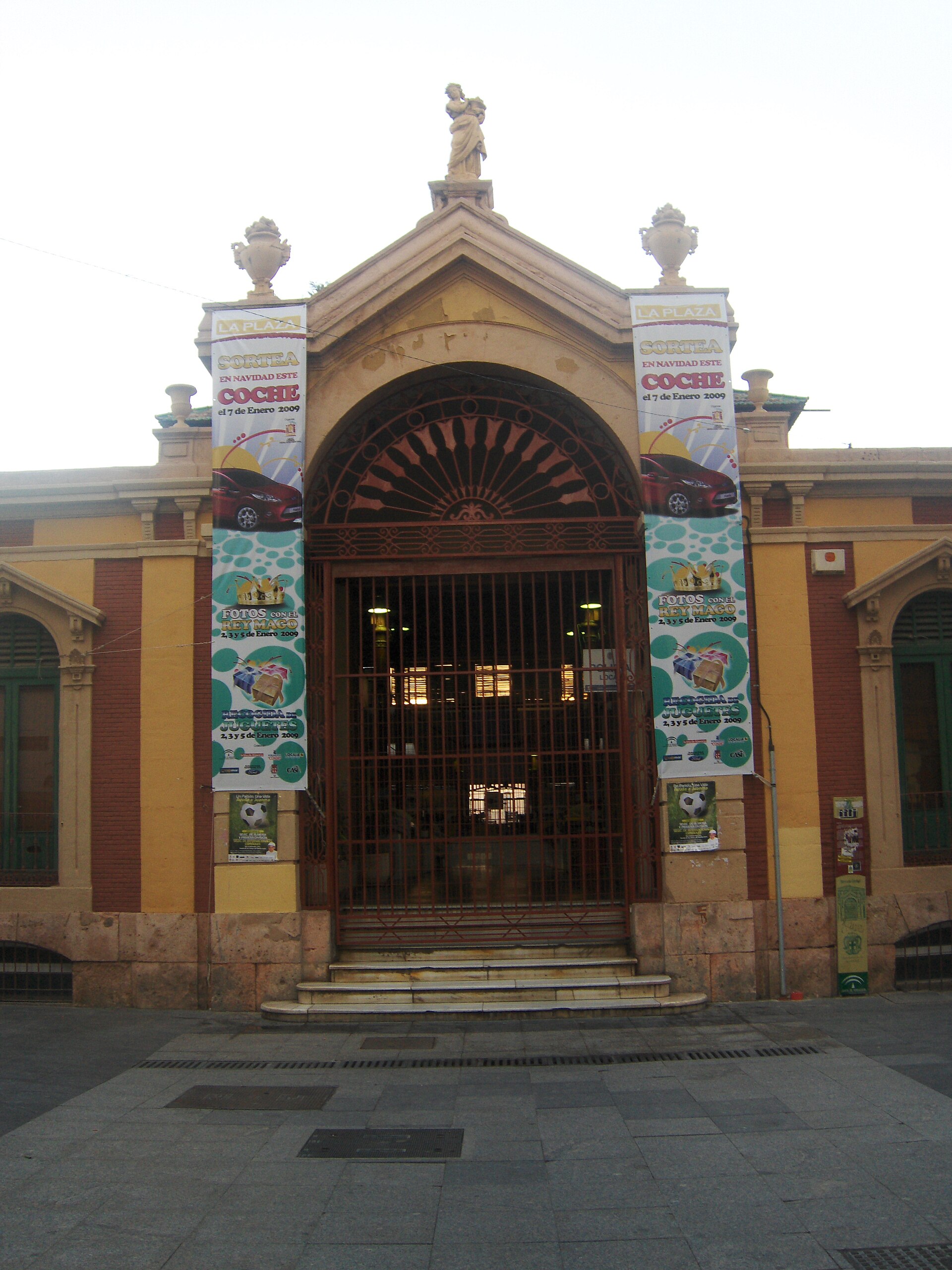
Almería’s Mercado Central isn’t just a place to buy groceries—it’s the city’s beating heart, where daily life unfolds in all its unfiltered, unhurried rhythm. Built in the early 1900s, the market has become one of those rare spaces where time seems to slow, preserving the essence of old Spain. There’s no rush here, no sterile efficiency of supermarkets. Instead, there’s the easy back-and-forth between vendors and shoppers, the chorus of voices rising and falling, the mingling scents of fresh fish, spices, and just-baked bread. It’s not a museum, nor is it just a shop; it exists in that in-between space where history brushes against the present.
The building itself is a quiet marvel. Designed in a Modernist style with subtle Neo-Moorish touches, it reflects an era when Almería thrived on mining and trade. High ceilings with ironwork, large windows filtering soft light, and wide aisles between stalls create an airy, uncluttered feel. Inside, there’s nothing superfluous—just counters, scales, piles of produce, and the low hum of conversation that swells and fades like a tide. Even in the heat of midday, when the rest of the city slows for siesta, the market remains alive, though never crowded in a way that feels overwhelming.
What draws people here, of course, is the food. Almería is one of Spain’s agricultural powerhouses, and the market is where that bounty is on full display. In season, you’ll find tomatoes so ripe they dissolve on the tongue, peppers in every shade of red and gold, eggplants and zucchini still warm from the sun, and watermelons so sweet they taste like summer itself. Local farmers arrive at dawn, and by noon, the best picks are already gone—regulars know to come early. Then there are the olives: green, black, stuffed with anchovies or lemon, marinated in herbs. Dozens of varieties line the stalls, each vendor insisting theirs are the finest, and it’s hard to argue when you taste them.
But the market isn’t just about produce. In a separate hall, the meat and fish stalls take center stage. Fishermen from nearby ports deliver their catch before sunrise, and by opening time, the counters groan under the weight of the day’s haul. You’ll find everything from familiar shrimp and mussels to more exotic offerings—sea urchins, cuttlefish, or the delicate red mullet that’s a local favorite. Vendors are happy to explain how to cook what you’re buying, even sharing a quick recipe for a classic Andalusian dish. The meat section is just as impressive: jamón, chorizo, morcilla—all fresh, fragrant, and ready to be taken home.
Spices hold a special place here, too. Andalusia has always favored bold flavors, and the market’s spice stalls reflect that. Mounds of paprika, saffron, cumin, and turmeric sit alongside pre-mixed blends for paella, marinades, and sauces. Some come from other parts of Spain or even abroad, but there are local specialties, too, like the pimiento peppers from Vélez-Blanco, considered some of the best in the country. Vendors often offer samples, and it’s worth saying yes—you might discover a new twist on a dish you thought you knew.
If you’re hungry, the market has you covered. Small eateries tucked between the stalls serve up simple, hearty food: tapas, fried fish, meat stews, salads made with whatever’s freshest that day. There’s no pretension here, just good ingredients prepared with care. Locals stop by for a quick lunch—a bowl of gazpacho, a plate of migas (a traditional dish of bread, garlic, and meat)—and it’s one of the best ways for visitors to taste authentic Andalusian food without the tourist markup.
What makes the market truly special, though, is its atmosphere. There’s no room for indifference here. Vendors banter, laugh, complain about the weather or prices; shoppers haggle, swap news, recommend what’s best that day. It’s a place where everyone feels like part of something larger—a small community with its own rhythms and rules. Even if you don’t buy anything, it’s worth lingering, listening, watching how people move, how they choose their food. This is the real Almería, not the one on postcards, but the one that goes about its daily business with quiet confidence.
The market is busiest in the morning, winding down by midday before reopening in the late afternoon, though the energy is never quite the same. If you want the full experience, arrive early, when the stalls are still brimming, the air thick with the scent of herbs and citrus, and the vendors are at their most talkative. If you’re lucky, you might catch the moment when fishermen unload their catch or farmers bring in the day’s harvest. That’s when the market is at its liveliest, and that’s when it’s best seen.
Almería is often overlooked by tourists, who flock instead to the more famous resorts of the Costa del Sol. But this is where you’ll find the Spain that exists beyond the guidebooks—a place untouched by trends or tourist traps. The Mercado Central is one of those spots where that Spain reveals itself in all its unpolished, unapologetic charm. There’s no artifice here, no attempt to impress outsiders. Everything is real, everything is local. And perhaps that’s why the market endures: it doesn’t try to be anything more than what it is, and in that honesty, it becomes something truly remarkable.