Nicolás Salmerón Park is a quiet corner in Almería where the city’s usual bustle fades. Tucked in the heart of the city, it feels set apart—the noise of the streets dissolves at its edges. There are no crowds, no souvenir stalls, no loud cafés. Shaded paths wind between lawns and old trees, their branches forming a canopy overhead. The park isn’t large, but its design makes every part feel intentional, meant for slow walks or quiet moments.
Named after Nicolás Salmerón, a local figure known for his contributions to the city, the park dates back to the early 20th century. Almería was expanding then, and green spaces became essential to urban life. Salmerón, who valued nature and civic improvement, helped shape this area. Today, the park carries the spirit of that era—historic but not stiff, a place where the past lingers in details without overshadowing the present.
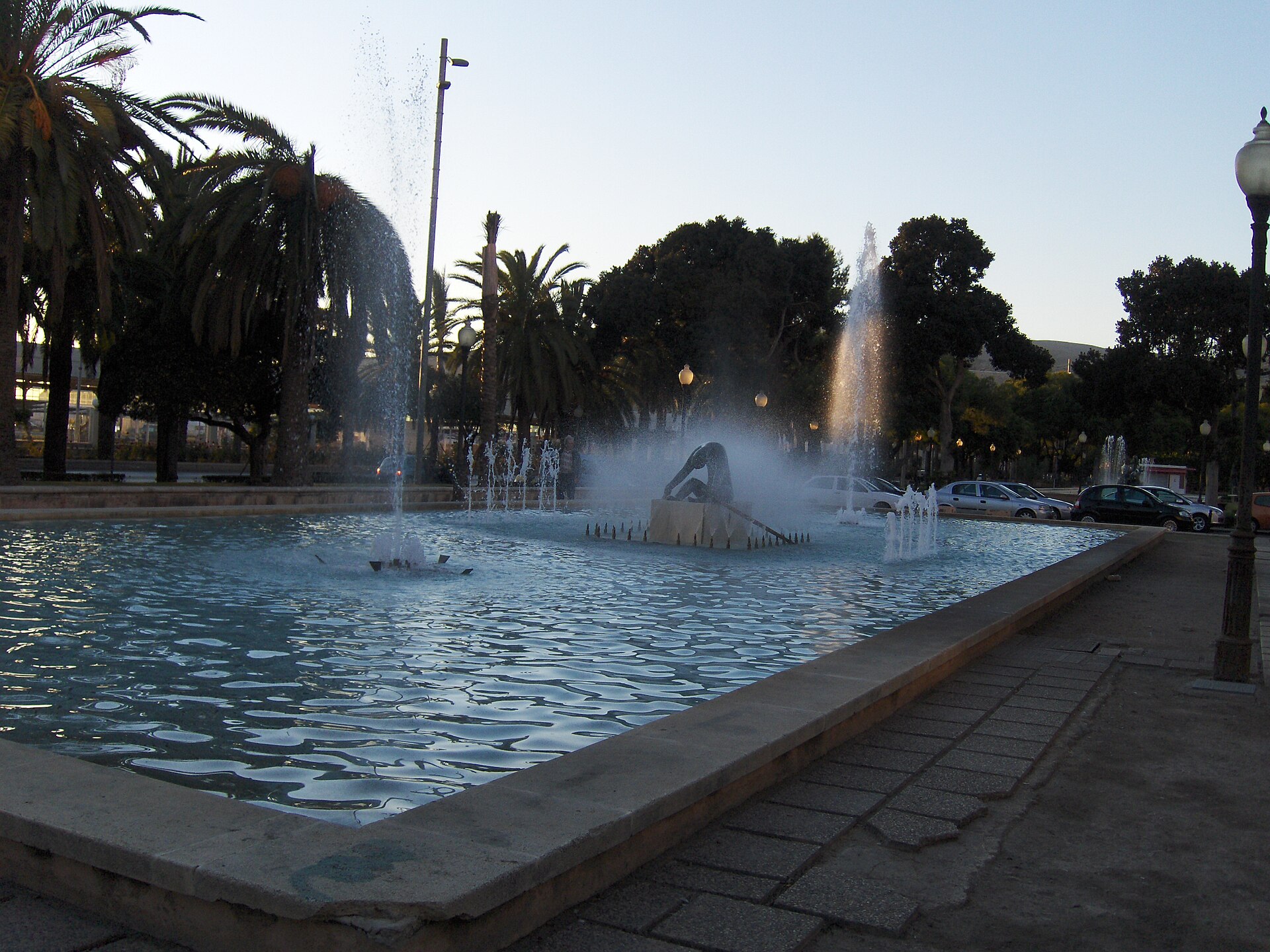
The layout is simple. A central path leads to a small fountain surrounded by benches, where locals meet or rest. Flowerbeds change with the seasons—geraniums, oleanders, and bougainvillea in summer. Old-fashioned lampposts line the perimeter, their design from the early 1900s. They no longer light the paths, but they add a touch of nostalgia.
What makes the park feel alive are its small details. Sparrows dart between the trees. Pigeons strut along the paths. Stray cats nap in the shade, fed by locals who’ve made them part of the park’s rhythm. In warmer months, butterflies drift between flowers, bees hum, and lizards sun themselves on stone borders. Nature and the city coexist here without tension.
This isn’t a park for grand attractions. There are no cafés, no guided tours, no flashy installations. Just a space to sit with a book, listen to leaves rustling, or watch sunlight filter through branches. Locals bring their children to the small playground—swings, a sandbox. On weekends, families picnic on the grass, friends chat on benches, couples stroll.
In warmer months, impromptu gatherings sometimes happen. Local musicians bring guitars for evening music. Poets read verses under the trees. Flamenco or Andalusian tunes drift through the air. These events aren’t advertised, but residents hear about them and come.
Winter changes the park. Trees shed leaves, opening paths to more light. Fewer people visit, but it doesn’t feel empty. Elderly locals take daily walks. Children kick footballs on the small pitch. Someone might feed ducks by the fountain. Migratory birds arrive, adding seasonal magic.
The park isn’t Almería’s most famous landmark, and that’s why it works. There’s nothing forced about it—just the quiet beauty of a place that has settled into the city’s life. For those who want to see Almería beyond guidebooks, it offers a glimpse of everyday rhythms. It’s where you see how locals spend free time, how the city breathes when no one’s watching, and how a little green space holds more than trees and benches.