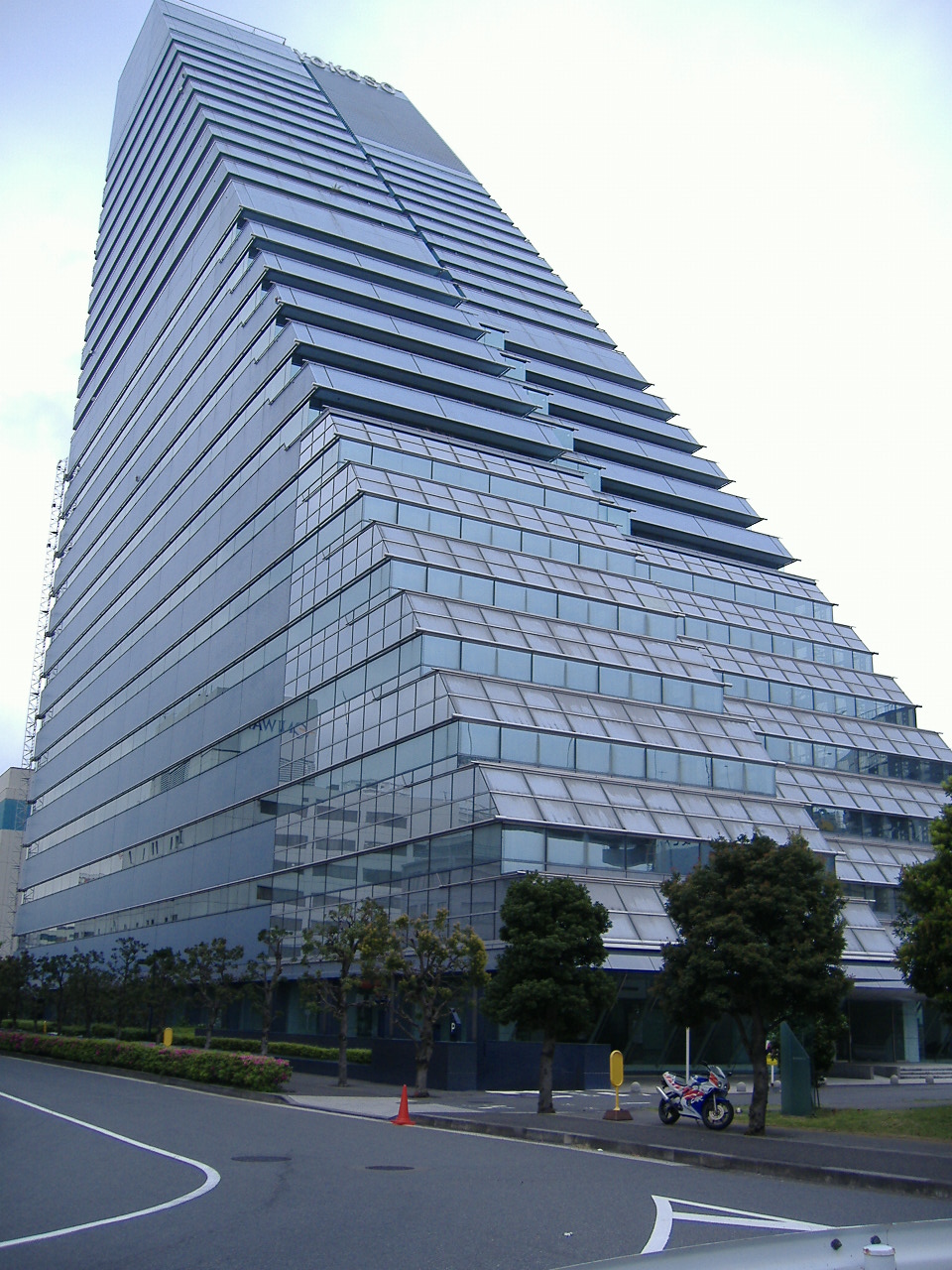
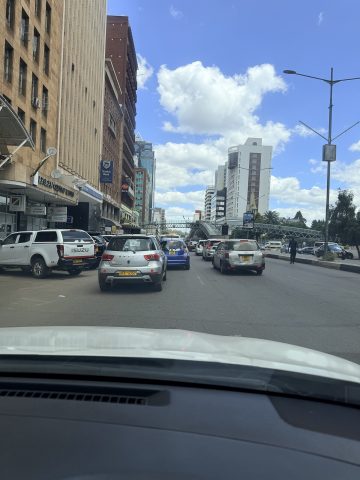
Rainbow Tower Theatre sits quietly in the heart of Harare, a place where the city’s cultural pulse still beats despite the years of change and uncertainty. It isn’t the grandest venue in Zimbabwe, nor the most famous, but it has a way of lingering in the memory of those who step inside. Built in the late 1980s, the theatre was part of a broader effort to create spaces where art could thrive after the country’s independence. Back then, Harare was full of optimism, and places like this were meant to reflect that—venues where stories could be told, music could be played, and people could gather without the weight of the past pressing too heavily on their shoulders.
The building itself is unassuming, tucked away on a side street where the noise of the city fades into something softer. From the outside, it looks like many other structures from that era—functional, with clean lines and a certain solidity that speaks to the practicality of its time. Inside, though, the space opens up differently. The auditorium is intimate, with seating arranged so that no one feels too far from the stage. The walls are plain, but the lighting is warm, and when the house lights dim, the focus shifts entirely to what’s happening on the stage. It’s the kind of place where a small audience can feel like a community, where a whispered line or a quiet musical note carries weight.
Over the years, Rainbow Tower Theatre has hosted a mix of performances—plays, concerts, poetry readings, and even the occasional film screening. It hasn’t always been easy. Zimbabwe’s cultural scene has had its ups and downs, and venues like this have had to adapt to survive. There were times when funding was scarce, when performances were few and far between, and when it seemed like the theatre might fade into the background like so many other places. But it endured, partly because of the people who kept coming back, and partly because Harare, for all its challenges, still has a hunger for stories and music.
The theatre’s programming has never been rigid. It has staged everything from traditional Shona plays to contemporary works by local playwrights, from jazz nights to experimental performances that push boundaries. There’s no single style that defines it, which is perhaps why it has managed to stay relevant. It’s a space that doesn’t dictate what art should be but instead lets it unfold in whatever form it takes. That flexibility has allowed it to become a home for artists who might not fit elsewhere—those who are still finding their voice or who work in ways that don’t conform to mainstream expectations.
What makes Rainbow Tower Theatre special isn’t just the performances, though. It’s the way it feels like a living part of the city, not just a relic of a particular moment in time. Harare has changed a great deal since the 1980s, and the theatre has changed with it. The crowds that fill its seats now are different from those who first walked through its doors, but the sense of connection remains. There’s something about sitting in a room with strangers, all of you there for the same reason, that creates a kind of quiet understanding. You might not know the person next to you, but for those few hours, you’re part of the same experience.
The theatre has also become a place where younger artists can test their work. Many of Zimbabwe’s most promising performers and writers have had their early pieces staged here, sometimes to small audiences, sometimes to packed houses. It’s the kind of venue where a first-time playwright can see their words come to life, where a musician can try out new material without the pressure of a larger stage. That role—as a proving ground for new talent—has given it a reputation as a place where things are happening, even if those things aren’t always widely noticed outside Harare.
Of course, like any theatre, it has its limitations. The facilities are modest, and the acoustics aren’t perfect. There are nights when the sound system falters or when the air conditioning struggles to keep up with the heat. But those imperfections somehow add to its charm. It’s not a place that pretends to be flawless; it’s a place that exists as it is, with all its quirks and idiosyncrasies. That authenticity is part of what draws people back.
Rainbow Tower Theatre isn’t the kind of place you’d travel across the world to see, but if you find yourself in Harare, it’s worth seeking out. It doesn’t offer the spectacle of a grand opera house or the prestige of a major festival venue, but it offers something else—an honest, unfiltered glimpse into the city’s creative life. Whether it’s a play that makes you laugh, a concert that stays with you for days, or just the simple act of sitting in a room full of people who care about the same things you do, the theatre has a way of making you feel like you’ve touched something real. And in a world where so much feels manufactured or overproduced, that’s no small thing.