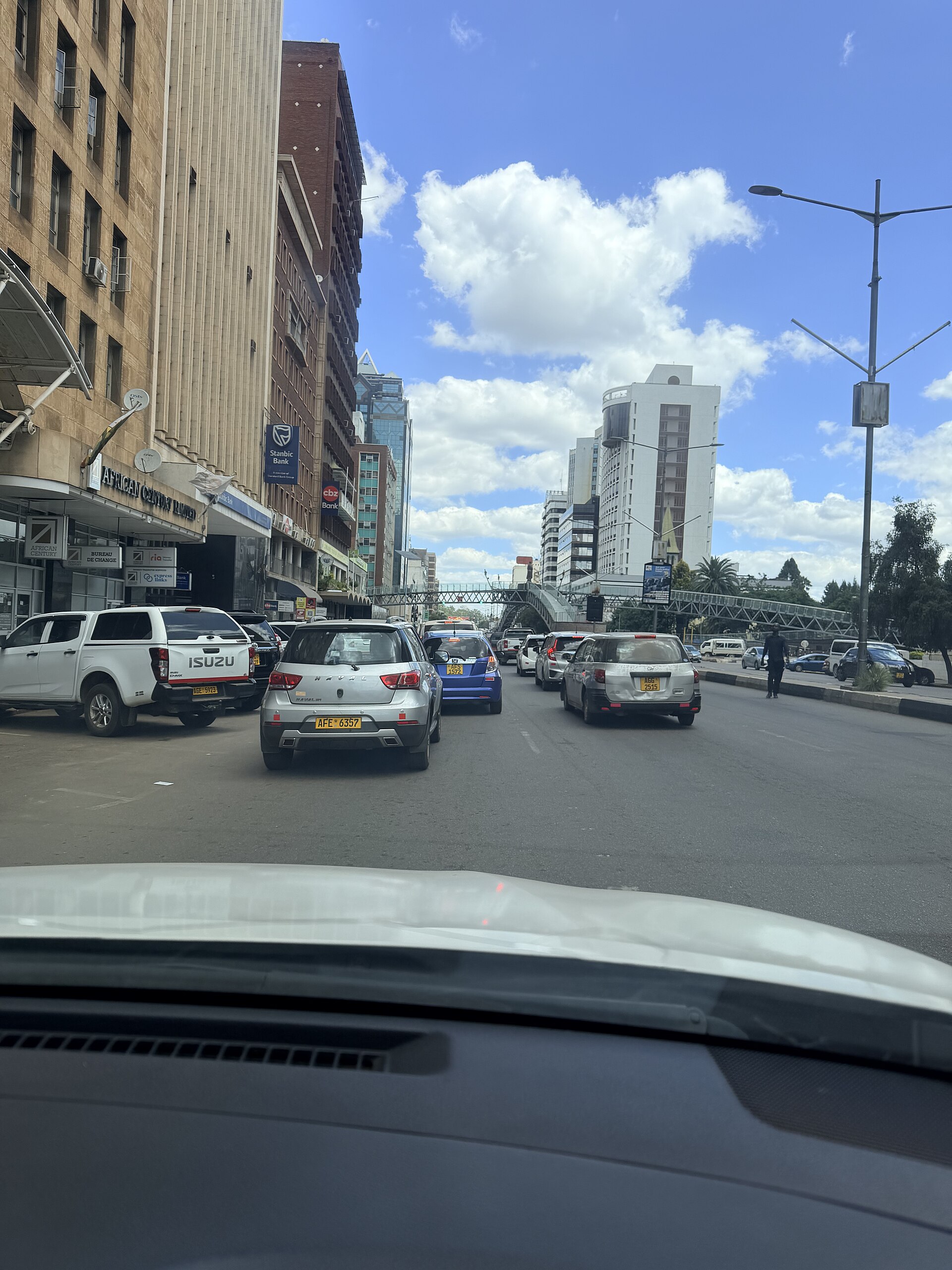
First Floor Gallery Harare isn’t just another art space—it’s where Zimbabwe’s contemporary art scene finds its voice. Tucked away on Julius Nyerere Way in the heart of the capital, this gallery has carved out a reputation for showcasing local artists who defy the usual expectations of what African art should be. There’s no forced exoticism here, no clichés about "traditional" or "authentic" work. Instead, the gallery presents art as something alive, something that reflects both global conversations and deeply personal, local stories. It’s a place where young artists can step into the spotlight without gatekeepers, where their work is taken seriously on its own terms.
The gallery emerged in the early 2010s, born from the frustration of two people who saw a gap in Zimbabwe’s cultural landscape. The country has a rich artistic history, but for years, young talent struggled to find platforms that weren’t either too commercial or too rigidly academic. First Floor Gallery changed that. It didn’t just put art on walls—it built a context where creativity could thrive as part of a broader dialogue. Exhibitions are only part of what happens here. The space also hosts workshops, talks, and discussions where artists and visitors can engage as equals, swapping ideas over coffee or lingering in front of a painting that sparks debate.
Walking into First Floor Gallery feels different from stepping into a traditional museum. There are no grand halls or velvet ropes, no hushed tones or intimidating security guards. The space is simple, almost bare, with works displayed in a way that lets them speak for themselves—whether it’s a bold painting, a delicate sketch, or an experimental installation. The atmosphere is unpretentious, almost casual, as if art isn’t something to be revered from a distance but something to be lived with, argued about, or simply enjoyed. That approach draws in everyone from seasoned collectors to curious passersby who might not usually set foot in a gallery.
Harare itself is a city of contrasts—modern glass towers rise beside colonial-era buildings, bustling markets spill into quiet side streets, and the hum of daily life mixes with the occasional echo of history. In this mix, First Floor Gallery has become a kind of bridge, connecting different layers of the city’s identity. It doesn’t try to be exclusive, nor does it dumb things down. It just exists as a place where art feels accessible, where people can come in off the street and find something that resonates. For many Zimbabweans, this might be their first real encounter with contemporary art, and the gallery makes sure it’s an experience that sticks.
One of the gallery’s defining features is its commitment to young, often overlooked artists. The work shown here isn’t afraid to challenge or provoke. Exhibitions might tackle social issues, personal struggles, or abstract concepts, but they always center the artist’s perspective. Some pieces spark controversy, others become quiet revelations, but the gallery doesn’t shy away from either. It’s not about pleasing everyone—it’s about creating a space where art can be honest, where it can ask questions rather than just decorate walls. That ethos has helped launch careers, giving artists a platform to develop their voices without the pressure of commercial success.
While First Floor Gallery is rooted in Zimbabwe, it hasn’t stayed within those borders. Occasionally, it brings in artists from across Africa and beyond, creating conversations that rarely happen in more traditional settings. A Zimbabwean painter’s work might hang beside a South African photographer’s series or a Kenyan sculptor’s installation, each piece adding to a larger dialogue about identity, history, and creativity. These cross-cultural exchanges don’t just broaden the gallery’s reach—they remind visitors that art isn’t confined by geography.
The gallery’s influence extends far beyond Harare. Through partnerships with international art fairs and collaborations with overseas institutions, the artists showcased here have found their way into collections and exhibitions around the world. That visibility is more than just a personal win for the creators—it’s a step toward putting Zimbabwean art on the global map. Yet despite its growing reputation, the gallery hasn’t lost sight of its original mission: to nurture the local creative scene, not for profit, but for the sake of art itself.
Visiting First Floor Gallery isn’t like touring a museum. There’s no script, no prescribed way to engage with the work. You can stand inches from a canvas, strike up a conversation with the artist if they’re around, or just sit in a corner with a drink and let the pieces sink in. The space often feels more like a gathering spot than a formal institution—somewhere people come to meet, debate, or simply unwind. That informality is part of what makes it special. It doesn’t feel like a place where art is put on a pedestal; it feels like a place where art is part of life.
For travelers in Harare, the gallery can be an unexpected highlight. The city is often seen as Zimbabwe’s business hub, a place of government buildings and corporate offices, but First Floor Gallery offers a different perspective. It’s a reminder that Harare has a vibrant, creative side, one that’s constantly evolving. The gallery doesn’t compete with big museums or high-end commercial spaces—it doesn’t need to. It exists on its own terms, as a place where art isn’t just displayed but lived. And perhaps that’s why it feels so compelling. There’s no agenda here, no pressure to perform or impress. Just art, in all its messy, thought-provoking, sometimes uncomfortable glory.