The Zimbabwe Museum of Human Sciences in Harare is a place where the country’s past feels immediate, not distant. Unlike traditional museums with glass cases and dry labels, this one focuses on what has shaped Zimbabwe as a nation—its culture, struggles, and the everyday lives of its people. The exhibits span centuries, from ancient settlements to modern times, but the emphasis isn’t on strict chronology. Instead, the museum weaves connections between history and the present, showing how the past still resonates today.
The building itself is a quiet piece of history. Constructed in the mid-20th century when Harare was still called Salisbury, its architecture reflects the era’s blend of functionality and subtle local influences. Inside, the high ceilings and soft lighting create a contemplative atmosphere, free from crowds. This makes it easy to linger over the details—whether it’s a set of traditional tools, a photograph from the colonial period, or everyday objects from the Shona and Ndebele peoples.
One of the most compelling sections is dedicated to Zimbabwe’s fight for independence. Here, personal belongings of freedom fighters, documents, and weapons are displayed alongside the stories of those who sacrificed years of their lives for the country’s liberation. These aren’t just relics; they carry the weight of emotion—hope, fear, determination. Nearby, photographs from the early years of independence show a nation taking its first steps into the future, making the contrast between then and now all the more striking.
Traditional culture takes center stage in another part of the museum. Masks, musical instruments, textiles, and jewelry from Zimbabwe’s ethnic groups fill the space, with a particular focus on rituals and beliefs that remain vital to many people. The ngoma drums, for instance, weren’t just for music—they were used to send messages across long distances. Wooden carvings representing ancestral spirits are also on display, not as mere artifacts but as living symbols of a culture that persists beyond the museum’s walls.
Art holds its own place in the museum, with a gallery showcasing Zimbabwean painters and sculptors. The country’s stone sculptures, known worldwide for their expressiveness, are a highlight. Works by masters like Nicholas Mukomberanwa and Henry Munyaradzi capture both traditional themes and modern sensibilities. These pieces don’t just decorate the space; they tell stories, evoke emotions, and invite reflection on humanity’s place in the world.
Beyond being a tourist attraction, the museum serves as an educational hub. Lectures, workshops, and temporary exhibitions draw students, scholars, and locals eager to learn more about Zimbabwe’s history and culture. In recent years, the museum has expanded its outreach to younger audiences, hosting competitions and projects that encourage participation rather than passive observation. It’s a place where history isn’t just studied—it’s engaged with.
What makes the museum special is its honesty. There’s no glorification of the past or sugarcoating of the present. Instead, it presents Zimbabwe’s journey—through colonialism, war, independence, and economic challenges—as a story of resilience. The museum doesn’t aim to impress with grandeur; its strength lies in its quiet authenticity.
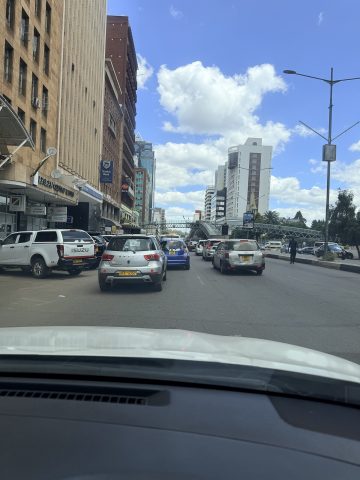
Harare is a city of contrasts, where skyscrapers stand beside bustling markets and quiet parks. The Museum of Human Sciences sits slightly off the beaten path, which only adds to its charm. After a visit, the surrounding streets invite exploration—small cafes, shaded benches, and the slow pace of the neighborhood offer a chance to reflect on what you’ve seen. There’s no rush here, just space to absorb the atmosphere.
More than a collection of artifacts, the Zimbabwe Museum of Human Sciences is a window into the country’s soul. It reminds visitors that history isn’t confined to textbooks; it lives in traditions, in people, and in the everyday. If you want to understand Zimbabwe not just as a place on a map but as a living culture, this museum is a good place to start.