The Pirandello Theatre in Agrigento is one of those quiet places where the past and present meet without fanfare. Named after Luigi Pirandello, the Nobel Prize-winning playwright born in the nearby village of Caos, the theatre carries his legacy in more ways than just its name. While Agrigento is best known for its ancient Greek temples, this unassuming building in the heart of the old town offers a different kind of cultural experience—one that feels intimate, alive, and deeply rooted in the city’s rhythm.
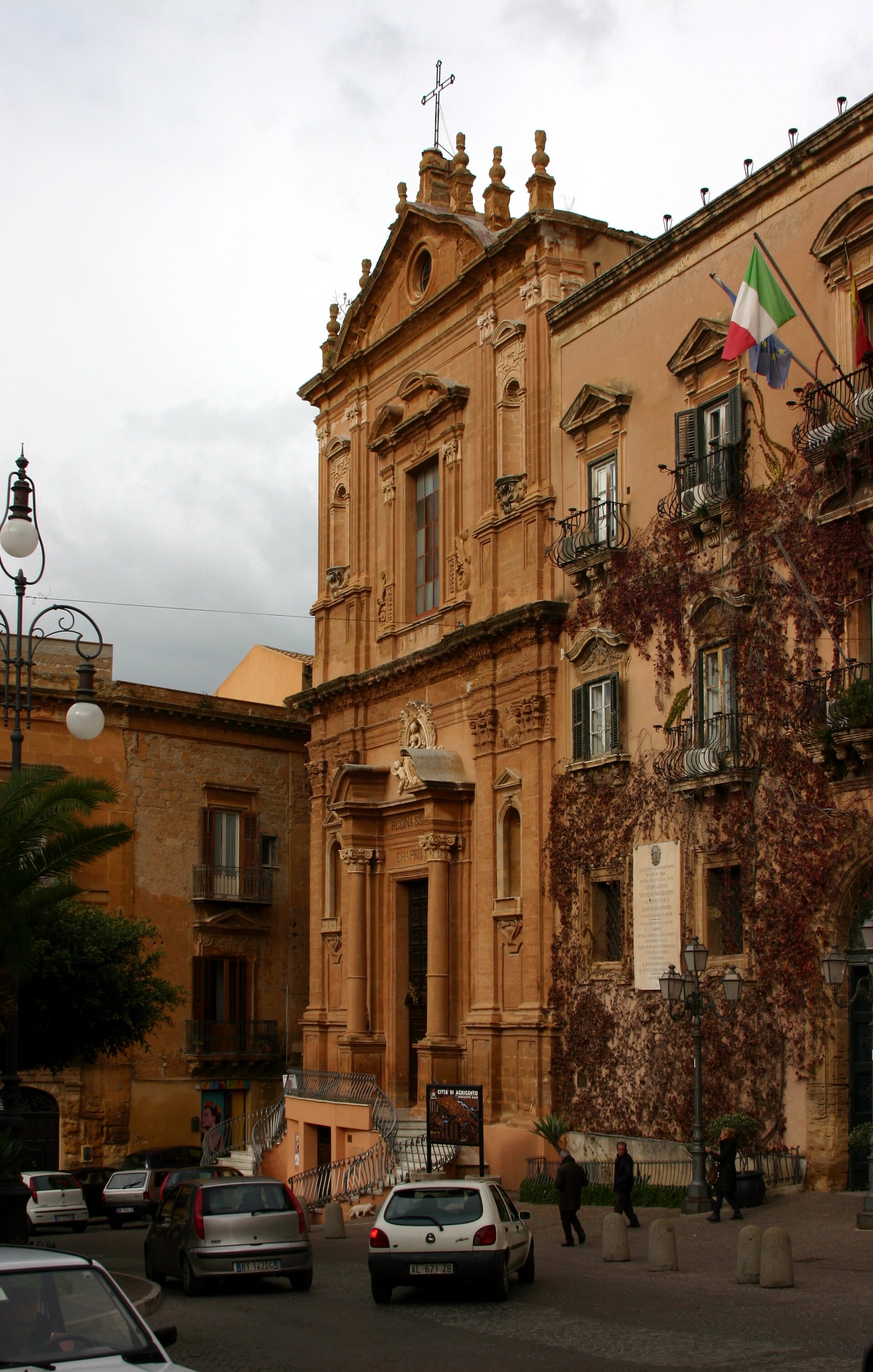
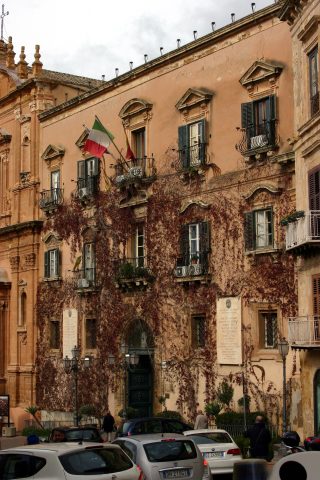
Agrigento itself is a place of contrasts, where crumbling ruins stand alongside narrow streets lined with flower-draped balconies and small shops selling almond pastries and olive oil. The theatre sits among these everyday scenes, blending in rather than standing out. Its architecture is modest, typical of early 20th-century provincial Italian theatres, with high ceilings, large windows, and delicate plasterwork. Inside, the space is small enough to create a sense of closeness between performers and audience, a quality that makes performances here feel personal rather than grand.
Pirandello’s influence on the theatre goes beyond its name. His revolutionary plays, which explored the fluidity of reality and human perception, remain relevant today, and Agrigento has always embraced its connection to him. The playwright’s childhood home in Caos is now a museum, but the theatre serves as a living extension of his legacy. Occasionally, it hosts readings of his works or productions of his plays, bridging the gap between his era and the present. These events aren’t just about nostalgia—they’re a reminder that great art doesn’t belong to any single time.
Unlike the crowded tourist hubs of Palermo or Catania, Agrigento moves at its own pace. There are no hurried crowds here, no sense of urgency. The Pirandello Theatre fits naturally into this unhurried atmosphere. It doesn’t try to impress with opulence or scale; instead, it offers something rarer—authenticity. The performances feel like they’re for the people who live here, not just visitors passing through. Whether it’s a classic play, a contemporary piece, or a local music performance, the theatre provides a space where art feels like part of everyday life.
In recent years, the theatre has expanded its role, hosting festivals that celebrate not just theatre but also film, literature, and even food. This reflects Agrigento’s broader cultural identity—a place where creativity isn’t confined to museums or grand stages but spills into cafés, piazzas, and conversations. After a show, it’s common to wander into a nearby bar, order a glass of local wine, and discuss what you’ve just seen. These moments, more than the performances themselves, are what make the theatre special.
The building has undergone renovations over the years, but efforts have been made to preserve its original character. The foyer still displays old photographs of actors and faded posters from past performances, a quiet testament to the stories told on its stage. For locals, the theatre isn’t just a landmark—it’s a place to gather, to discover new ideas, and to connect with their city’s cultural heartbeat.
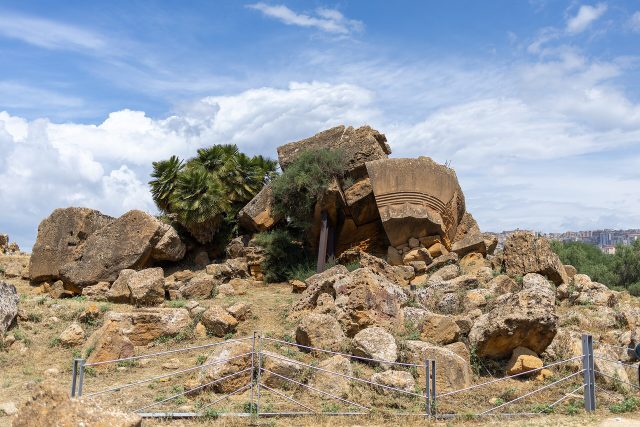
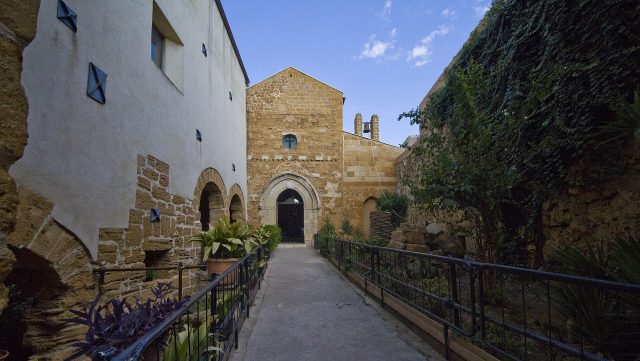
Agrigento is often called a city of contrasts, where ancient temples stand beside Baroque churches and medieval alleys lead to modern shops. The Pirandello Theatre fits seamlessly into this landscape, not as a rival to the grandeur of antiquity but as a companion to it. It doesn’t demand attention; it simply exists, a reminder that culture isn’t just about what’s preserved in stone but also about what’s alive and evolving. Visiting the theatre isn’t about ticking off a sight—it’s about experiencing a place where art feels like a natural part of life.