Piazza Pirandello in Agrigento is one of those rare places where a city reveals itself slowly, without the usual tourist rush. There are no grand monuments here, no crowds jostling for the best photo spot—just the quiet rhythm of everyday life, where the past lingers in the worn stones and the air carries the weight of history. It’s the kind of square where time doesn’t so much pass as settle, like dust on an old bookshelf.
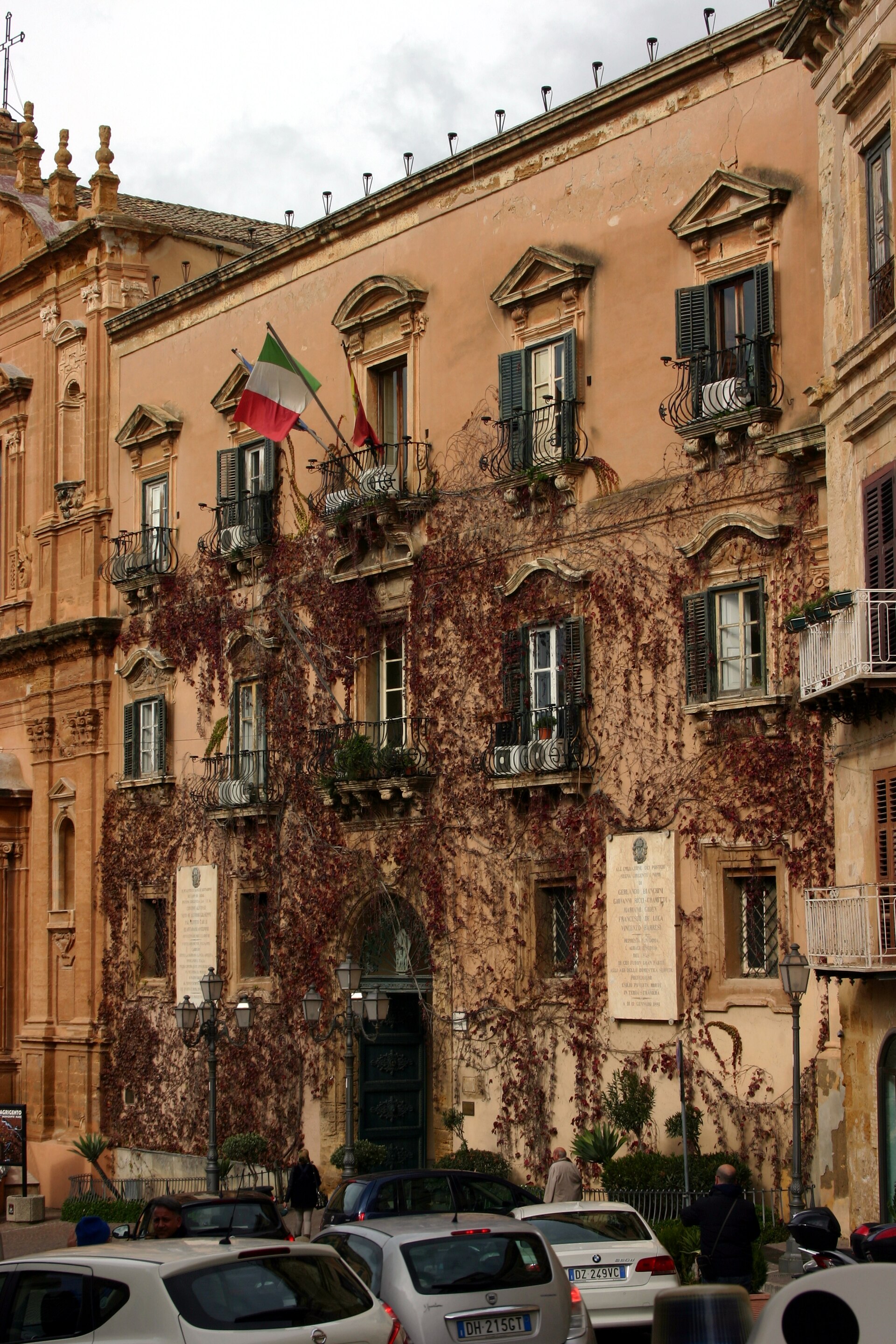
The piazza takes its name from Luigi Pirandello, the Nobel Prize-winning playwright born in Agrigento, whose presence still feels tangible here. His childhood home, a modest building not far from the square, stands as a quiet testament to the man who would later dissect human identity and reality in his works. Walking these streets, it’s easy to imagine the young Pirandello absorbing the sights and sounds of his hometown—the clatter of hooves on cobblestones, the murmur of merchants, the scent of citrus trees in the afternoon heat—details that would later seep into his plays. The square itself, with its low-slung buildings and wrought-iron balconies, seems to hold the same contradictions that defined his writing: simple on the surface, but layered with meaning beneath.
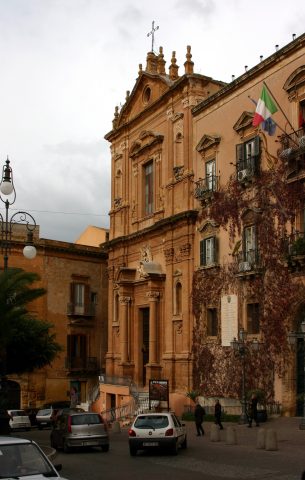
The architecture here is unassuming, even austere, yet that’s precisely what gives it charm. The buildings, mostly from the 18th and 19th centuries, reflect the practical elegance of southern Italy—thick walls to keep out the summer heat, wooden shutters to filter the light, and balconies just wide enough for a chair and a cup of coffee. Agrigento was once a thriving trade hub, linking the island’s interior with its ports, and this square likely served as a meeting point for merchants, travelers, and locals. The same streets that once echoed with the haggling of traders now hum with the chatter of old men playing cards or the occasional scooter puttering by.
Mornings on Piazza Pirandello belong to the locals. The cafés spill onto the pavement, their espresso machines hissing as regulars stand at the counter, exchanging gossip over tiny cups of bitter coffee. By midday, the square fills with visitors taking a break from the Valley of the Temples, Agrigento’s famous archaeological site, just a short walk away. But it’s in the evenings that the piazza truly comes alive. Street musicians set up near the fountain, their melodies mingling with the laughter of children chasing each other across the stones. Old men sit on benches, watching the world go by with the patience of those who’ve seen it all before. The light softens, casting long shadows over the worn pavement, and for a moment, it’s as if the square exists outside of time.
At the edge of the piazza stands the Teatro Luigi Pirandello, a small but striking building dedicated to the city’s most famous son. Built in the mid-20th century, the theater is a love letter to Pirandello’s legacy, with its ornate ceiling moldings, plush red seats, and gilded accents. It’s not a grand opera house, but that’s part of its appeal—intimate enough to feel like a gathering of friends, yet grand enough to honor the man who put Agrigento on the cultural map. The theater hosts plays, concerts, and literary events, many of them centered around Pirandello’s work. For locals, it’s more than just a venue; it’s a place where the past is kept alive, where the words of their most celebrated writer still resonate.
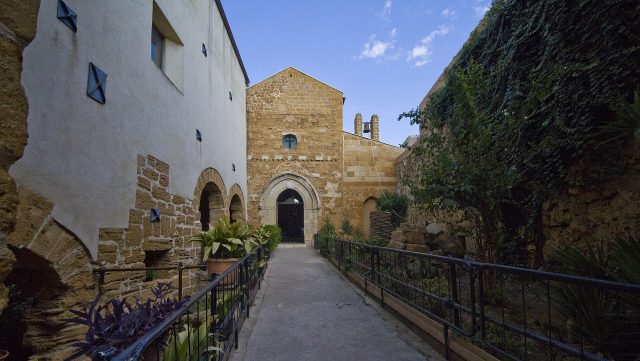
Just off the square, the Church of Santa Maria degli Angeli offers a quiet contrast to the bustle outside. Built in the 17th century, it’s a simple structure, its whitewashed facade blending into the surrounding buildings. Inside, the air is cool and still, the walls adorned with faded frescoes and altars crafted by local artisans. The church doesn’t draw crowds, but for those who step inside, it offers a glimpse into Agrigento’s spiritual history. On certain days, the steps outside become a makeshift market, where vendors sell bottles of golden olive oil, wedges of aged pecorino, and trays of almond pastries—small reminders of the island’s bounty.
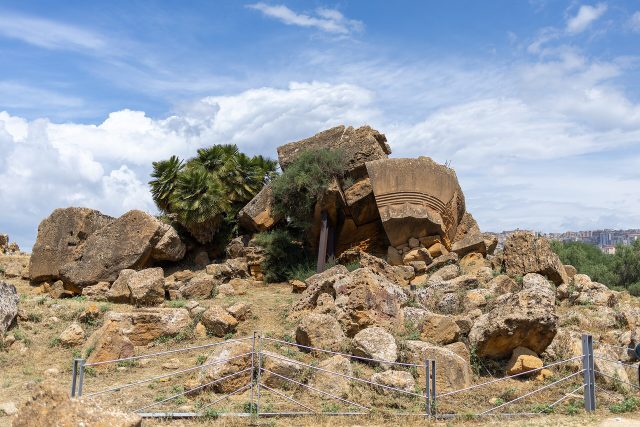
Piazza Pirandello isn’t just a place to pass through; it’s a starting point for understanding the city. From here, the Valley of the Temples is a short walk away, its ancient columns rising against the sky. The archaeological museum, with its treasures from Agrigento’s Greek past, is nearby, as is the medieval quarter of Rabato, where narrow alleys twist between crumbling palazzi. But even if you never leave the square, you’ll still catch the essence of the place. Sit at a café table, order a glass of local wine, and watch as the light shifts across the buildings. The real Sicily isn’t in the guidebooks or the postcard-perfect views—it’s in the way the baker next door pulls fresh bread from the oven at dawn, in the way the church bells echo through the empty streets at dusk, in the way the old men argue over a game of cards as if the world beyond the piazza doesn’t exist.
This is a place where history isn’t confined to museums or ruins. It’s alive in the cracks between the cobblestones, in the stories passed down through generations, in the way the present and the past coexist without fuss. There’s no need for grand gestures here—just the quiet certainty that some places, like some people, are exactly as they should be. And that’s enough.