The Terazije Theatre stands as one of those rare places in Belgrade where the past and present coexist effortlessly. Nestled in the heart of the city on Terazije Square, it isn’t just a building—it’s a living piece of history that continues to evolve with each passing day. The theatre embodies the intersection of architectural grandeur and contemporary culture, making it more than just a landmark. It’s a place where art and everyday life intertwine, where the stage becomes a mirror reflecting the city’s soul.
Built in the mid-20th century, the theatre emerged during a period of post-war reconstruction when Belgrade was redefining itself. Its architecture reflects the era’s modernist sensibilities, blending clean lines with elegant forms. The façade, clad in light stone, strikes a balance between monumentality and grace, while tall windows and columns lend it a sense of solemnity. Inside, the space is designed to draw the audience into the performance. Thoughtfully arranged seating, excellent acoustics, and an expansive hall create an atmosphere where every note, every line, and every gesture feels intimate and immediate.
The Terazije Theatre has always been more than just a venue for performances. Over the decades, it has hosted not only theatrical productions but also concerts, festivals, political gatherings, and film screenings. It has been a space where culture and public life merge, where ideas are debated, and new perspectives take shape. During the socialist era, the theatre symbolized Yugoslavia’s cultural renaissance, and even after the country’s dissolution, it remained a platform for dialogue, helping to shape Serbia’s cultural identity.
Today, the theatre’s repertoire spans a wide range of genres, from classic plays to experimental works. It welcomes both renowned Serbian artists and international performers, offering everything from drama and comedy to opera and ballet. A particular emphasis is placed on national playwrights, making the theatre a vital hub for Serbian theatre. Yet it also embraces innovation, with directors and actors often tackling contemporary themes, pushing boundaries, and inviting audiences to engage with the world around them.
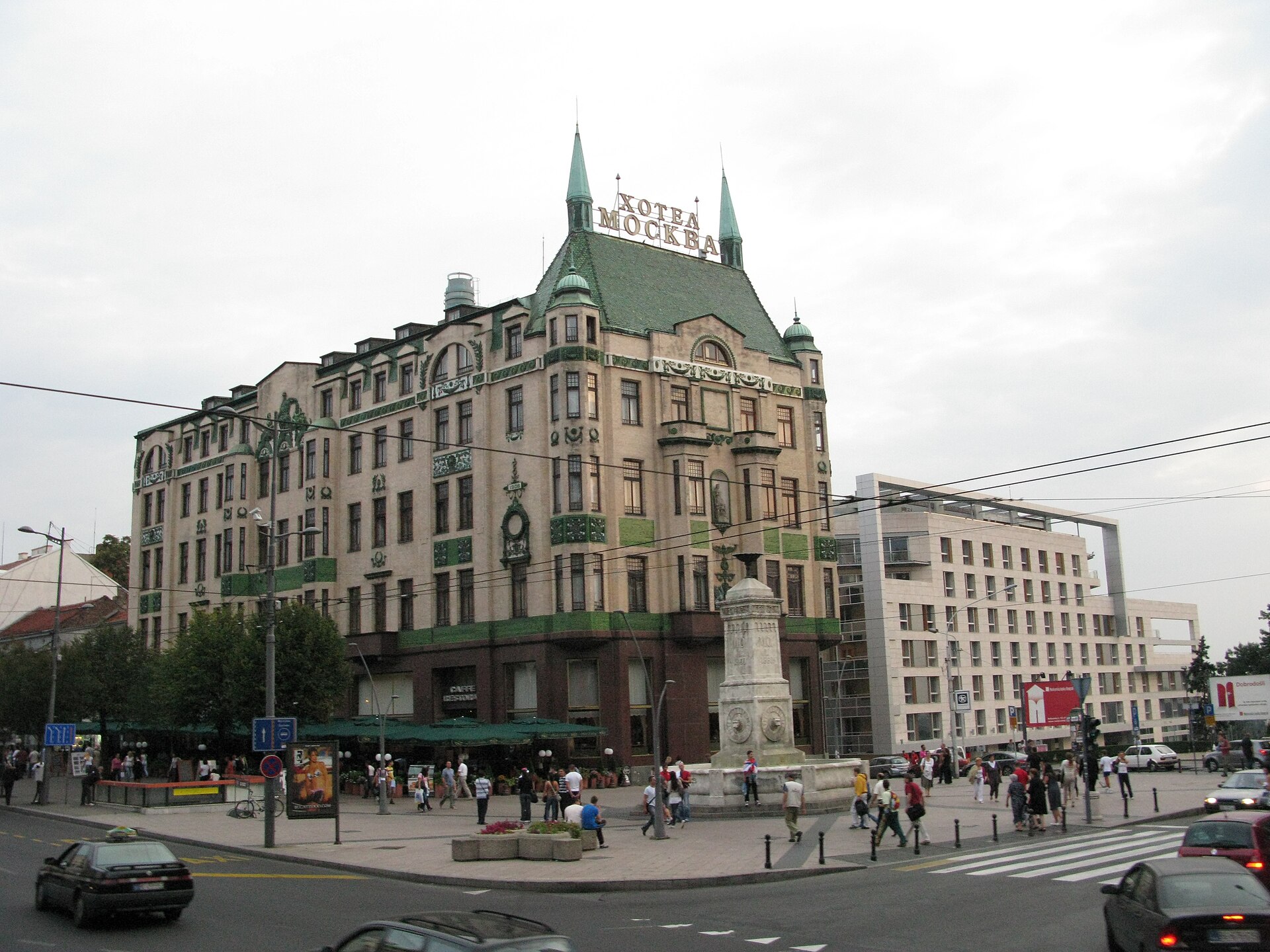
Terazije Square, where the theatre is located, is one of Belgrade’s most iconic public spaces. It’s a place where the city’s energy is palpable—tourists and locals stroll along its sidewalks, cafés and restaurants buzz with conversation, and neon signs light up the evening. The theatre fits seamlessly into this lively setting, its presence a natural part of the urban landscape. Walking through Terazije, it’s easy to imagine the square in different eras, filled with people exchanging news, meeting friends, or simply soaking in the city’s atmosphere.
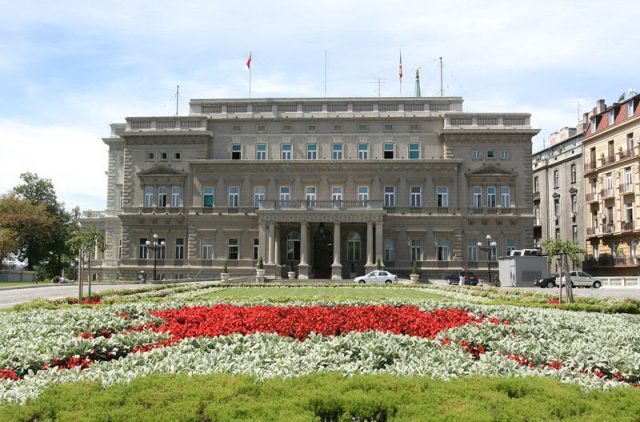
For first-time visitors to Belgrade, the Terazije Theatre serves as a useful landmark. It’s within easy reach of other notable sites, including the Prince’s Palace, the National Museum, and Knez Mihailova Street. A visit to the theatre can easily be part of a broader exploration of the city center, where history and modernity coexist at every turn. Even if you don’t step inside, the building and its surroundings offer a glimpse into Belgrade’s evolution and the cultural traditions it holds dear.
In recent years, the theatre has expanded its reach through international collaborations, participating in festivals and working with foreign artists. This global engagement allows it to stay connected to broader artistic trends while maintaining its distinct character. Audiences who attend performances here can expect more than just entertainment—they become part of a cultural exchange that transcends borders.
The Terazije Theatre isn’t a museum; it’s a dynamic space where art lives in the present. There are no dusty relics or rigid traditions here—every performance, every concert is an event that lingers in memory. Perhaps that’s why it resonates so deeply with Belgraders and draws visitors who want to understand what truly drives this city. After all, theatre is about people—their stories, their emotions—and the Terazije Theatre captures that essence perfectly.