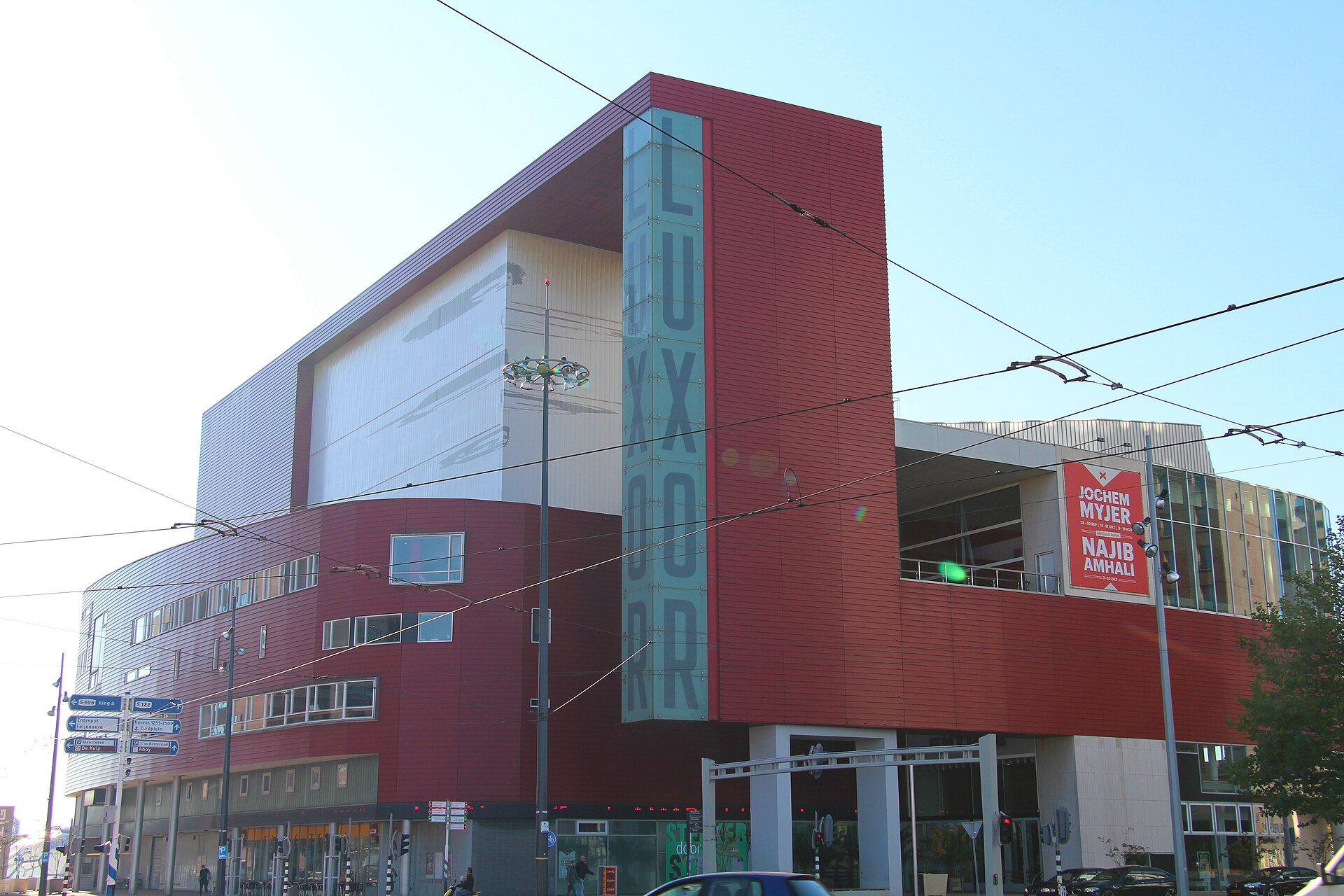
The Luxor Theatre doesn’t just occupy a street corner—it holds a piece of the city’s soul. Built in the 1920s, it arrived when Rotterdam was reinventing itself. The port was expanding, the population growing, and the city wanted culture, not just commerce. The Luxor was part of that ambition.
The building is Art Deco. Its facade has sharp angles and geometric patterns, inspired by Egyptian motifs after the discovery of Tutankhamun’s tomb. Inside, high ceilings and stained glass create a space that feels both grand and welcoming. It was designed to combine live performances with film screenings, reflecting the city’s forward-thinking spirit.
The Luxor survived the war. It became a symbol of resilience, one of the few places where people could escape the rubble. By the 1970s, it was recognized as an architectural landmark, saving it from demolition. Today, it bridges past and present.
Stepping inside feels like entering another era. The auditorium has deep red seats and gilded details. Every performance, whether a classical concert or an experimental play, feels like an event. The Luxor’s charm is its authenticity—it preserves the 1920s without feeling like a museum.
The theatre’s programming reflects the city’s diversity. One night you might see a ballet, the next an electronic music performance. Local and international artists share the stage. The venue takes risks, hosting productions that might not find a home elsewhere. Yet it remains accessible, with affordable ticket prices. The auditorium’s size ensures even the back row feels close.
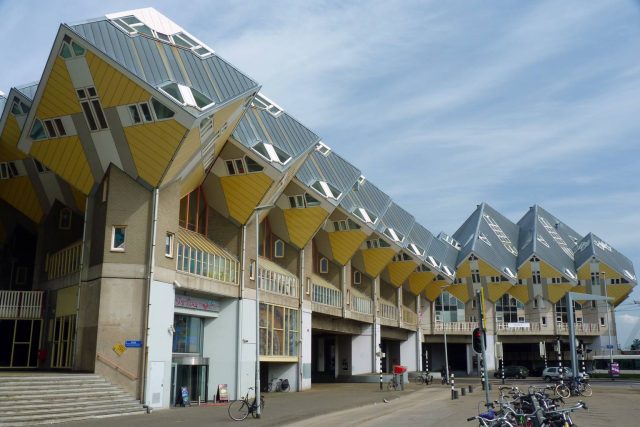
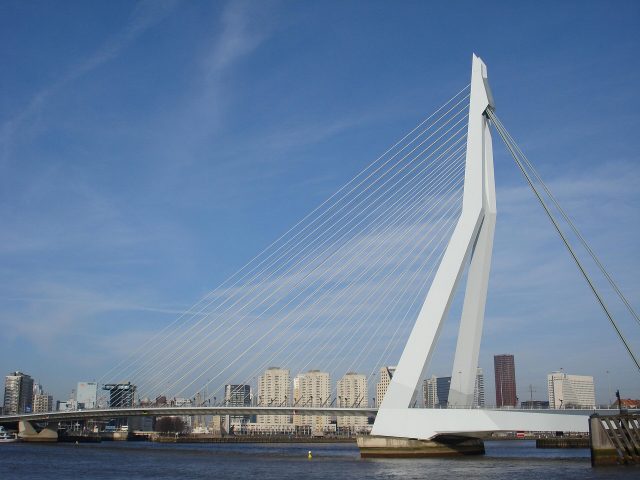
The area around the Luxor is lively. It sits near the Maas riverfront and central station. Historic buildings stand beside skyscrapers, narrow alleys open into plazas, and cafes spill onto sidewalks. You can grab coffee before a show or wander after.
For many Rotterdammers, the Luxor is a place of memories. It’s where first dates, school trips, and years of performances intersect. Art becomes a shared language here. The theatre brings people together.
Even without a show, the Luxor is worth a visit. The facade is a masterclass in Art Deco. Stand in front of it, and you might hear echoes of the past. Open rehearsals or guided tours sometimes bring its history to life. A quick walk past is enough to feel its presence—a reminder of Rotterdam’s ability to reinvent itself while holding onto what matters. It lingers in your mind, much like the city: bold, unpretentious, and warm.