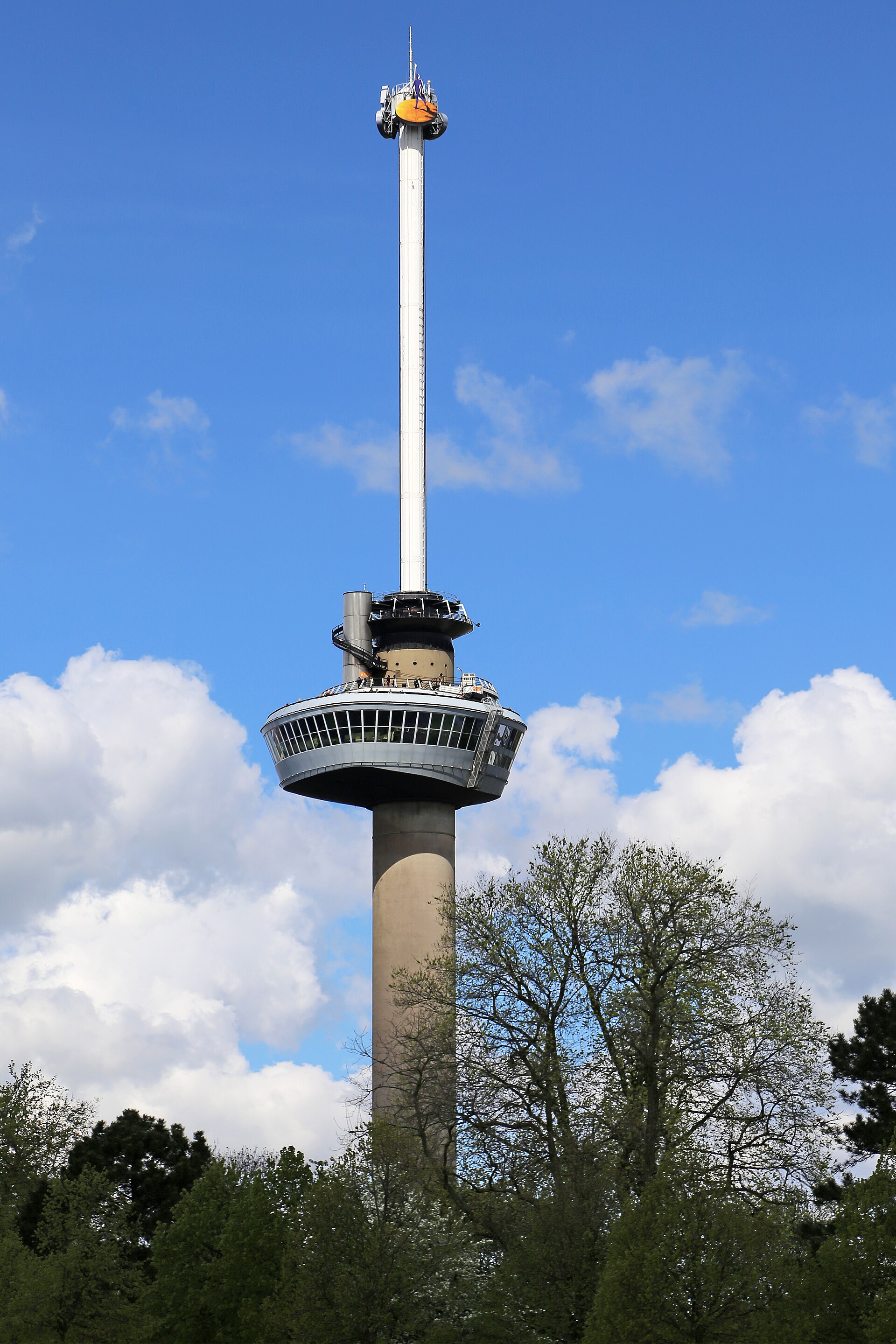
Rotterdam’s Euromast is more than just a viewpoint—it’s a symbol of the city’s resilience and reinvention. Built in 1960 for the Floriade flower exhibition, it was originally meant to be a temporary structure, but its striking design and commanding presence quickly made it a permanent fixture in the skyline. Standing at 185 meters, it was once the tallest building in the Netherlands, a title it held until the rise of Rotterdam’s modern skyscrapers. Yet even now, it remains one of the most recognizable landmarks in a city that rebuilt itself from the ground up after the devastation of World War II.
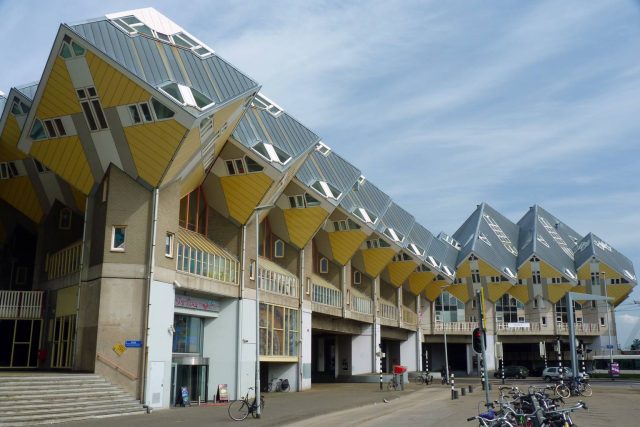
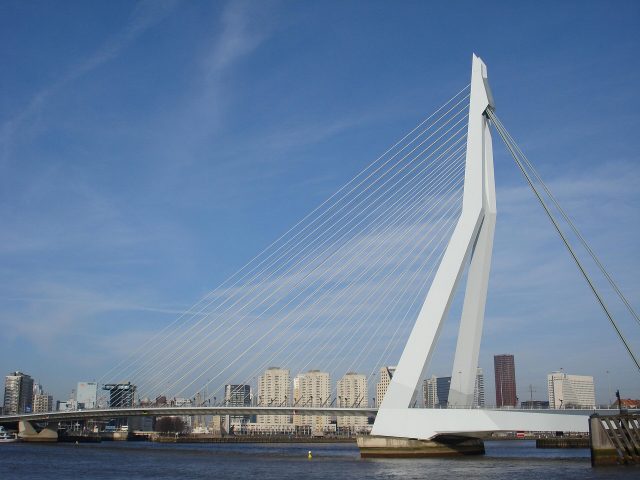
The tower’s design is a blend of bold engineering and mid-century optimism. Architect Hugh Maaskant envisioned it as more than just a lookout—it was meant to embody the spirit of progress. The structure consists of a sturdy concrete base, housing a restaurant and exhibition spaces, topped by a slender steel spire that gives it its distinctive silhouette. The first observation deck sits at 96 meters, offering panoramic views of Rotterdam’s ever-evolving skyline. But the real highlight is the rotating glass elevator, which ascends to 112 meters, allowing visitors to take in the city from every angle. On clear days, the view stretches for miles, revealing the geometric precision of the canals, the playful asymmetry of the Cube Houses, and the sleek lines of the Erasmus Bridge.
Euromast wasn’t always this tall. When it opened, it stood at just over 100 meters, but in 1970, an additional segment—the "Space Tower"—was added, nearly doubling its height. The decision wasn’t just about breaking records; it was a practical response to Rotterdam’s rapid growth. The city was transforming into a hub of modern architecture, and the tower needed to keep pace. Though newer skyscrapers have since surpassed it in height, Euromast still dominates the waterfront, especially when seen from the Maas River, where its reflection shimmers on the water’s surface.
The tower is deeply tied to Rotterdam’s identity as a city that embraces the future. After the wartime bombings of 1940 left much of it in ruins, the city had a rare opportunity to reimagine itself. Euromast became one of the first symbols of this new era—light, futuristic, and unapologetically modern. It represented the optimism of post-war Europe, a belief in progress and innovation. Today, it stands as both a relic of its time and a living part of the city, hosting exhibitions, weddings, and even extreme sports like bungee jumping.
Visiting Euromast is about more than just the view. The surrounding park is a popular spot for locals and visitors alike, a green oasis where people gather for picnics or simply to enjoy the breeze. Inside, the experience is designed to immerse you in Rotterdam’s dynamic energy. The glass elevators rise swiftly, offering glimpses of the city unfolding below, while the observation decks invite you to linger, watching the streets and waterways pulse with life. At night, the tower is illuminated, its lights dancing on the Maas, creating the illusion that it’s floating above the city.
Euromast is where Rotterdam’s past and present intersect. From its heights, you can trace the city’s transformation—from the rubble of war to the bold architectural experiments that define it today. It has witnessed the rise of landmarks like the Erasmus Bridge, the Cube Houses, and the De Rotterdam complex, and it remains a reference point in the ever-changing skyline. For locals, it’s a familiar part of daily life; for visitors, it’s a must-see, offering a perspective that reveals what makes Rotterdam unique.
Beyond the views, the tower has plenty to offer. The restaurant inside serves meals with a side of breathtaking scenery, while rotating exhibitions explore themes of design and urban development. Thrill-seekers can descend from the tower on a zip line, seeing the city from a perspective few get to experience. And for those looking for a memorable setting, Euromast hosts weddings, where couples exchange vows against the backdrop of a city that is itself a work of art.
Over the years, Euromast has become more than just a landmark—it’s a cultural icon. It appears on postcards, in films, and even in video games, symbolizing not just Rotterdam but the spirit of modern Holland. The tower is a reminder that even after the darkest times, it’s possible to create something extraordinary. As Rotterdam continues to evolve, Euromast remains a constant—a place where the city’s ambitions, contradictions, and beauty are laid bare for all to see.