Rotterdam’s Museum Boijmans Van Beuningen is one of those rare places where art doesn’t feel like a relic behind glass but something alive, almost like a conversation you’ve walked into mid-sentence. It doesn’t have the hushed reverence of a traditional museum, where every step echoes through cavernous halls. Instead, the collection breathes—paintings, sculptures, and decorative objects unfolding a story that stretches from the Middle Ages to the present day. The museum carries the names of two men whose lives became intertwined with the city’s own. Frans Boijmans, a 19th-century collector and patron, donated his private collection to Rotterdam, while Daniël George van Beuningen, an industrialist and philanthropist, later expanded it with works by modern masters. What emerged wasn’t just a repository of art but a bridge between eras, a place where the past and present coexist without pretense.
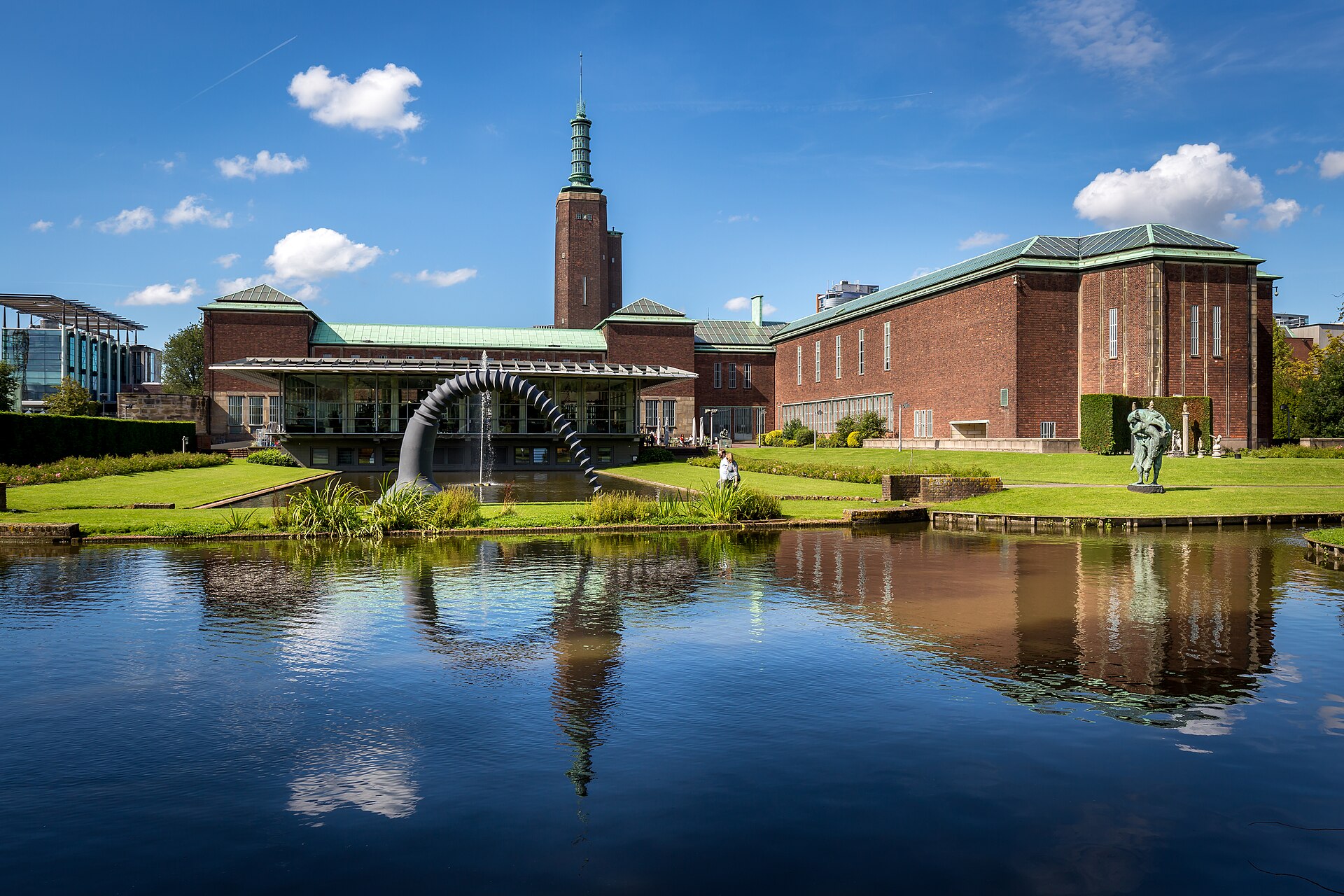
The building itself is a quiet masterpiece, though it doesn’t demand attention the way the art inside does. Constructed in stages beginning in 1935, it reflects a careful balance between function and aesthetics. The main structure, designed in a modernist style, feels airy and uncluttered, with high ceilings and large windows that flood the galleries with natural light. In 2021, the museum closed for an extensive renovation, a project meant to restore its former glory while bringing it up to contemporary standards. For now, parts of the collection are traveling the world, but even in this temporary state, Boijmans Van Beuningen remains a cornerstone of Rotterdam’s cultural landscape.
The museum’s collection isn’t just a gathering of masterpieces—it’s a reflection of the tastes and obsessions of those who built it. Here, medieval altarpieces sit alongside Flemish still lifes, while works by Van Gogh, Monet, and Picasso share space with pieces by lesser-known but equally compelling artists. A particular strength lies in its holdings from the Dutch Golden Age, with works by Rembrandt, Frans Hals, and Johannes Vermeer. Yet the museum isn’t stuck in the past. Its galleries also feature surrealists, abstract expressionists, and contemporary artists who push boundaries in their own ways. What makes the collection unusual is its lack of strict chronological order. Instead, curators arrange works to create dialogues between eras, showing how ideas and techniques echo across centuries.
One of the museum’s most famous pieces is Hieronymus Bosch’s *The Temptation of St. Anthony*, a triptych that feels less like a painting and more like a puzzle. Every inch is packed with bizarre creatures, grotesque figures, and layered symbolism that still sparks debate among art historians. Nearby, works by Pieter Bruegel the Elder bring 16th-century peasant life to vivid, almost cinematic detail. These aren’t just paintings to glance at—they’re windows into how people once saw the world, and how much of that vision still resonates today.
But Boijmans Van Beuningen isn’t just about paintings. Its decorative arts collection includes furniture, porcelain, jewelry, and even 20th-century design objects. A standout is the assortment of antique clocks and scientific instruments, which offer a glimpse into how humanity’s understanding of time and space has evolved. The sculpture department spans from antiquity to modern times, featuring works by Auguste Rodin and Henry Moore. Each piece feels less like an artifact and more like a fragment of history that comes alive when you pause to look.
Rotterdam has always been a city that embraces the new, and the museum reflects that spirit. There’s no single way to experience it—no prescribed path or rigid interpretation. You might spend an hour deciphering the details in a Bosch painting or simply wander the galleries, letting the play of light and shadow guide you. The museum doesn’t tell you how to feel about the art; it simply exists, inviting you to find your own connection to it. That openness is why it’s cherished not just by tourists but by locals, who see it as a place of discovery rather than a static monument.
In recent years, the museum has expanded its focus beyond permanent collections, placing greater emphasis on educational programs and temporary exhibitions. It’s not just a space for passive observation but a forum for engagement. Lectures, workshops, and artist talks help visitors understand art’s role in the modern world. Even during its renovation, the museum hasn’t gone dormant—its works continue to travel, appearing in exhibitions across the globe. This adaptability speaks to how Boijmans Van Beuningen is seen: not as a fixed institution but as something dynamic, constantly evolving.
When the museum reopens after its renovation, it will undoubtedly look different. But some things won’t change—its ability to surprise, to challenge, and to make art feel immediate. In a city known for its bold contemporary architecture, Boijmans Van Beuningen holds a unique place. It’s a reminder that art isn’t just about the past; it’s a living thing, shaping and being shaped by the present. No matter what else changes, there will always be a moment when you stand in front of a painting and feel that quiet, unshakable connection to those who came before.