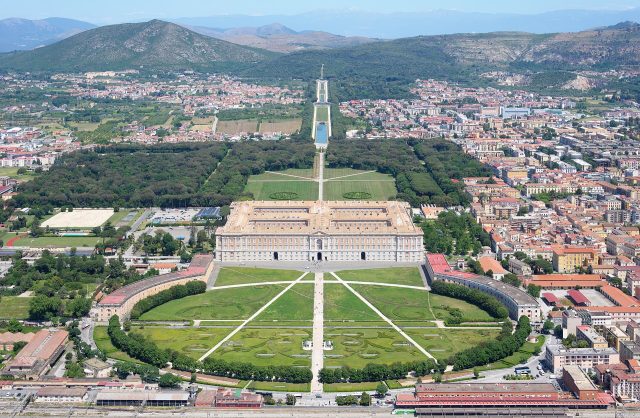
The Queen Maria Carolina Theatre in Caserta is one of those places where the past doesn’t just linger—it breathes. Tucked within the sprawling Royal Palace, it was conceived in the late 18th century as part of an ambitious vision to create a new heart for the Kingdom of Naples. While the palace itself is celebrated for its grandeur, the theatre often goes unnoticed, overshadowed by its more famous counterpart. Yet for those who seek more than just architecture, it offers a quiet glimpse into the cultural life of a bygone era.
At first glance, the theatre might seem modest, even underwhelming, especially when compared to the opulence of the palace around it. But that’s precisely where its charm lies. Unlike the grand opera houses of Naples or Venice, this was never meant to be a stage for the masses. Built for the royal court and their closest guests, it was a space of intimacy, where operas, ballets, and plays unfolded before a select audience. The interiors still carry that sense of refinement—delicate stucco work, gilded accents, plush velvet seats, and crystal chandeliers that seem to glow with the warmth of candlelight from another century.
The theatre’s story is inseparable from the woman it was named after. Maria Carolina of Austria, wife of Ferdinand IV, was one of the most formidable figures of her time. She ruled the kingdom in her husband’s absence and had a deep passion for the arts, filling her court with Europe’s finest musicians, composers, and performers. Under her patronage, the theatre became a place where the works of Mozart and other masters of the era were performed. Though the days of royal gatherings are long gone, the hall still feels alive with the echoes of that time, as if the last notes of a concerto might still be hanging in the air.
Architecturally, the theatre is a fine example of neoclassical design, a style that dominated Europe in the late 1700s. Its clean lines, symmetry, and balanced proportions create a sense of calm, a deliberate contrast to the more extravagant theatres of the period. The stage is small, the auditorium compact—everything designed for performances where every gesture and every note could be savoured. Today, the theatre occasionally hosts classical concerts and plays, but even when empty, it feels far from abandoned. The space itself seems to invite quiet reflection, a moment to step outside the rush of modern life.
For much of its history, the theatre was off-limits to the public, a private sanctuary for the royal court. It wasn’t until the 20th century that it began to open its doors to visitors, and even now, it remains a hidden gem within the palace complex. Those who make the effort to visit often find themselves surprised by how vividly the past lingers here. Unlike many historic theatres that have been turned into museums or tourist attractions, this one has retained its original purpose. The royal entourage may be gone, but the sense of intimacy and elegance remains, untouched by time.
Caserta itself is a city that moves to a slower rhythm. Unlike the bustling streets of Rome or Florence, it feels suspended in another era, its quiet avenues and low-slung buildings untouched by the frenzy of modern tourism. The Royal Palace dominates the landscape, its vast gardens and fountains offering a retreat from the outside world. The Queen Maria Carolina Theatre is just one more reason to linger here, to wander the palace grounds or sit in a café on the square, imagining the conversations that once filled these spaces—the gossip of courtiers, the applause for a virtuoso performance, the rustle of silk gowns as the audience took their seats.
For history lovers, the theatre is more than just a stop on a tour. It’s a living connection to an age when art and power were inseparable. Kings and queens didn’t just build palaces and wage wars—they also nurtured the artists, musicians, and writers who would outlast them. Stepping into this theatre is like stepping into that tradition, if only for a moment. There are no crowds here, no rush for the next photo opportunity, just the quiet hum of history waiting to be discovered.
In a world where so much of travel is about ticking off landmarks, the Queen Maria Carolina Theatre offers something different. It’s a place where you can sit in the same seats where nobles once watched performances, where the air still carries the faintest trace of the past. It doesn’t demand attention like the grand cathedrals or ancient ruins, but for those who take the time to notice, it rewards with a sense of connection—one that lingers long after you’ve left.