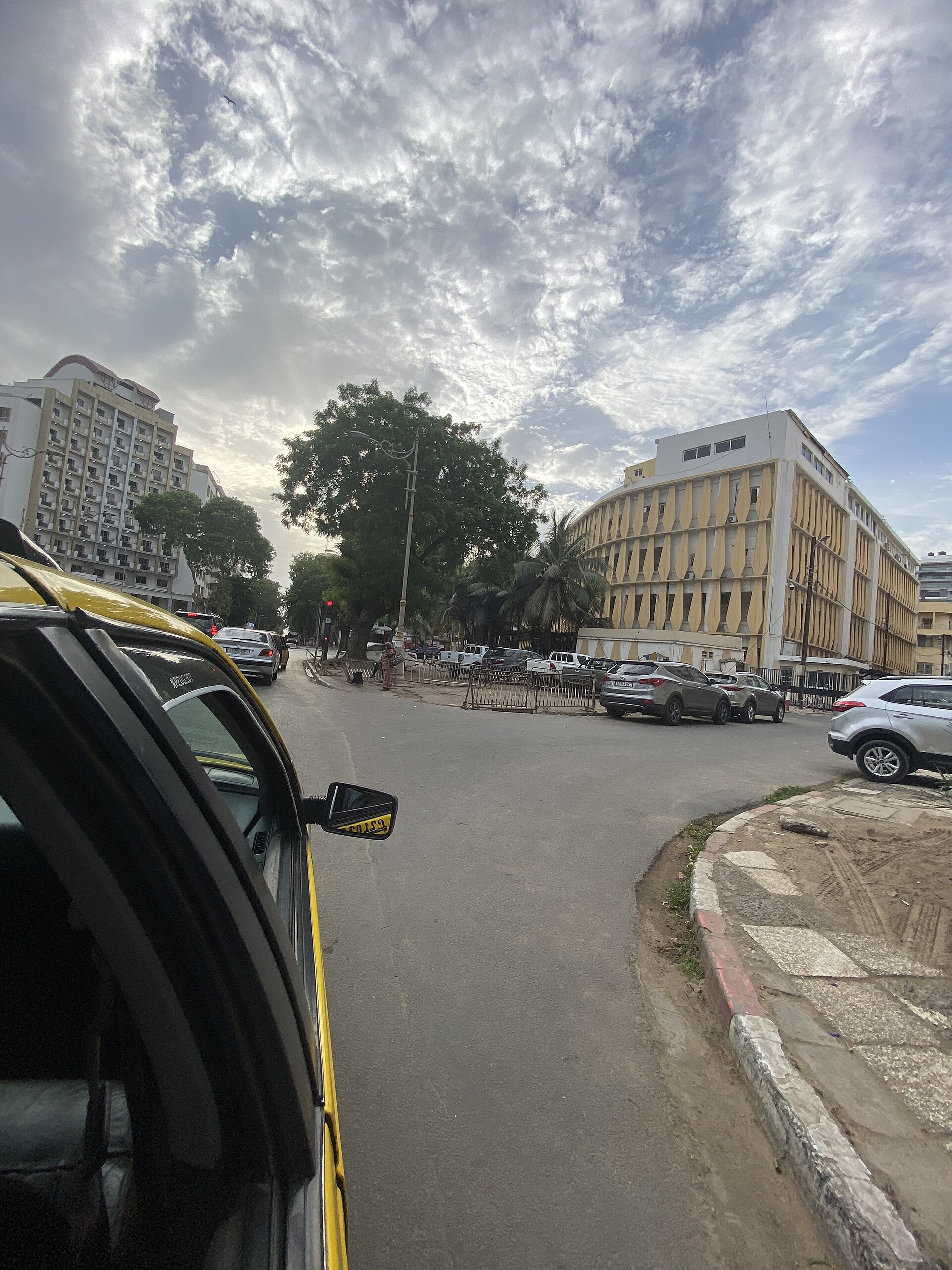
The Daniel Sorano Theatre sits quietly in the heart of Dakar-Plateau, a district where the city’s colonial past lingers in the architecture and the rhythm of life feels just a little slower. Built in 1954, when Senegal was still under French rule, the theatre was named after the celebrated French actor Daniel Sorano, though its purpose quickly evolved beyond its European origins. The building itself is a study in contrasts—clean, modernist lines softened by subtle African influences, with high ceilings and broad windows that let in the golden light of the Sahel. Inside, the auditorium wraps around the stage in a gentle curve, designed to draw the audience into whatever story unfolds beneath the lights.
When it first opened, the theatre was a place where Dakar’s intellectuals and artists gathered, a stage for French classics and political debate. But after Senegal gained independence in 1960, its role shifted. The Sorano became a platform for homegrown talent, where plays in Wolof and other local languages shared the stage with traditional music and dance. For many Senegalese, it was the first time they saw their own culture reflected in a formal theatre setting. The building wasn’t just a venue; it was a statement—proof that Senegal’s voice mattered.
Today, the theatre remains a vital part of Dakar’s cultural scene, though its programming has grown more diverse. Festivals, international performances, and experimental works now share the schedule with classic plays and folk tales. The auditorium, which seats around eight hundred, often fills to capacity, especially when the show draws on Senegal’s rich oral traditions. There’s something about the way the space holds sound—the way laughter or applause seems to linger in the air—that makes even a packed house feel intimate.
Beyond performances, the Sorano serves as a training ground for the next generation of artists. Workshops for young actors, discussions on theatre history, and lectures on contemporary art take place in its halls. For many Senegalese performers, stepping onto its stage is a milestone, a sign that their work has been recognized. Some return years later as established figures, their careers having grown alongside the theatre’s own evolution.
From the outside, the Sorano might not catch the eye—it’s modest compared to Dakar’s modern high-rises—but its significance runs deep. It’s a place where the past isn’t just preserved but actively engaged with, where new ideas take shape without erasing what came before. The building has seen decades of change, from the hopeful early years of independence to the bustling, creative energy of today’s Dakar. Walk past it on Avenue de la République, and you might not give it a second glance. But those who step inside rarely leave unchanged.
The theatre’s programming has become increasingly bold in recent years, blending traditional Senegalese stories with avant-garde techniques. One night, you might find a reinterpretation of a Wolof folktale; the next, a contemporary dance piece that challenges conventions. This flexibility keeps the Sorano relevant, a space where different generations and tastes can find common ground. It’s not just a museum of culture but a living, breathing part of the city.
What makes the Sorano special isn’t just its history or its architecture, but the way it feels alive even when the seats are empty. The walls seem to hold the echoes of past performances—the murmur of the crowd, the hush before the curtain rises, the applause that follows a particularly moving scene. There’s a sense of continuity here, a thread connecting the artists who performed decades ago to those who take the stage today.
If you find yourself in Dakar, the Sorano is worth a visit, even if there’s no show scheduled. The building itself tells a story—of a country finding its voice, of a city embracing its identity, and of the quiet power of art to bridge divides. You might not leave with a ticket stub, but you’ll carry something less tangible: the feeling of having touched a piece of Senegal’s soul.