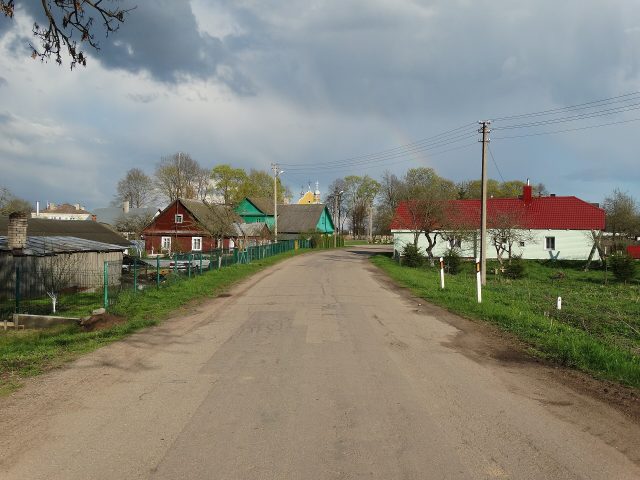
Ivye is a quiet town in western Belarus, one of those places that rarely makes it onto tourist maps but holds unexpected stories for those who seek them. Tucked away among low wooden houses on the edge of town, the Tatar mosque stands as a quiet witness to a community that once thrived here. Its simple wooden structure blends naturally with the surrounding landscape, neither grand nor imposing, yet impossible to overlook once you notice it. There’s something deeply peaceful about the way it sits, as if it has always been part of this place, rooted in the earth like the old oaks nearby.
The mosque’s history is tied to the Lithuanian Tatars, a Muslim community that settled in these lands centuries ago. In the 14th century, Grand Duke Vytautas invited them to the Grand Duchy of Lithuania, offering land in exchange for military service and loyalty. Over time, Tatars established themselves in various parts of the region, including Ivye, where they formed one of the largest Muslim communities in the area. The current mosque dates back to the 19th century, but records of an earlier prayer house in Ivye go as far back as the 16th century. It wasn’t the first building to stand here, just the latest in a long line of places where people gathered to pray.
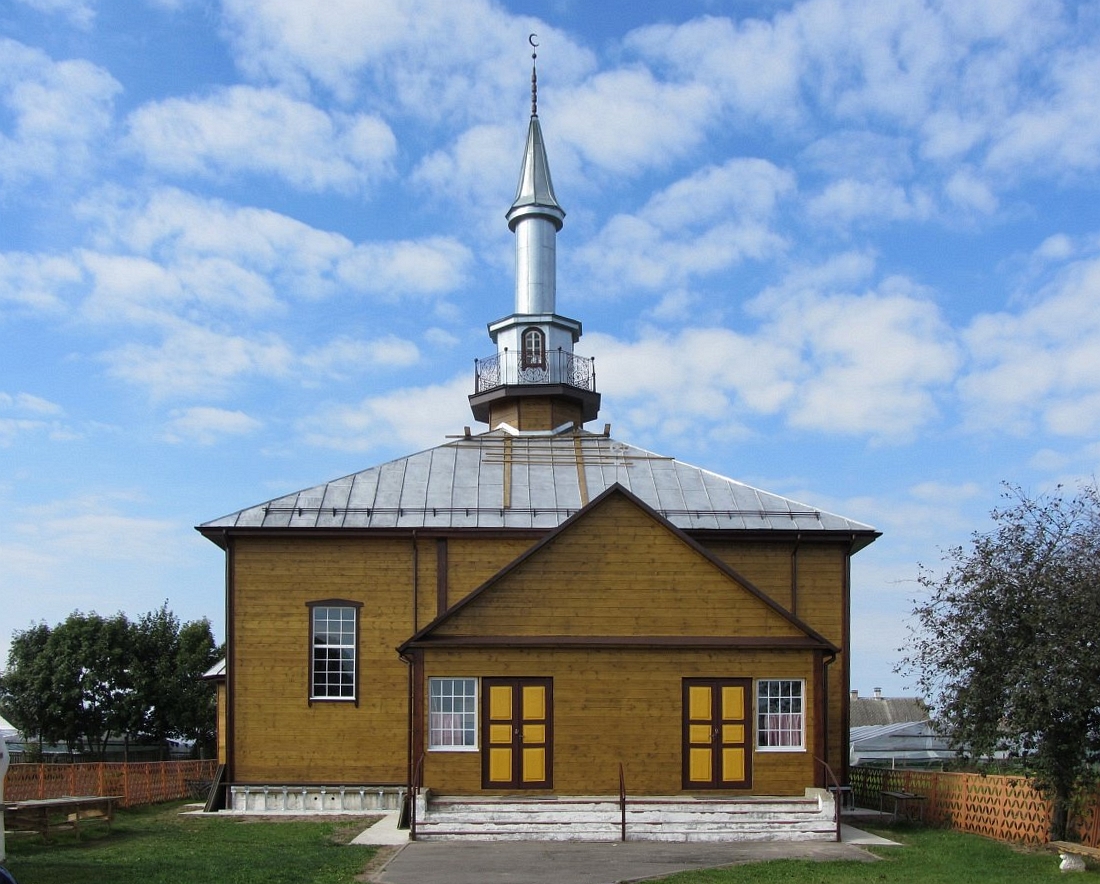
What makes this mosque unusual is its construction. Unlike the stone mosques of the Middle East or Central Asia, it’s built entirely of wood, a material common to the region. The high, four-sloped roof is crowned with a small minaret, and the facades are adorned with delicate wooden carvings around the windows. Inside, the space is modest but carefully arranged, with a mihrab pointing toward Mecca and a minbar for sermons. The simplicity of the design doesn’t diminish its presence—if anything, it makes the place feel more intimate, as though the building itself is a reflection of the community that once filled it.
Ivye’s mosque is one of the few surviving wooden mosques in Europe, which gives it a special significance. For generations, it was the heart of the local Tatar community, where people came for Friday prayers, celebrated religious holidays, and gathered for important decisions. Over time, the number of Tatars in Ivye dwindled, but the mosque remained, not just as a historical monument but as a symbol of coexistence. It stands as proof that different cultures and faiths could share the same land without conflict, each leaving its mark on the place.
Just steps away from the mosque lies an old Tatar cemetery, where weathered gravestones bear inscriptions in Arabic script. Some date back to the 18th century, their intricate patterns a silent reminder of the people who once lived here. The cemetery is quiet, almost forgotten, yet well-kept, as if someone still tends to it out of respect. Walking among the graves, you can’t help but feel the weight of time—how lives once lived here have faded into history, yet their traces remain, etched in stone.
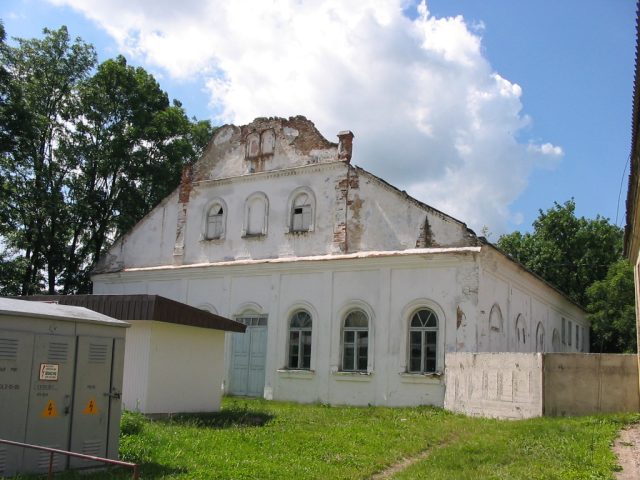
Ivye is sometimes called the town of four faiths, and it’s easy to see why. Within a short walk of each other, you’ll find the mosque, an Orthodox church, a Catholic church, and a synagogue. This closeness wasn’t accidental; for centuries, it was simply how things were. Different communities lived side by side, each shaping the town in their own way. The mosque, with its unassuming presence, played its part in this mosaic, a small but enduring piece of a larger story.
Today, the mosque is open to visitors, and people come for different reasons. Some are tourists, drawn by the rarity of a wooden mosque in this part of Europe. Others are descendants of Lithuanian Tatars, scattered across the world but still connected to this place. Inside, a small exhibition tells the story of the Tatar community in Ivye, with photographs and documents that offer glimpses into their lives. It’s a way to understand how a small group of people, far from their ancestral homeland, built a life here and left behind something that outlasted them.
Visiting the mosque isn’t just about seeing an old building. It’s a reminder of how fragile cultural heritage can be. The community that built it is long gone, yet the mosque endures, a quiet testament to their presence. Places like this have a way of making history feel tangible, as if the past isn’t just something you read about but something you can almost touch. In a country where so much has changed, the Tatar mosque in Ivye remains a rare thread connecting the present to a time when different worlds coexisted in the same small town.