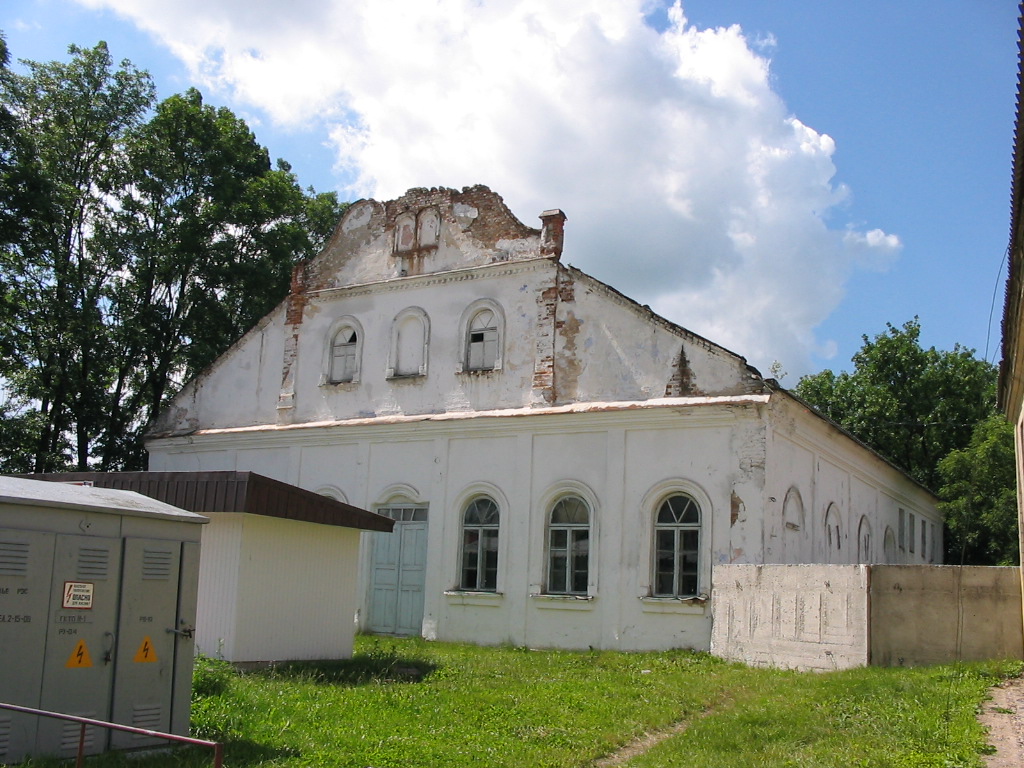
Ivye is a quiet town in western Belarus, one of those places that rarely makes it onto tourist itineraries. Yet it holds corners where the past lingers, unobtrusive but persistent. The old synagogue stands on the edge of town, slightly removed from the main streets, as if marking a presence that was once woven into the fabric of daily life here. Built in the early 20th century, it remains a quiet witness to a community that shaped the town in ways that are no longer visible.
The building is a fine example of traditional wooden architecture, common in this part of Belarus. The timber has darkened with age but retains its strength, its grain still visible beneath layers of time. The roof slopes gently, while tall arched windows let in soft, diffused light. The facade is simple, almost austere, yet there’s a warmth to it—something unassuming but enduring. Inside, the prayer hall once accommodated a balcony for women, though little of the original interior remains. Fragments of painted designs peek through the worn walls, and the space feels hollow now, as if waiting for voices that no longer fill it.
Ivye was once a center of Jewish life in Belarus. In the early 1900s, the town thrived with artisans, merchants, and teachers, and the synagogue was more than a place of worship—it was a gathering point, a hub of social and cultural life. After World War II, the community all but vanished, and the building stood abandoned for decades. Only in recent years has restoration work begun, though it’s slow, piecemeal, an attempt to salvage what can still be saved.
Today, the synagogue isn’t a museum or an active house of prayer. It’s a monument, a reminder of a culture that once flourished here. The doors are usually locked, but if you’re lucky, someone might let you in. Outside, old trees cast long shadows over a small cemetery where weathered headstones bear Hebrew inscriptions and faded dates. The place feels suspended in time, a quiet space for reflection rather than spectacle.
For those drawn to history, the synagogue offers something subtle. There are no guided tours or polished exhibits, just the chance to stand among its walls and imagine the sounds that once filled them—prayers, conversations, the hum of a community. Ivye itself is a small, unhurried town, and the synagogue is one of its few landmarks, though not the kind that demands attention. Instead, it lingers in the background, giving the place its quiet character.
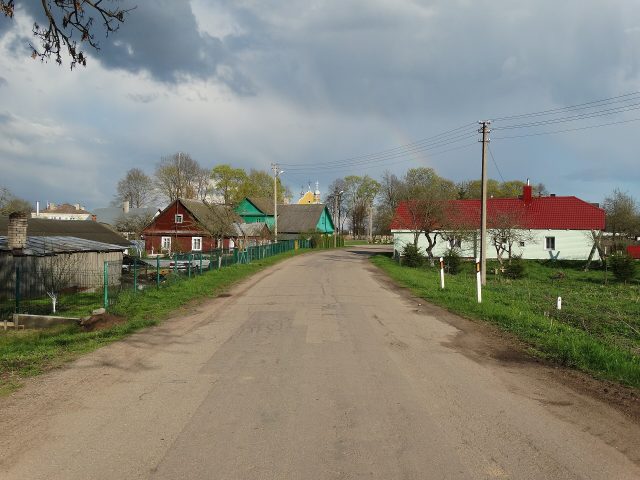
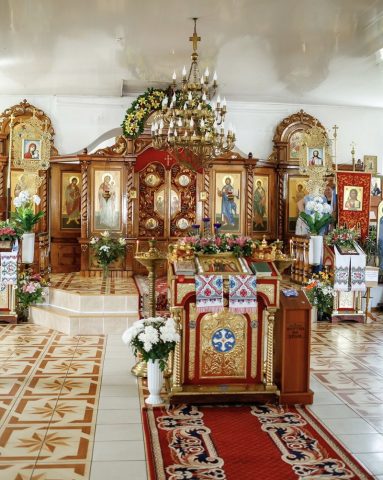
If you visit, take a walk through the surrounding streets. A few old wooden houses from the early 20th century still stand, their facades worn but sturdy. Nearby, a Catholic church and an Orthodox church share the same quiet neighborhood, a reminder that different faiths once coexisted here. The synagogue, though, feels like the most subdued of them all, a place where history isn’t celebrated so much as remembered.
In recent years, there’s been a growing interest in Belarus’s Jewish heritage, and Ivye has started to attract researchers and travelers. Perhaps one day the synagogue will find a new purpose—not as a place of worship, but as a site of memory. For now, it remains a quiet corner where history isn’t loud or dramatic, but no less meaningful for that. It’s the kind of place that doesn’t ask for much, just a moment of quiet attention.