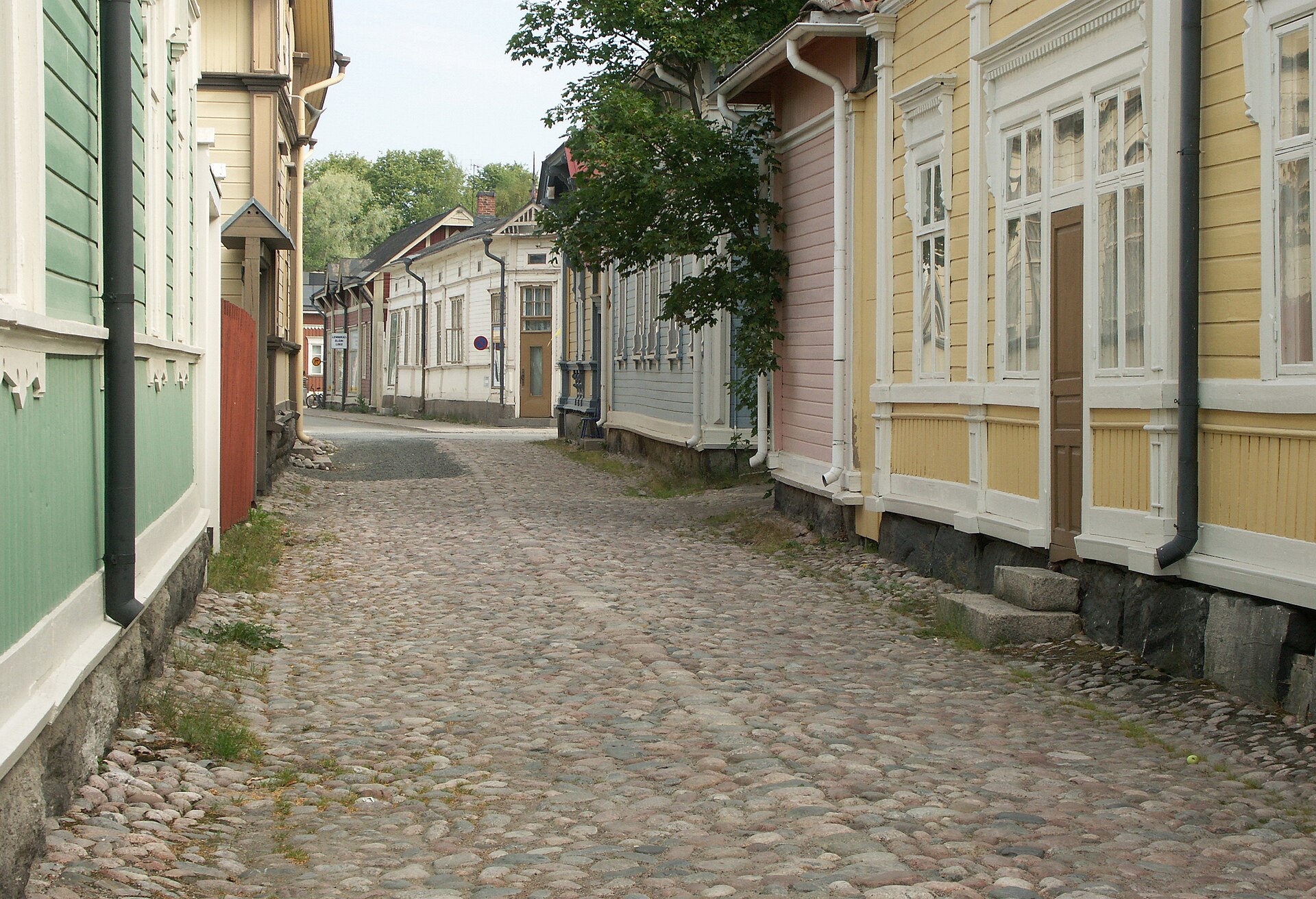
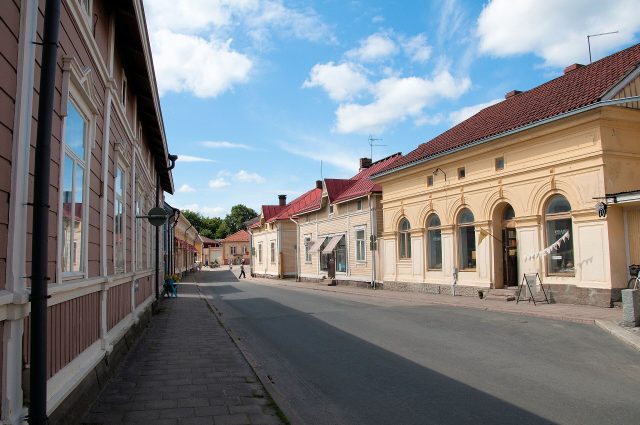
Old Rauma is one of those rare places where history isn’t just preserved—it’s still part of daily life. The narrow wooden streets, houses with carved details and painted shutters, small shops, and cafés show how people lived centuries ago without turning the town into an exhibit.
Rauma began in the 14th century as a settlement around a Franciscan monastery. Its wealth grew in the 16th and 17th centuries when it became a trading port. Timber, tar, and fish were shipped out, and merchants traded with the Hanseatic League. Many of the houses you see today were built then, when Rauma was one of Finland’s richest towns. Wood was the obvious material—plentiful and shaped by local craftsmen.
Each house in Old Rauma tells its own story. Some have detailed woodwork, others are plain, but all share the same style locals call "old Rauma." The tall gables and narrow windows are typical of northern architecture. Many of these homes belonged to merchants and their families.
You can picture them bargaining or preparing meals inside.
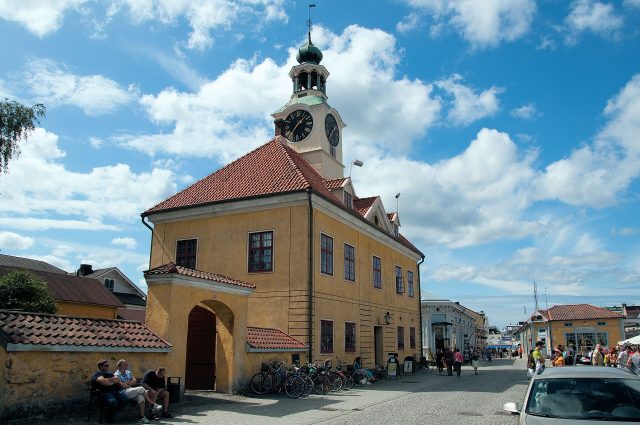
The Market Square is the center of Old Rauma. Here, trade once happened. Now, you can buy fresh fish, local cheese, or Finnish sweets. Around the square stand some of the oldest buildings, including the 18th-century town hall—now a museum. The Church of the Holy Trinity, built in the 15th century, has survived fires. Its stone walls stand out against the wooden houses around it.
Behind the houses, you’ll find hidden courtyards and gardens. In summer, apple trees bloom, and people drink coffee on verandas. Many homes are still owned by descendants of the original families. The town moves at its own pace—someone repairs a boat, another sells hand-knit socks, others sit on benches.
Winter changes Old Rauma. Snow covers the rooftops, and the streets glow under lamplight. The town grows quieter. Locals remember when winter meant sleigh races on the frozen sea and chimneys smoking in the cold. Those traditions are gone, but the feeling of an old port town remains.
Old Rauma is also about the people who live and work here. Some craft ceramics, others knit hats. There are museums, but the real experience is seeing these skills in use. In one shop, a weaver works at a loom. In another, a woodcarver shapes toys. This isn’t for show—it’s how they live.
Modern life fits into Old Rauma without taking over. Cafés serve cinnamon coffee and pastries. Guesthouses occupy restored buildings. A bookstore has a quiet corner for reading. The town keeps its balance.
Old Rauma is a UNESCO World Heritage site. It’s not just about the buildings—it’s about the quiet streets, the smell of fresh bread, and the slower pace. If you’ve had enough of city noise, this is a place to breathe.