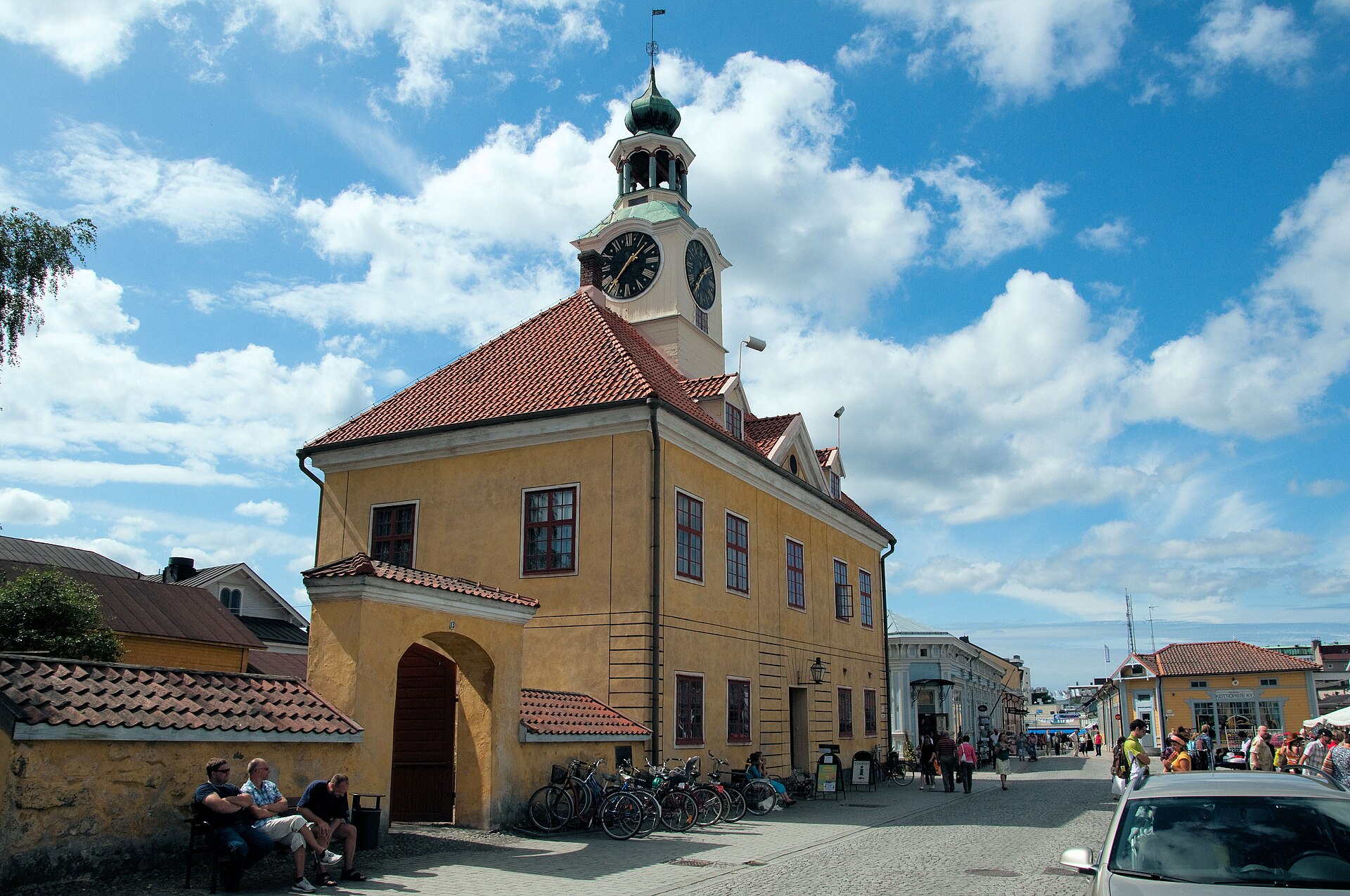
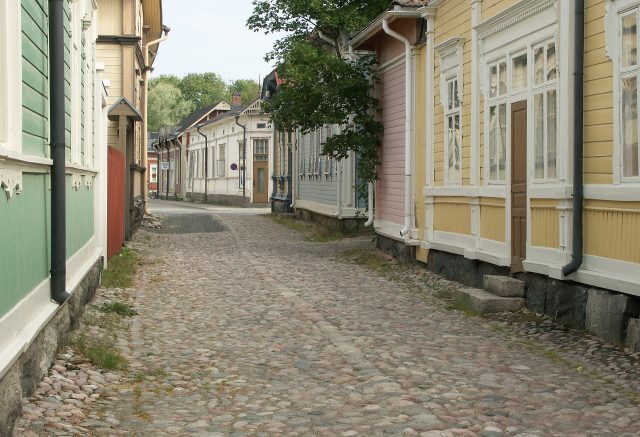
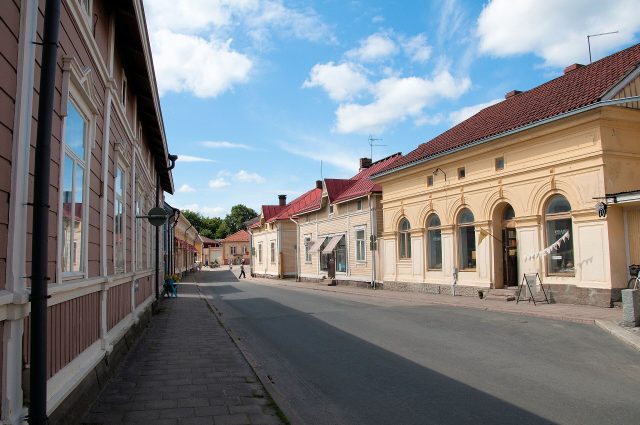
Old Rauma’s Town Hall is one of those rare places that feels like stepping into another era. Tucked into the heart of the old town, it isn’t just a government building—it’s a quiet witness to centuries of life in this Finnish coastal town. Rauma itself is famous for its UNESCO-listed wooden houses, narrow streets, and a sense that time moves a little slower here. The town hall fits perfectly into this setting, standing on a square surrounded by low, intricately carved facades that seem to whisper stories of the past.
Built in the mid-18th century, the town hall reflects Rauma’s golden age, when the town thrived as a trading hub along the Gulf of Bothnia. Back then, Rauma was a bustling port, and its wealth was visible in the careful craftsmanship of its buildings. The town hall was meant to symbolize authority and prosperity, yet it never feels imposing. Instead, it embodies the understated elegance of Finnish wooden architecture, where skill and simplicity matter more than grandeur. The carved details on its facade aren’t about showing off—they’re a testament to the hands that shaped them.
The building follows the typical style of 18th-century Finnish wooden structures: two stories tall, with a steep roof and small windows that give it a sturdy yet graceful appearance. Inside, the layout was practical—large meeting halls, offices for city officials, and storage for documents. Wood wasn’t just a building material here; it was part of the design. Even the door handles and beams were carved with care, carrying the marks of local traditions that had been passed down through generations.
Over the years, the town hall has been restored, but its essential character remains unchanged. In the 19th century, when stone buildings began replacing wooden ones across Finland, many old structures were demolished. The town hall could have met the same fate, but the city chose to preserve it, recognizing its historical value. Today, it still serves its original purpose while also offering a glimpse into Rauma’s past. Walking past it, you can almost imagine the town’s merchants and officials going about their daily business centuries ago.
The square around the town hall is where Old Rauma’s life unfolds. Throughout the year, it hosts markets, festivals, and gatherings. In summer, artisans sell handmade goods under the open sky, while winter brings festive stalls with local treats like pulla and glögi. The town hall, despite its official role, blends seamlessly into these scenes, as if it’s always been part of the rhythm of the town. It doesn’t stand apart—it belongs.
For visitors, the town hall is more than just a landmark. Even if you can’t go inside, its presence tells a story. Rauma is known for its wooden architecture, and this building is one of the finest examples of how Finns built to last without sacrificing beauty. It doesn’t have the grandeur of a European palace, but that’s not the point. Its charm lies in its modesty, in the way it fits into the town like an old friend.
Today, the town hall is more than just a historical monument—it’s a symbol of endurance. In a world that changes too quickly, it remains a steady presence, reminding us that some things hold their value over time. For locals, it’s a piece of their identity. For travelers, it’s a window into the past. And even if you only see it from the outside, a walk through Old Rauma’s streets, with the town hall at its center, leaves you with the feeling that you’ve touched something real.