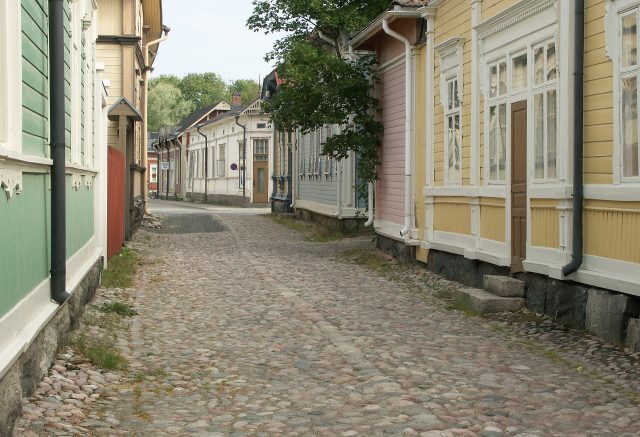
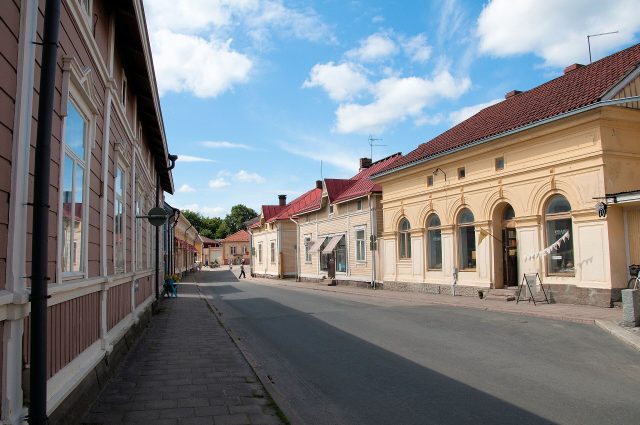
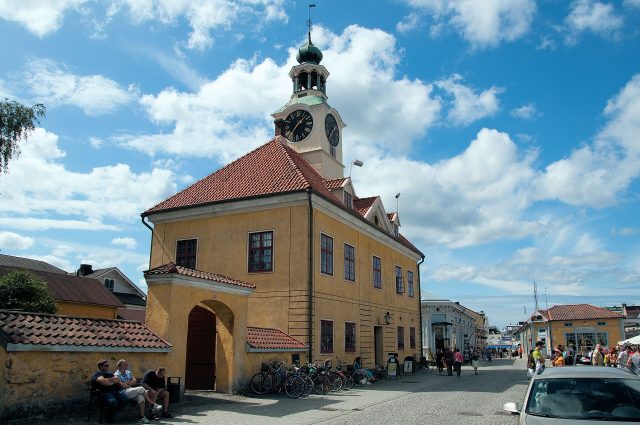
Old Rauma feels like a place where time has settled into a slower rhythm. The narrow cobblestone streets wind between wooden houses, their facades adorned with intricate carvings that hint at the craftsmanship of another era. The air carries the faint scent of salt from the nearby sea, mingling with the earthy aroma of aged timber. This is a town that has resisted the rush of modern life, preserving not just its buildings but the quiet atmosphere of a coastal community that once thrived on trade and fishing. At the heart of this living history stands the Rauma Museum, housed in a building that has witnessed centuries of daily life unfold within its walls.
The museum occupies a former merchant’s residence, constructed in the eighteenth century when Rauma was one of Finland’s most important trading ports. The house itself is a testament to the prosperity of the town during that period—spacious by the standards of the time, yet intimate in its details. The architecture is quintessentially Finnish: wooden structures built to withstand harsh winters, with low ceilings that trap warmth and thick beams that bear the weight of history. The exterior is decorated with delicate fretwork, while inside, the original features remain—wide plank floors that creak underfoot, tiled stoves that once burned through long nights, and heavy oak doors that have seen generations come and go. The building was restored with care, ensuring that every worn surface and hand-carved detail tells its own story.
The exhibits inside the museum go beyond mere artifacts; they reconstruct the daily lives of Rauma’s past inhabitants. Visitors can see the tools of trades that sustained the town—fishing gear, shipbuilding instruments, and household items that reveal how people cooked, cleaned, and clothed themselves in an era before mass production. A significant portion of the collection is dedicated to maritime history, reflecting Rauma’s deep connection to the sea. Models of sailing ships, navigational charts, and logbooks offer a glimpse into the dangers and rewards of long voyages, while documents and ledgers reveal the bustling commerce that once flowed through the port. Another section focuses on traditional crafts, from weaving and embroidery to woodworking, showcasing skills that were passed down through families and shaped the town’s identity.
What makes the museum particularly engaging is its emphasis on experience. Rather than keeping visitors at a distance, it invites them to step into the past. Workshops are held regularly, allowing people to try their hand at old techniques—whether it’s weaving on a loom, carving wood, or even baking bread in a traditional oven. In the summer, the museum’s courtyard comes alive with small markets where local artisans sell their work, echoing the trade fairs of centuries past. During the colder months, the atmosphere shifts; the crackling of a fire in one of the hearths and the soft murmur of guides sharing stories about winter festivals create a sense of warmth and continuity. These moments make history feel immediate, as if the past isn’t just preserved but still alive in some quiet way.
The museum also serves as a bridge between Rauma’s architectural heritage and its living culture. The building itself is a prime example of the town’s unique wooden architecture, which has survived largely intact—a rarity in a region where fires and redevelopment have erased so much. The careful restoration ensures that the original character remains, from the uneven floorboards to the hand-painted tiles of the stoves. Walking through the rooms, it’s easy to imagine the conversations that once took place here, the meals shared at the long wooden table, the children playing in the corners. The museum doesn’t just display history; it lets visitors inhabit it, if only for a little while.
For those interested in Finnish history, the Rauma Museum offers more than just a local perspective. It provides insight into the broader forces that shaped the country—trade routes that connected Rauma to distant ports, the influence of Swedish and Russian rule, and the gradual shift from a rural economy to industrialization. Yet the museum avoids dry academic explanations, instead focusing on the human stories behind the artifacts. A worn pair of gloves, a child’s toy, a merchant’s ledger—these objects speak of real lives, of struggles and small triumphs that don’t always make it into history books. The exhibits feel personal, as if each item has been chosen not just for its age but for the memories it carries.
A visit to the museum naturally leads to a walk through Old Rauma, where the past and present coexist in an unhurried rhythm. After seeing the tools and household items of earlier centuries, the wooden houses lining the streets take on new meaning. The town moves at its own pace: the sound of a hammer from a workshop, the scent of fresh bread from a bakery, the cry of gulls overhead. The museum helps visitors see beyond the picturesque facade, revealing the layers of history that have shaped Rauma into what it is today. It’s not just a place to observe but to feel—a reminder that history isn’t confined to museums but lives in the streets, the buildings, and the people who still call this town home.
Perhaps that’s why the Rauma Museum leaves such a lasting impression. It doesn’t present itself as a grand monument to the past but as a quiet conversation with it. The exhibits, the building, the workshops—all of it feels like an invitation to slow down and consider how little some things have changed. People still value craftsmanship, community, and the simple comforts of home. In that sense, the museum isn’t just about Rauma’s history; it’s about the threads that connect us to those who came before. And in a world that often feels disconnected from the past, that’s a rare and valuable thing.