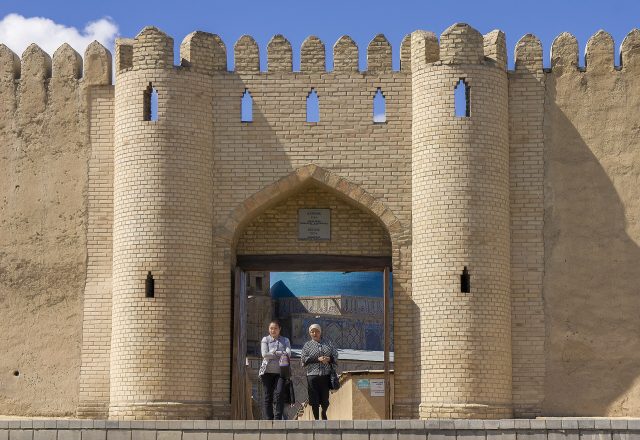
Old Ikan Bazaar feels like a place where time moves differently. The moment you step beneath its low, wooden roofs, the rhythm slows. Tucked into the old town, it isn’t just a market. It’s where the city’s past and present meet in the daily lives of those who come here. The air carries the scent of fresh bread, dried herbs, and spices before you see the stalls. Bargaining, laughter, and clinking teacups blend into a familiar hum. Tradition isn’t preserved behind glass—it’s lived in how people trade, what they sell, and the stories they tell.
The architecture here doesn’t demand attention. It draws you in quietly. The market is built from brick and timber, its narrow passageways lined with stalls that have stood for decades. The roofs, patched and weathered, offer shade from the sun and shelter from rain. Open counters spill over with produce, textiles, and handmade goods. No fluorescent lights or self-checkout lanes. The pace is set by vendors who know their regulars by name. Customers take their time inspecting goods, sipping tea, and catching up.
Centuries ago, Ikan was a stop along the Silk Road. This bazaar was already a hub. Merchants traveling between East and West paused here to trade goods, restock, and exchange stories. Over time, the market grew but kept its purpose: a place where people gathered not just to buy and sell, but to connect. Even as modern shops and malls appeared, the bazaar remained the town’s social and economic heart. For many, it’s a link to the past—a reminder of how ancestors lived and bartered.
Stalls here hold fresh vegetables and fruits. You’ll find kurt, dried balls of fermented milk, and irimshik, a crumbly cheese common in Kazakh households. Spices—cumin, coriander, paprika—are sold in heaps. Meat vendors carve freshly butchered cuts in plain sight. Fishmongers clean their catch from nearby rivers. Handwoven textiles, felted slippers, and jewelry carry the marks of their makers. Vendors explain the history behind their goods or offer a taste before you buy.
But the bazaar is about the people.
In the early hours, elderly men and women drift between stalls, stopping to chat with vendors they’ve known for years. Young mothers push strollers through the crowds. Tourists wander, cameras in hand. Vendors, some working side by side for decades, mix jokes, complaints, and shared memories. A transaction here isn’t just an exchange of money—it’s an interaction. Often, it comes with a cup of tea and a few minutes of conversation. Even if you leave empty-handed, someone will ask where you’re from or wish you a good day.
The market follows its own rhythm. Dawn is the busiest time. Farmers and producers arrive to set up, filling the air with the scent of fresh bread and strong coffee. By midday, crowds move through the narrow aisles. As evening approaches, the pace slows. The last of the day’s produce is sold at a discount. Weekends bring villagers from surrounding areas. On these days, the bazaar feels like a festival—live music, impromptu dancing, or food cooked on the spot.
For anyone trying to understand Ikan, the bazaar is the place to start. There’s no pretense. The goods are real, the people are genuine, and the atmosphere is unfiltered. You could spend hours wandering, watching transactions unfold, listening to conversations, and soaking in the details. Even without buying anything, the visit is worth it. It’s a chance to see how the town’s residents live—to witness the small rituals of their daily lives.
Time doesn’t just pass here. It lingers.
The bazaar isn’t frozen in time. New products appear, old stalls close, and younger generations shop elsewhere. But its essence remains. Tradition isn’t a relic—it’s part of the present. In another decade, the market might look different. For now, it holds onto the spirit of old Ikan, the town that still exists in the memories of those who remember it.