The Seyni Kountché Stadium stands as one of Niamey’s most recognizable landmarks, not just for its size but for the role it plays in the life of the city. Named after the former military leader who governed Niger from 1974 to 1987, the stadium is a hub for sports, gatherings, and national events. Its presence on the edge of the Niger River gives it a striking backdrop, especially at dusk when the setting sun reflects off the water and the floodlights begin to glow.
Built in the late 1980s, the stadium was designed to accommodate large crowds, with a capacity that once made it the largest in the country. Over the years, it has hosted everything from football matches to political rallies, concerts, and even religious gatherings. The architecture is functional rather than ornate, with a circular design that ensures visibility from nearly every seat. The stands rise in tiers, their concrete structure weathered by time but still sturdy, a testament to the practical needs of a growing city.
Football is the heartbeat of the stadium. On match days, the air fills with the chants of supporters, the scent of grilled meat from vendors outside, and the occasional roar of the crowd when a goal is scored. The national team, the Mena, has played here countless times, and the stadium has seen its share of triumphs and heartbreaks. For many locals, the stadium isn’t just a place to watch sports—it’s where memories are made, where families gather, and where the pulse of the city quickens.
Beyond sports, the stadium has served as a stage for larger moments in Niger’s history. Political speeches, national celebrations, and even protests have unfolded within its walls. During major events, the surrounding streets buzz with activity, as traders set up stalls selling food, drinks, and team merchandise. The atmosphere is electric, a mix of anticipation and community spirit that feels uniquely Niamey.
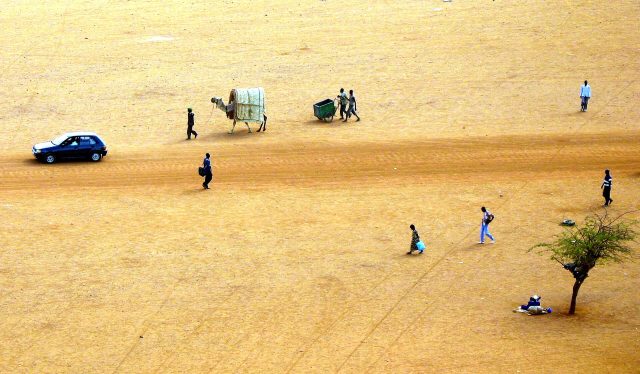
The stadium’s location near the Niger River adds to its charm. On quieter days, when no events are scheduled, the area around it becomes a place for leisurely walks. Locals often stroll along the riverbank, watching the water flow past or stopping to chat with friends. The stadium itself, with its vast empty stands, takes on a different character—less a symbol of excitement and more a quiet part of the city’s landscape.
Over the years, the Seyni Kountché Stadium has seen renovations, though its core remains unchanged. The pitch has been resurfaced, seating areas updated, and facilities improved, but the essence of the place endures. It’s a space that adapts to the needs of the city, whether that means hosting a high-stakes football match or providing shelter during heavy rains. For many in Niamey, it’s simply part of the fabric of daily life.
Visitors to the stadium might not find the grandeur of some of the world’s more famous arenas, but that’s not the point. What makes it special is its authenticity. It’s a place where the energy of the crowd feels raw and unfiltered, where the stakes of a game matter deeply to those watching, and where the history of Niger is reflected in the stories told within its walls. Whether you’re there for a match, a concert, or just to soak in the atmosphere, the stadium offers a glimpse into the soul of Niamey.