St. Francis Pro-Cathedral is one of those quiet places that doesn’t demand attention but lingers in the mind long after you’ve left. Tucked away on a street in the heart of Libya’s capital, it stands as a subtle reminder of a time when Tripoli was a very different city. The cathedral isn’t just a place of worship—it’s a fragment of history, a silent witness to the layered relationship between Europe and North Africa.
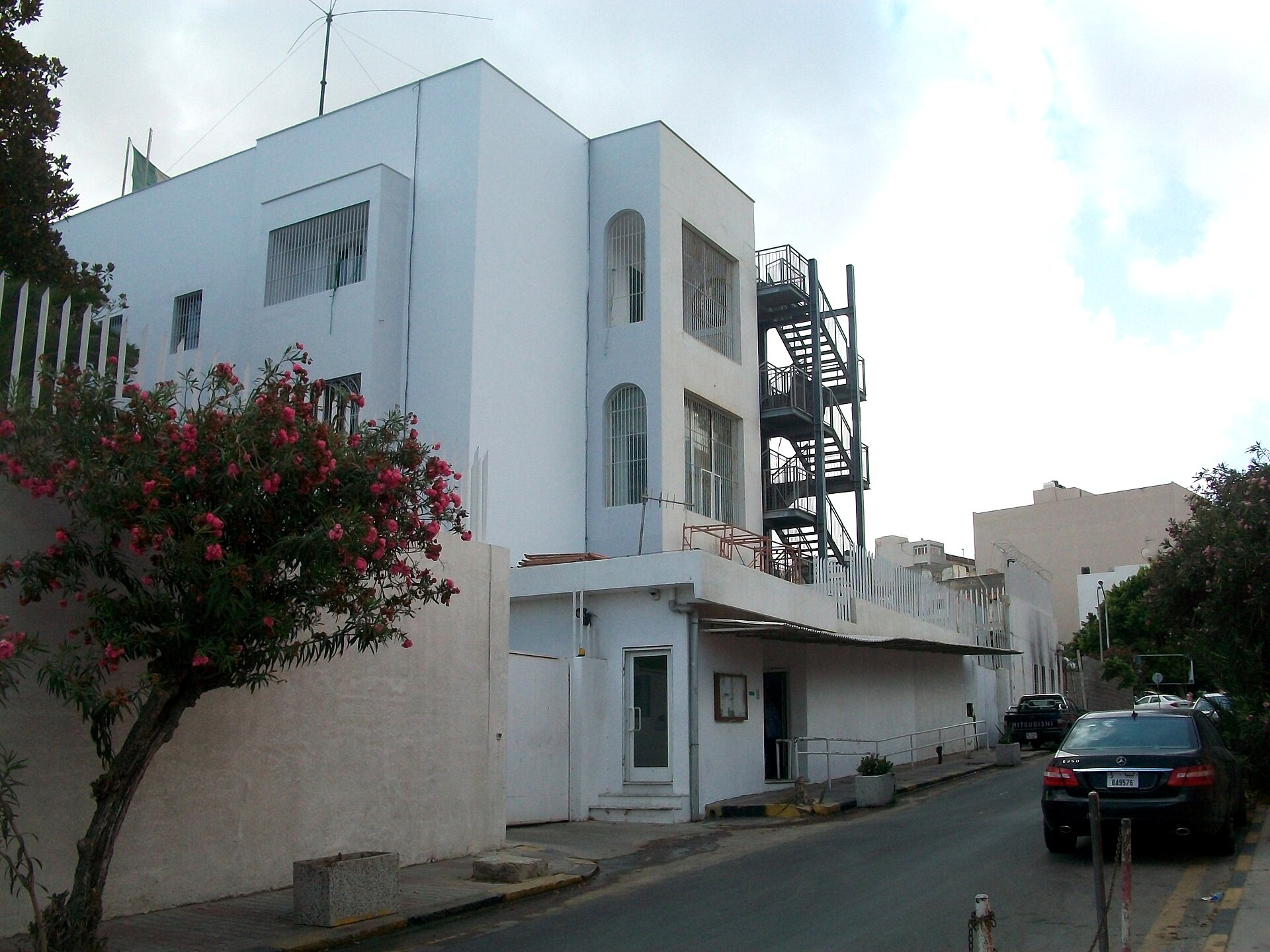
Built in the early 20th century, when Libya was under Italian colonial rule, the cathedral was part of a broader transformation of Tripoli. The city was being reshaped with wide boulevards, administrative buildings, and churches rising alongside traditional structures. St. Francis became a symbol of the Catholic community’s presence in a predominantly Muslim region. Its architecture reflects the styles of the time—a blend of neoclassical and neo-Romanesque elements, with a restrained facade that balances simplicity and dignity. There’s no grand ornamentation, just clean lines and proportions that give the building its character.
Inside, the cathedral once followed the familiar rhythms of Catholic church design. High vaulted ceilings, stained glass, and a modest yet expressive altar created an atmosphere of contemplation. In its early years, the cathedral wasn’t just a religious space but a cultural hub for Tripoli’s European residents. Concerts and gatherings took place here, offering a point of connection in a city where religious traditions ran deep.
When Libya gained independence in the mid-20th century, the role of the cathedral began to shift. The Italian community gradually left the country, and the building lost much of its original purpose. By the 1970s, as Islamic influences grew stronger in Libya, many Christian churches were closed or repurposed. St. Francis narrowly avoided that fate, but its significance dwindled. Today, it remains an active place of worship, though on a smaller scale. The Catholic community in Tripoli is now small, and the cathedral serves more as a relic of the past than a religious center.
From the outside, the building shows signs of age, though it still holds its architectural integrity. It doesn’t draw crowds of tourists, and that’s part of its appeal. The streets around it pulse with the energy of modern Tripoli—cars honking, vendors calling out, people hurrying past—but the cathedral stands apart, a quiet observer of change. It has weathered wars, political upheavals, and shifting ideologies, yet it remains, unassuming and steadfast.
For those curious about Libya’s history, St. Francis offers a small but meaningful piece of the puzzle. It’s a reminder that Tripoli has always been a crossroads of cultures, where Mediterranean, African, and European influences have intertwined. The cathedral’s story isn’t just about faith—it’s also about politics, colonialism, independence, and the relationship between the Arab world and the West. Today, it’s less a destination for pilgrims and more a place to pause and reflect on how cities evolve while still carrying the weight of their past.
Visiting the cathedral isn’t about grand revelations or dramatic discoveries. Tripoli is often associated with ancient ruins, desert landscapes, and recent conflicts, but this unassuming building tells a different kind of story. It doesn’t offer spectacle, and that’s why it matters. Some of the most compelling places are the ones that don’t try to impress—they simply exist, quietly holding onto the layers of time. St. Francis is one of them.