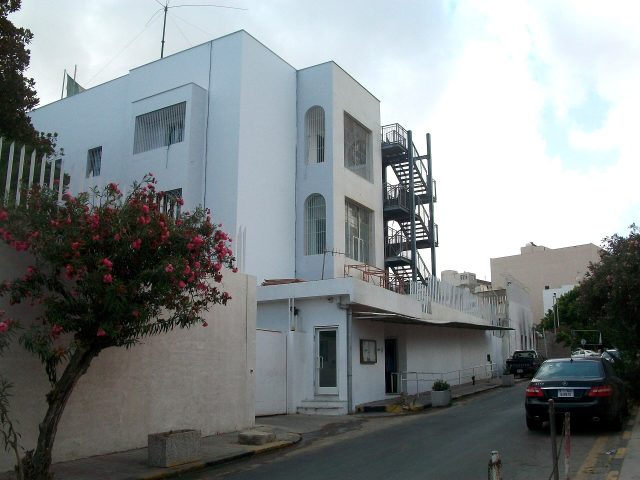
The Red Castle Museum in Tripoli is one of those rare places where history isn’t just displayed—it’s felt. The building itself, a striking relic of Libya’s turbulent past, was constructed in the early 20th century during Italian colonial rule, originally serving as the governor’s residence. Its architecture blends European neoclassical grandeur with local influences, marked by towering columns, vast halls, and inner courtyards where the footsteps of officials and dignitaries once echoed. The deep red hue of its façade, more than just an aesthetic choice, became a symbol of the authority that once governed from within these walls.
After Libya gained independence, the palace didn’t fade into obscurity. Instead, it was repurposed in the 1950s as a museum, transforming into a repository of artifacts that span the nation’s layered history. The exhibits here don’t just chronicle one era—they weave together threads from Libya’s ancient past and its more recent struggles. Visitors can trace the footsteps of the Phoenicians and Romans, whose civilizations once thrived along these shores, or explore the Islamic period through delicate manuscripts, intricate ceramics, and ornate weaponry. The museum also touches on modern history, with displays that reflect the country’s fight for independence and its evolving identity.
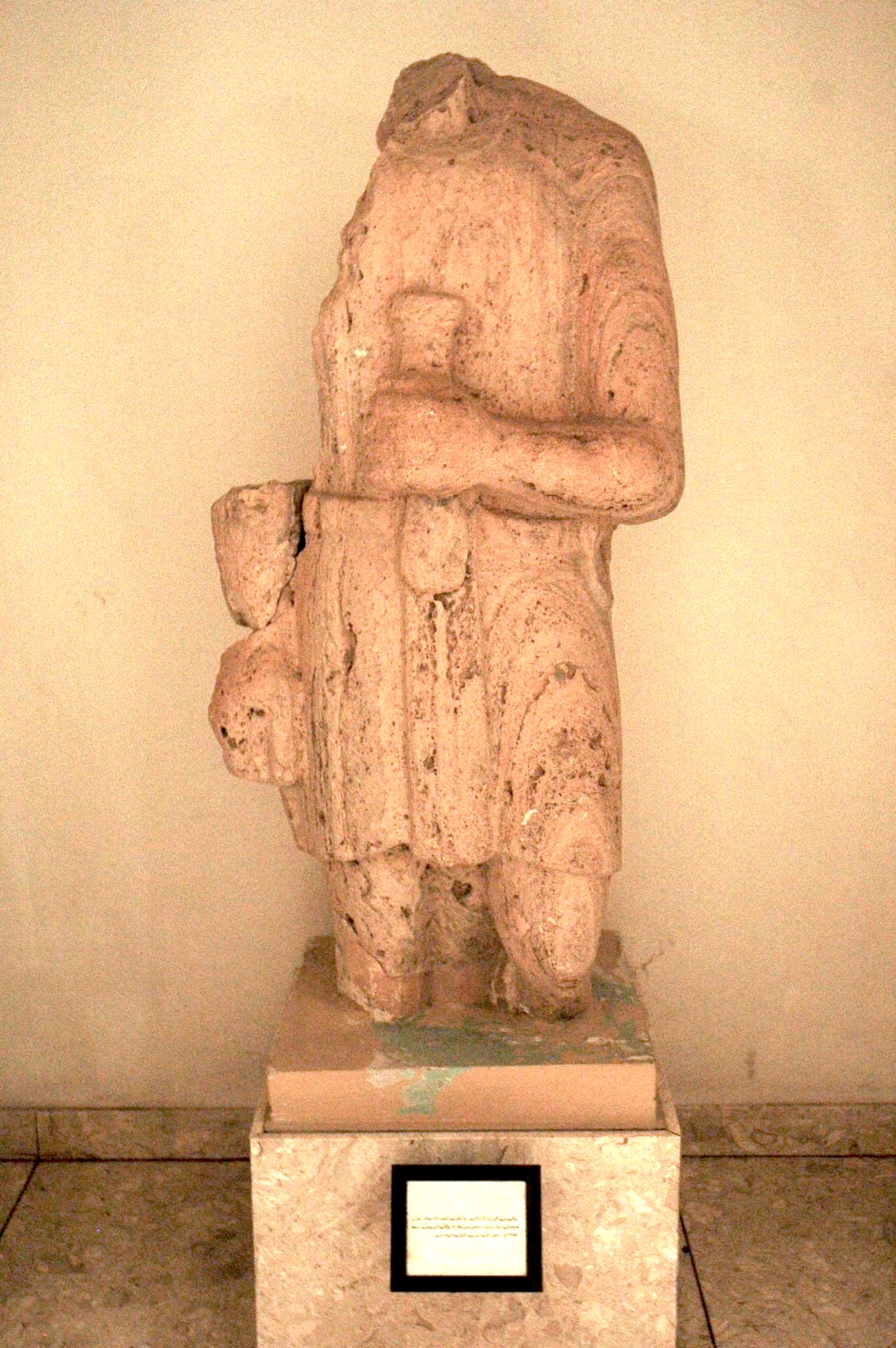
Walking through the museum’s galleries is like moving through time. One wing houses mosaics and sculptures from the Roman cities of Leptis Magna and Sabratha, both UNESCO World Heritage sites and once vital centers of the empire in North Africa. These artifacts, recovered from archaeological digs, stand as testament to the region’s former glory. Nearby, exhibits dedicated to Libya’s indigenous Berber tribes offer a glimpse into a way of life that predates foreign conquest. Traditional clothing, silver jewelry, and everyday objects reveal how these communities preserved their customs across generations, adapting to the harsh landscapes of the desert and mountains.
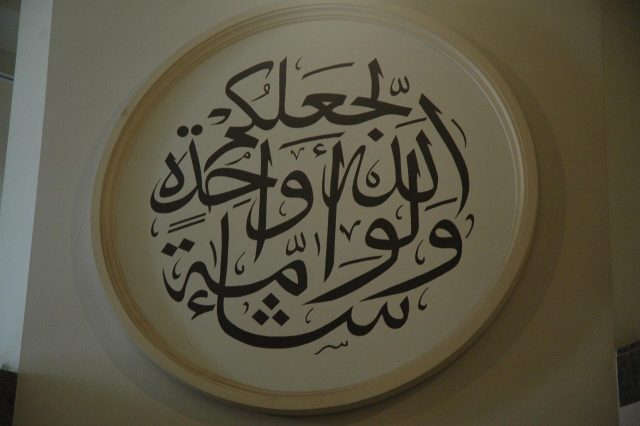
The Islamic art section is particularly striking. Here, rare handwritten copies of the Quran, some dating back to the medieval period, are displayed alongside intricate metalwork and glassware. These pieces reflect a time when Libya was part of vast caliphates, and Tripoli served as a crucial hub for trade and culture between the Maghreb and the Middle East. The craftsmanship on display speaks to a rich tradition of artistry, where local techniques merged with broader Islamic influences.
The palace itself is as much a part of the experience as the exhibits. Its soaring ceilings, marble staircases, and carved wooden panels create an atmosphere where history feels tangible. Some rooms still bear their original decor, a quiet reminder of the decisions and events that unfolded within these walls. Even when descriptions are sparse or labels missing, the space itself tells a story—one of power, change, and resilience.
Political upheavals in recent decades have made the museum’s accessibility unpredictable. There have been times when the Red Castle closed indefinitely, its collections temporarily relocated for safekeeping. Yet when its doors do open, it remains one of the few places in Tripoli where visitors can engage with Libya’s history in all its complexity. There’s no grand narrative imposed here, no attempt to simplify the past. Instead, the museum presents history as it is—layered, contradictory, and deeply human.
For those curious about Libya beyond its ancient ruins, the Red Castle offers a nuanced perspective. It doesn’t just showcase relics; it invites reflection on how the past shapes the present. A Roman coin unearthed in the desert, a Berber carpet woven by hand, or a colonial-era document—each item carries its own story, contributing to a broader understanding of a nation that has seen empires rise and fall. The museum’s greatest strength lies in its restraint. It doesn’t claim to have all the answers, but it doesn’t need to. The artifacts speak for themselves, revealing a history that is as rich as it is complicated.