The Red Palace, or As-Sarai al-Hamra, stands in the heart of Tripoli’s old city like a quiet guardian of the past. Its walls, worn by centuries, still carry the echoes of a time when the city was a thriving hub of trade and culture along the Mediterranean. Unlike the bustling streets just beyond its gates, the palace feels suspended in another era, where the influences of Berber, Arab, Ottoman, and even European merchants blend into something uniquely Libyan. It isn’t just a relic of architecture; it’s a place where history feels tangible, as if the stones themselves remember the people who once walked these halls.
Built in the 16th century under Ottoman rule, the palace was originally the residence of Tripoli’s governors. Its name, meaning "Red Palace," likely comes from the color of its walls or tiles, though time has softened them into muted shades of ochre and sand. The design is classic Ottoman—thick walls, inner courtyards with fountains, and intricately carved wooden ceilings—but with a distinctly local touch. The arches and doorways are adorned with traditional Libyan patterns, a subtle reminder that even under foreign rule, the city retained its own identity. The central courtyard, once the heart of the palace, was designed to offer respite from the heat, with high ceilings and a small fountain that cooled the air while adding a sense of tranquility.
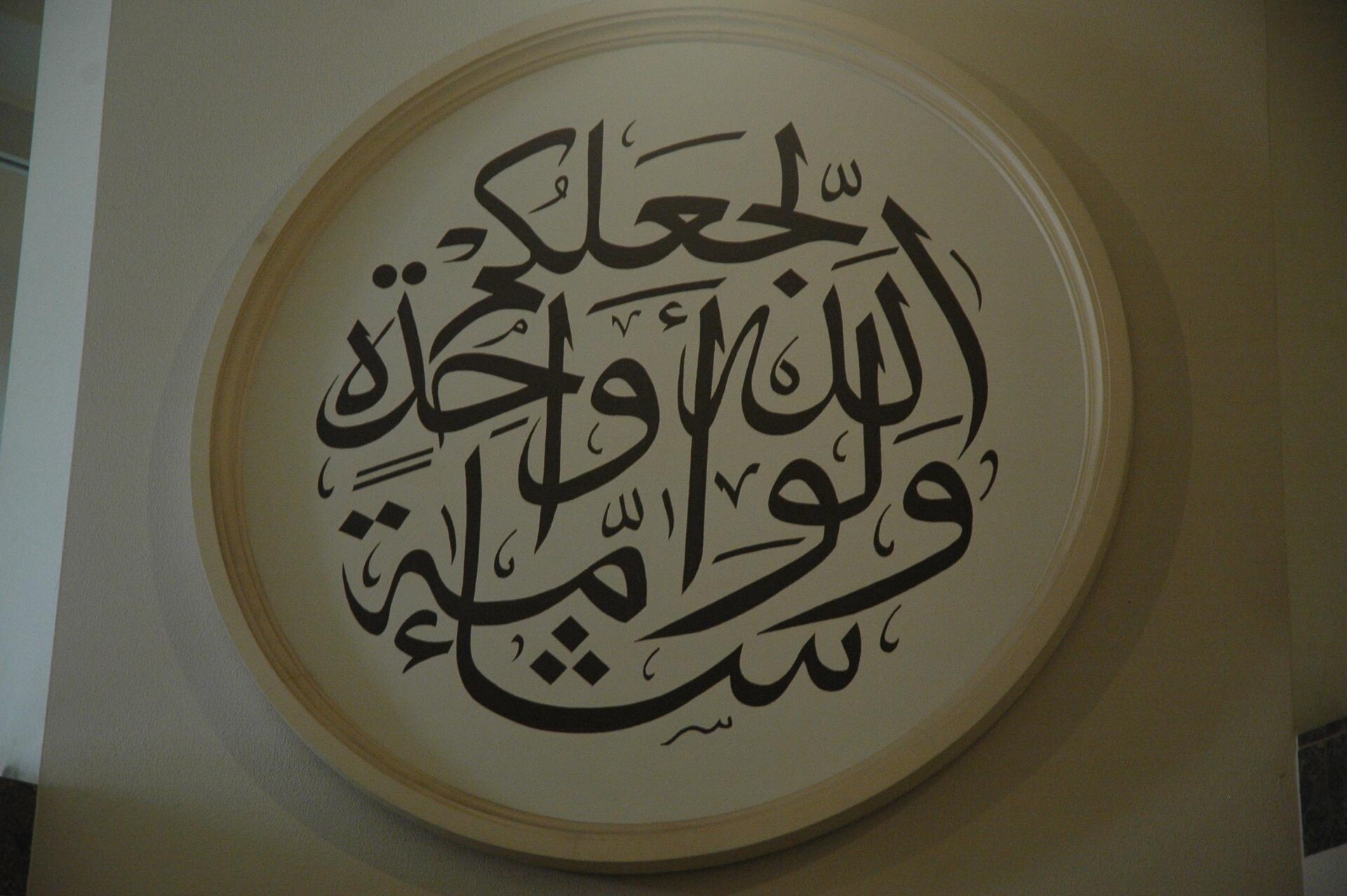
Inside, the palace must have been a spectacle of opulence in its prime. Some of the original frescoes remain, their floral and geometric motifs faded but still striking. In certain rooms, fragments of marble panels and carved wood hint at the grandeur that once filled these spaces. The main hall, where officials and guests gathered, still bears traces of its former glory, though much of it has succumbed to the slow decay of time. The courtyard, with its fountain and shaded walkways, was where diplomacy and celebration unfolded—where deals were struck, alliances formed, and the rhythms of daily life played out against the backdrop of the palace’s enduring walls.
The palace has seen its share of transformations. In the 17th century, when Tripoli became a center of piracy, it served not just as a residence but as a negotiating ground for European powers. Later, under more stable Ottoman control, it became an administrative hub, where trade and taxes were managed. These shifts left their mark on the building: some halls were expanded, new wings added, and older rooms repurposed for storage or servants’ quarters. The layers of history are visible in the architecture, where Ottoman grandeur meets the practical needs of a city evolving under changing rulers.
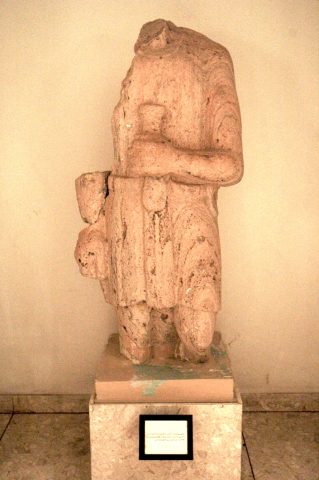
Today, the Red Palace is open to visitors, though it’s far from the polished tourist attraction one might expect. Some areas have been restored, but many remain in a state of gentle neglect, which only adds to the place’s charm. There are no crowds here, no flashy exhibits—just the quiet hum of history waiting to be discovered. The worn steps, the chipped paint revealing older layers beneath, the rusted door handles that have seen centuries of use—all of it tells a story without words. A few displays of pottery, coins, and weapons are scattered throughout, but they don’t overshadow the palace itself. Instead, they feel like natural extensions of its past, small pieces of a much larger puzzle.
What makes As-Sarai al-Hamra special isn’t just its architecture or its age, but the way it connects the present to the past. Walking through its corridors, it’s easy to imagine the bustle of Ottoman officials meeting with European merchants, the clink of glasses during lavish feasts, or the quiet footsteps of servants carrying trays of sweets through the halls. The palace was a witness to Tripoli’s golden age, a time when the city was a crossroads of cultures and commerce. Even now, as the modern city sprawls beyond its walls, the Red Palace stands as a reminder of what once was.
Visiting the palace isn’t like touring a museum. There are no guided audio tours or interactive displays, no carefully curated narratives. Instead, it’s an experience that unfolds at its own pace. Some visitors might be drawn to the grand halls where history was made, while others will linger in the quieter corners, lost in thought about the countless lives that have passed through these rooms. The beauty of As-Sarai al-Hamra lies in its authenticity—it doesn’t need to impress or entertain. It simply exists, offering a glimpse into a world that has long since faded, yet still lingers in the stones and shadows of Tripoli’s old city.