The Islamic Museum of Tripoli is one of those rare places where history doesn’t just sit behind glass—it lingers in the air, woven into the very fabric of the building and its collections. Housed in a former Ottoman madrasa, the museum itself is a piece of living heritage. The thick stone walls, arched doorways, and intricately carved mihrabs—niches pointing toward Mecca—hint at its past as a center of learning, where students once gathered to study the Quran, law, and the sciences. The wooden beams overhead still seem to echo with the murmur of voices and the rustle of parchment, a quiet reminder of the knowledge that once filled these halls.
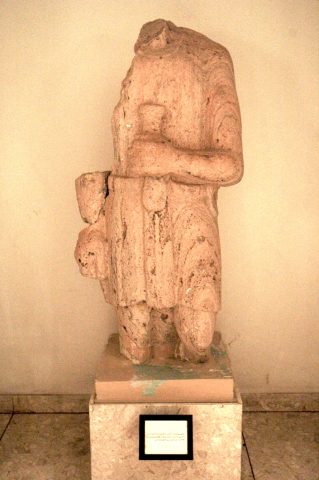
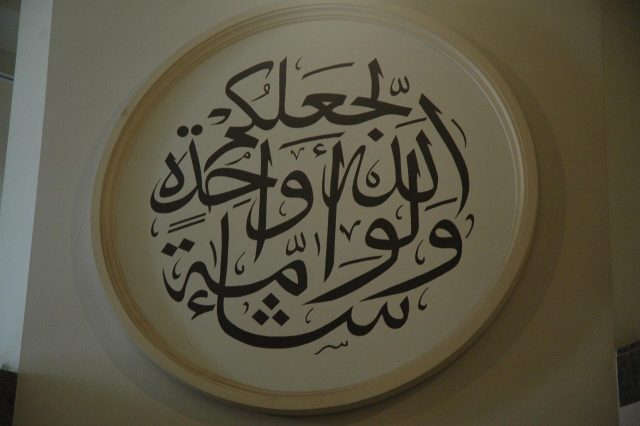
The museum’s collection spans centuries of Islamic culture, but it doesn’t overwhelm with grand narratives or exhaustive chronologies. Instead, it offers a carefully curated glimpse into the everyday lives, beliefs, and craftsmanship of the people who shaped this region. Ceramic plates adorned with geometric patterns, coins bearing elegant Arabic calligraphy, and astrolabes used for navigation tell stories of trade, scholarship, and artistry. Among the most striking pieces are the Quranic manuscripts, some written on parchment, others on handmade paper, their pages alive with delicate miniatures and calligraphy so precise it feels like an art form in itself.
What makes the museum particularly compelling is its focus on the ordinary alongside the extraordinary. While there are objects that once graced palaces and mosques, there are also humble items that reveal how people lived: copper trays, clay jugs, and wooden chests reinforced with metal, the kind of goods that might have traveled across the desert in caravans. Some exhibits reflect Sufi traditions, others showcase crafts passed down through generations. Together, they create a sense of connection—not just to history, but to the hands that shaped these objects and the lives they touched.
The textile collection stands out as a highlight. In one of the galleries, handwoven carpets unfurl across the floor, their patterns a language of symbols—each motif carrying meaning, whether a wish for protection, prosperity, or remembrance of ancestors. Nearby, embroidered garments and woven coverlets offer a glimpse into the clothing of Tripoli’s past, their stitches still holding the warmth of the people who wore them. These pieces aren’t just decorative; they’re a testament to the skill and creativity of artisans who turned everyday materials into something enduring.
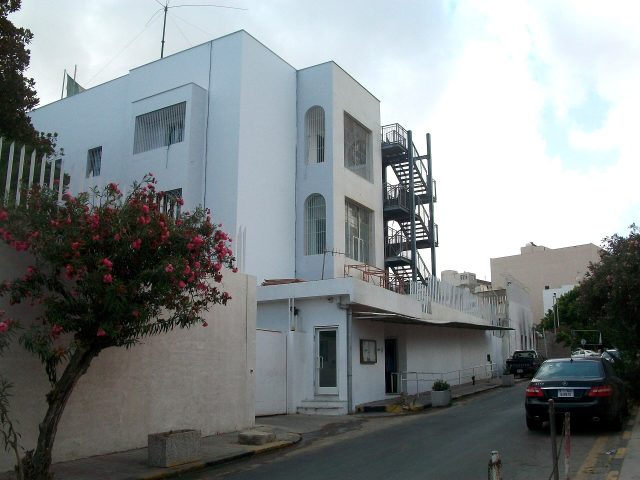
The museum is tucked away in the heart of Tripoli’s old city, a neighborhood where time moves at its own pace. Narrow streets wind past Ottoman mansions, Italian colonial buildings, and simple clay houses, each layer of architecture telling its own story. The museum fits seamlessly into this landscape, not as a grand attraction, but as a quiet presence, a place where the past feels close enough to touch. It doesn’t demand attention; it simply exists, a silent witness to the centuries that have shaped this land.
Visiting the museum is less about ticking off a tourist checklist and more about stepping into a space where history feels tangible. In a country like Libya, where the past is often overshadowed by more recent upheavals, places like this serve as a reminder that art and tradition endure. There’s no pomp or spectacle here—just a quiet reverence for the stories embedded in each object, stories that don’t need fanfare to be meaningful.
On a quiet day, when the museum is nearly empty, the experience becomes even more intimate. The cracks in an ancient ceramic vase, the faint wear on a wooden panel, the subtle hues of a faded textile—these details reveal themselves slowly, inviting closer inspection. It’s in these moments that the museum feels most alive, as if the walls themselves are whispering stories meant only for those willing to listen. This isn’t a place designed for crowds; it’s a space for reflection, for those who seek a deeper understanding of the past and its quiet, enduring presence in the present.