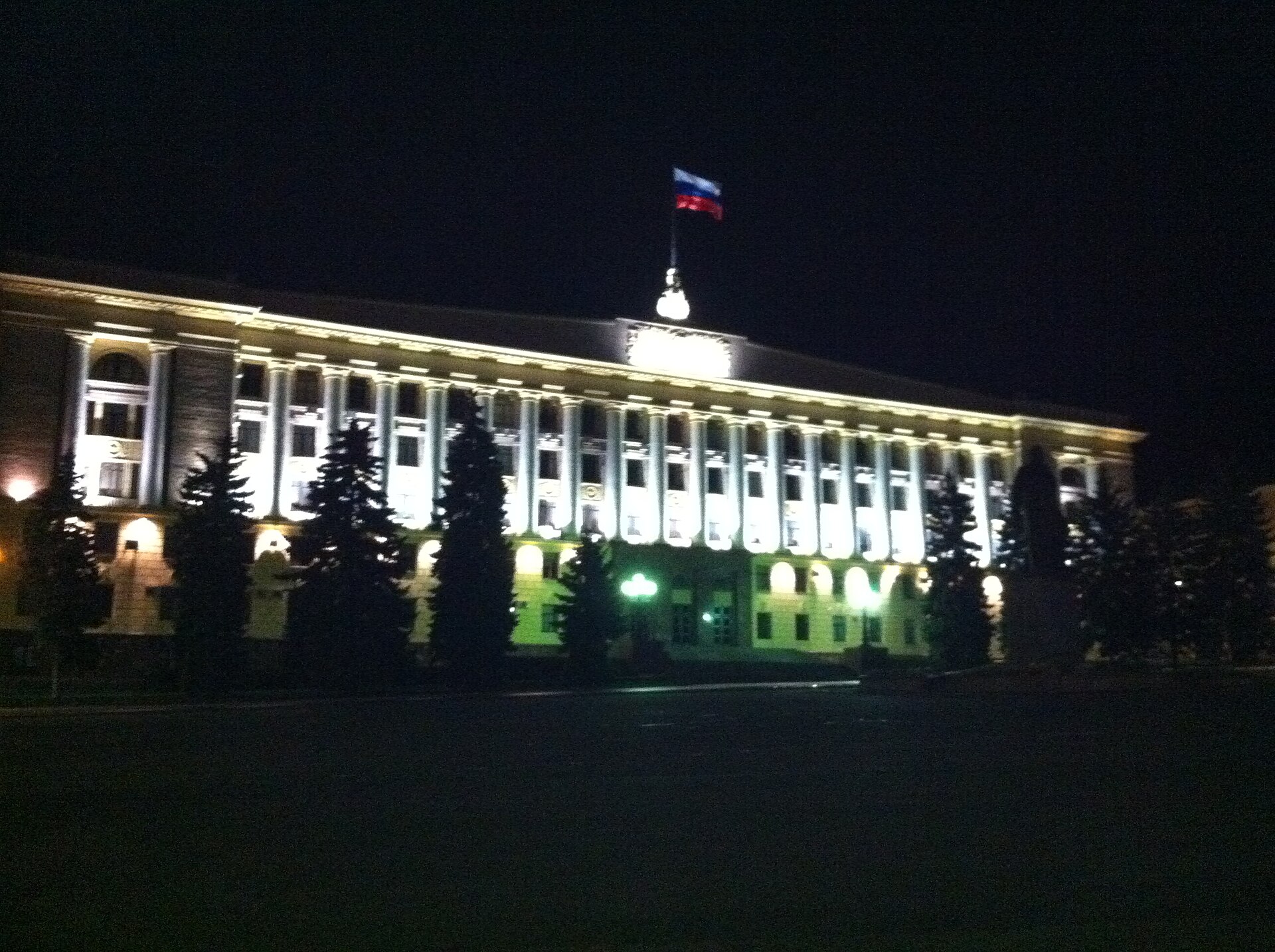
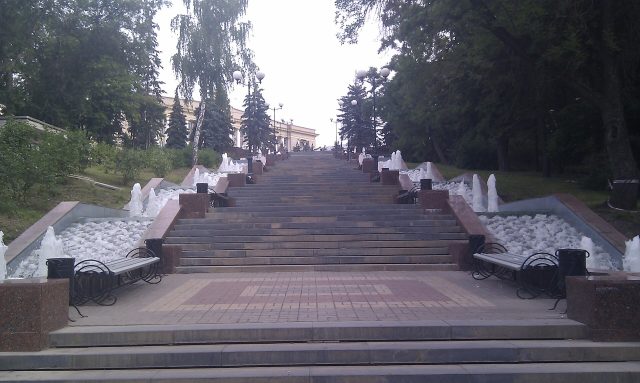
Sobornaya Square in Lipetsk is where the city reveals itself slowly, without fanfare. It doesn’t have the grandeur of Moscow’s historic plazas, where cobblestones whisper tales of the past. Instead, it offers something quieter—a sense of time moving at its own pace. The square isn’t an architectural masterpiece, nor does it boast legendary monuments. What it has is a presence shaped by Lipetsk’s rhythms, evolving over centuries.
The history of Sobornaya Square begins in the 18th century, when Lipetsk transformed from a settlement into an industrial hub. A wooden church once stood here, becoming the heart of the growing town. By the 1830s, it was replaced by the stone Cathedral of the Nativity of Christ. The cathedral’s bell tower dominated the skyline, visible from afar, while the square in front became a gathering place for trade and daily life. Merchant houses, shops, and inns sprang up around it, shaping pre-revolutionary Lipetsk.
Today, the cathedral is gone. Demolished in the 1930s, like many religious buildings across the country. In its place, a small park emerged, later giving way to a fountain. Yet Sobornaya Square retained its significance. It remains the city’s crossroads, where main streets converge, festivals are held, and people meet. The square has reinvented itself more than once, yet it never lost its role as Lipetsk’s heart.
The architecture here tells the story of different eras. Next to modern buildings stand 19th-century structures, their facades hinting at classicism and Art Nouveau. The former women’s gymnasium, built in the early 20th century, has clean lines and tall windows. Nearby, Soviet-era buildings, unremarkable but familiar, complete the picture. The contrast between old and new isn’t jarring—history’s layers coexist naturally.
One of the square’s notable features is the statue of Peter the Great, unveiled in 1996. The monument commemorates the emperor’s role in founding Lipetsk’s ironworks, which laid the city’s foundation. The statue is modest, but locals see it as a link between past and present. Tourists photograph it, and on commemorative days, flowers appear at its base. Yet the square never feels like an open-air museum—history and everyday life intersect here.
In summer, the fountain in the center runs from morning till night. Benches fill with pensioners chatting, students reading, and children playing. As evening falls, lights reflect in the water, lampposts casting warm pools of light. Winter brings a different mood: the fountain freezes, and a Christmas tree takes its place. During holidays, concerts fill the air, and families come to skate.
Sobornaya Square is a starting point for exploring Lipetsk. From here, it’s a short walk to Lenin Street, the city’s pedestrian thoroughfare with cafes and shops. A few minutes away lies Nizhny Park, one of the city’s greenest spots. Further still, the Voronezh River flows along a promenade with bike paths. The square suggests Lipetsk is small enough to explore on foot, without rushing.
Recent years have brought new benches, trash bins, and paved walkways. Yet these changes haven’t stripped the square’s character. What makes Sobornaya Square special isn’t its architecture or monuments—it’s the people. Old friends reunite here, parents push strollers, and schoolchildren linger after class. It’s where Lipetsk reveals itself: imperfect, but alive.
Sobornaya Square doesn’t need grand descriptions. It doesn’t aim to impress—it simply exists, like the city itself. There are no tourist traps, no pushy guides. Instead, there’s a quiet park, a murmuring fountain, and Peter the Great’s statue. Most of all, there’s the sense that Lipetsk isn’t just a dot on a map. Every corner has its own story. Sobornaya Square is one chapter of that story.