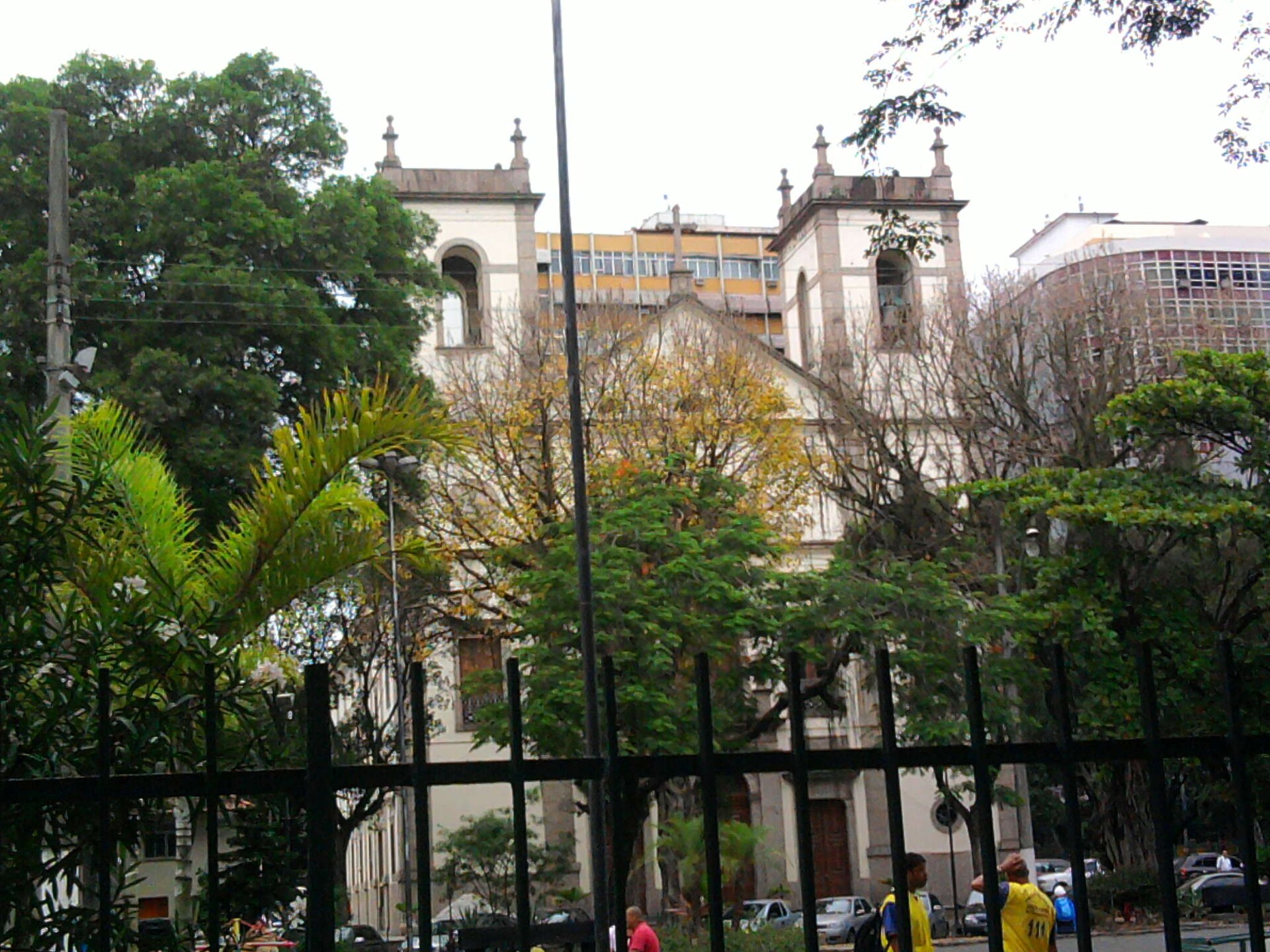
Saint John the Baptist Cathedral in Niterói is one of those places that doesn’t demand attention—it quietly waits for those who seek it. A short fifteen-minute ferry ride across Guanabara Bay from Rio de Janeiro, Niterói feels like a different world. The city moves at its own pace, with wide promenades stretching along the waterfront and fewer crowds than its famous neighbor. The cathedral sits in the historic center, not as a grand monument, but as a natural part of the city’s rhythm.
The building we see today was completed in the 1950s, but its story began much earlier. In the 19th century, when Niterói was still taking shape, a small chapel stood on this site, dedicated to the city’s patron saint. As the community grew, so did the need for a larger space. The current structure reflects the architectural trends of its time—practical, unadorned, and focused on function rather than spectacle.
From the outside, the cathedral is understated. Tall columns support a triangular pediment, a nod to classical temples, though without the usual ornamentation. The facade is clean and symmetrical, blending into the surrounding streets rather than dominating them. Inside, the space feels open and airy, with high ceilings and large windows that fill the nave with natural light. The altar is simple, free of excessive decoration, creating an atmosphere of quiet reflection.
Niterói’s cathedral isn’t just a place of worship—it’s a gathering point for the community. Throughout the year, it hosts cultural events, from charity fairs to concerts of sacred music. Local artists sometimes display their work here, and during festivals, especially on the feast day of Saint John the Baptist, the cathedral comes alive with visitors. It’s a space where faith and daily life intersect, where people come not just to pray, but to connect.
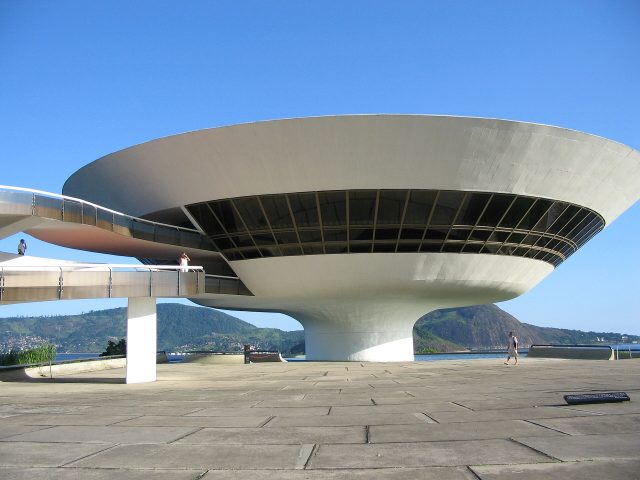
The area around the cathedral offers a glimpse into Niterói’s past. The historic center is a mix of old mansions, narrow streets, and small plazas, where the pace of life feels slower than in Rio. Just a short walk away stands the Museum of Contemporary Art, designed by Oscar Niemeyer. The contrast between the two buildings is striking—the museum’s futuristic curves against the cathedral’s classical lines—but together, they tell the story of a city shaped by different eras.
For travelers coming from Rio, the cathedral might not be the first place that comes to mind. There are no crowds here, no long lines, no iconic landmarks competing for attention. Instead, there’s a sense of stillness, a chance to step away from the noise and simply be. The cathedral doesn’t try to impress; it exists as a place of calm, a quiet counterpoint to the energy of the surrounding city.
Niterói itself is often overlooked, but that’s part of its charm. The city has its own character, less flashy than Rio but no less rich in history and culture. The cathedral fits into this landscape naturally, a place where architecture and community come together without pretense. Whether you’re drawn by faith, history, or just the desire for a moment of peace, it offers something rare—a space that feels both timeless and deeply human.