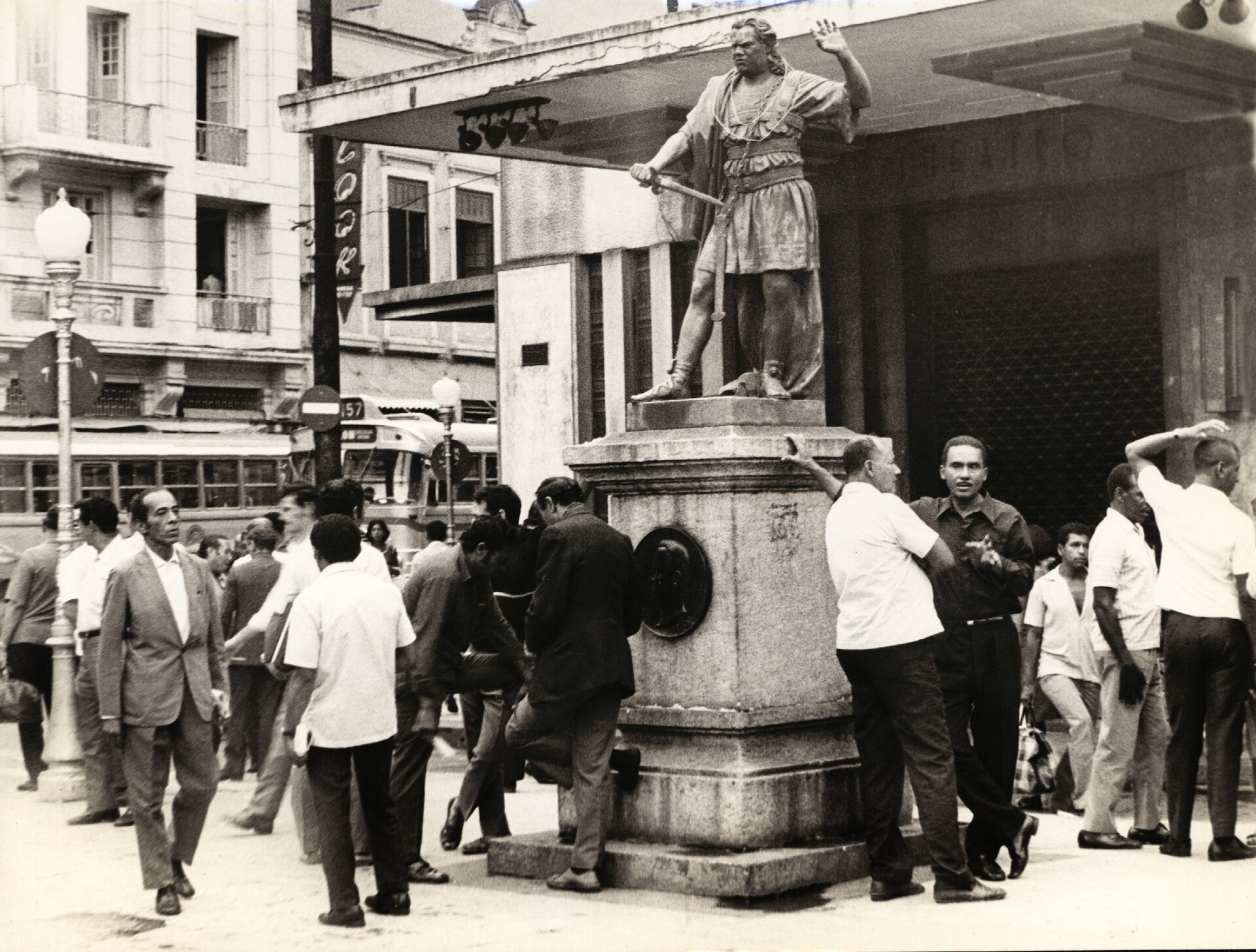
The João Caetano Theater in Niterói stands on a square lined with old buildings. Its classical facade—tall columns, arched windows—draws the eye. It wasn’t built only to host performances but to be a gathering place, a center where people saw Brazilian theater and music when culture was shared, not just watched.
The theater opened in the mid-1800s, when Niterói was the capital of Rio de Janeiro state. Local intellectuals wanted a space for art that wasn’t just for the elite. They named it after João Caetano, an actor and director who helped shape Brazilian theater. Caetano moved away from European traditions, staging works by Brazilian playwrights. His name on the theater’s marquee marks that change.
The building has been renovated, but the auditorium keeps its 19th-century feel. Balconies, ornate plasterwork, heavy velvet curtains, and crystal chandeliers remain. Even empty, the space feels ready for the next act.
The theater hosted more than plays. In its early days, it held concerts, literary readings, and political meetings. When Brazil was defining itself as an independent nation, such places mattered. They brought people together—artists, laborers, the rich, and the poor—to debate ideas and imagine the future.
Today, the theater still stages classical productions. It also runs contemporary performances, festivals, and workshops. Fewer people attend now, but for those interested in Brazilian theater history, it’s worth visiting. The halls carry echoes of past applause and murmurs of old audiences.
Niterói is often overlooked next to Rio de Janeiro. Yet places like the João Caetano Theater show its quieter side. The building isn’t just a landmark; it’s a piece of history that hasn’t faded. The architecture tells a story of a time when theater was part of daily life.
For travelers, the theater isn’t the usual first stop. That’s part of why it works. No crowds, no souvenir stands—just a quiet place that has endured. You can take a tour, see the auditorium, or sit in the foyer watching light through the chandeliers. A theater isn’t only about the stage. It’s about the walls that have held laughter, tears, and applause for over a century.
Brazil has worked to preserve its cultural heritage. The João Caetano Theater is one example. Restoration has kept its original character, so future visitors can still feel its history. It’s not just a building; it’s a link to the past. Art isn’t only something we watch—it shapes who we are.
If you’re in Niterói, stop by, even for an hour. You don’t need to love theater to notice the stillness here, the way the past lingers. Sit in an old seat, look around, and think about how much has changed—and how little people have. Theater has always been where reality and imagination meet. The João Caetano Theater is part of that.