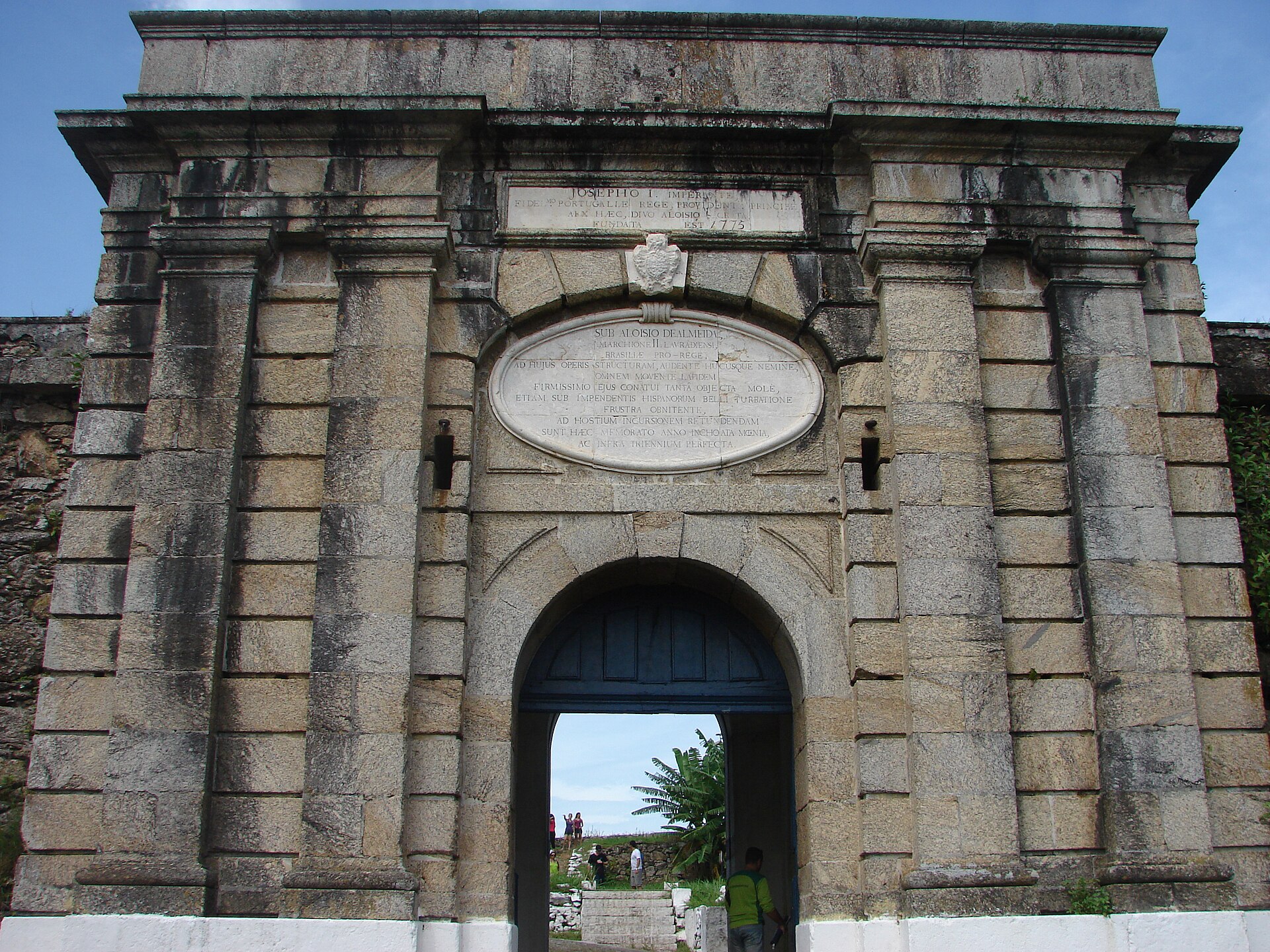
Fort São Luís is one of those places in Niterói where history isn’t just preserved in stone—it lingers in the salt-tinged wind that sweeps across Guanabara Bay. Built by the Portuguese in the mid-17th century, it was part of a network of fortifications to defend the entrance to Rio de Janeiro’s harbor from Dutch and French ships. Control over these waters meant control over the colony, and the fort played a role in that struggle. Its walls, weathered by ocean spray and tropical sun, still show the marks of empires rising and falling.
The architecture is Portuguese colonial: low, sturdy walls of local stone, built to withstand cannon fire. Narrow embrasures face the horizon where guns once stood. Inside, the casemates where soldiers lived and stored ammunition remain, along with a small chapel—common in military structures of that era. The fort never saw major battles. Its cannons fired more often in salute to arriving dignitaries than in combat. That’s why it survived intact.
By the 19th century, the fort’s military purpose had faded. It became a prison for political dissidents during Brazil’s turbulent years—after slavery was abolished, after the monarchy fell. São Luís held rebellious officers, intellectuals, anyone deemed a threat. Today, rusted bars on the casemate windows and faint inscriptions left by prisoners are all that remain. Some of them later became heroes; others stayed anonymous.
The fort became a museum in the 20th century. The exhibits include old maps, ship models, weapons, and personal items belonging to the soldiers who served here. The most poignant displays focus on the prison years: letters from inmates, orders from the commandant, sketches scratched into cell walls. The museum doesn’t aim for grandeur. It shows the raw stories of people for whom the fort was part of daily life.
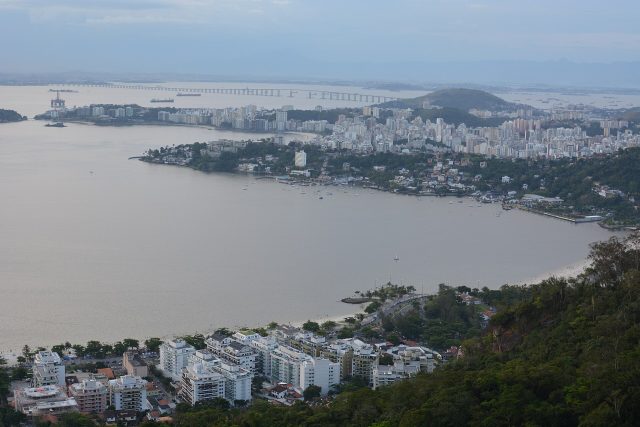
Locals come here to unwind. The views from its ramparts show Rio de Janeiro across the bay, with Sugarloaf Mountain and Corcovado in the distance. Below, boats move across the water. On weekends, the surrounding park fills with street musicians, vendors, and families on picnic blankets. The atmosphere is quieter than in Rio.
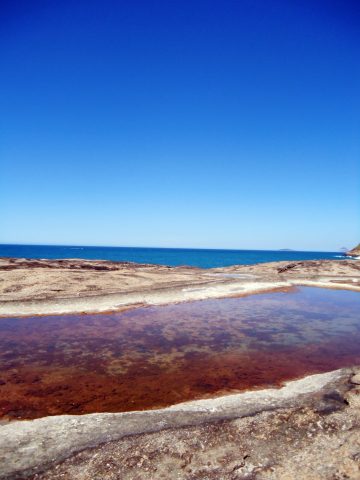
The fort sits on a narrow promontory. You can walk along Niterói’s waterfront or take a taxi. Palm trees and tropical flowers grow around the rough stone walls. Photographers come after rain, when moss-covered stones glisten. The contrast between the fort’s history and the nature around it makes for strong images.
For anyone interested in Brazil’s history, São Luís offers a glimpse into the past. There are no grand legends here—just the remnants of real lives. Soldiers guarded the bay. Prisoners dreamed of freedom. A nation evolved through conflict and compromise. Niterói often lives in Rio’s shadow, but places like this show another side of Brazil: not Carnival, but the quiet spirit of a country shaped by time.
What makes the fort special is its lack of pretense. It’s a relic of war, a prison, a museum, a park. It has survived by adapting. The stories it holds aren’t dramatic; they belong to ordinary people who passed through its gates. To visit is to step into those stories. Sit on a bench. Listen to the wind. The fort doesn’t need embellishment. It stands as it always has, a witness to the passage of time.