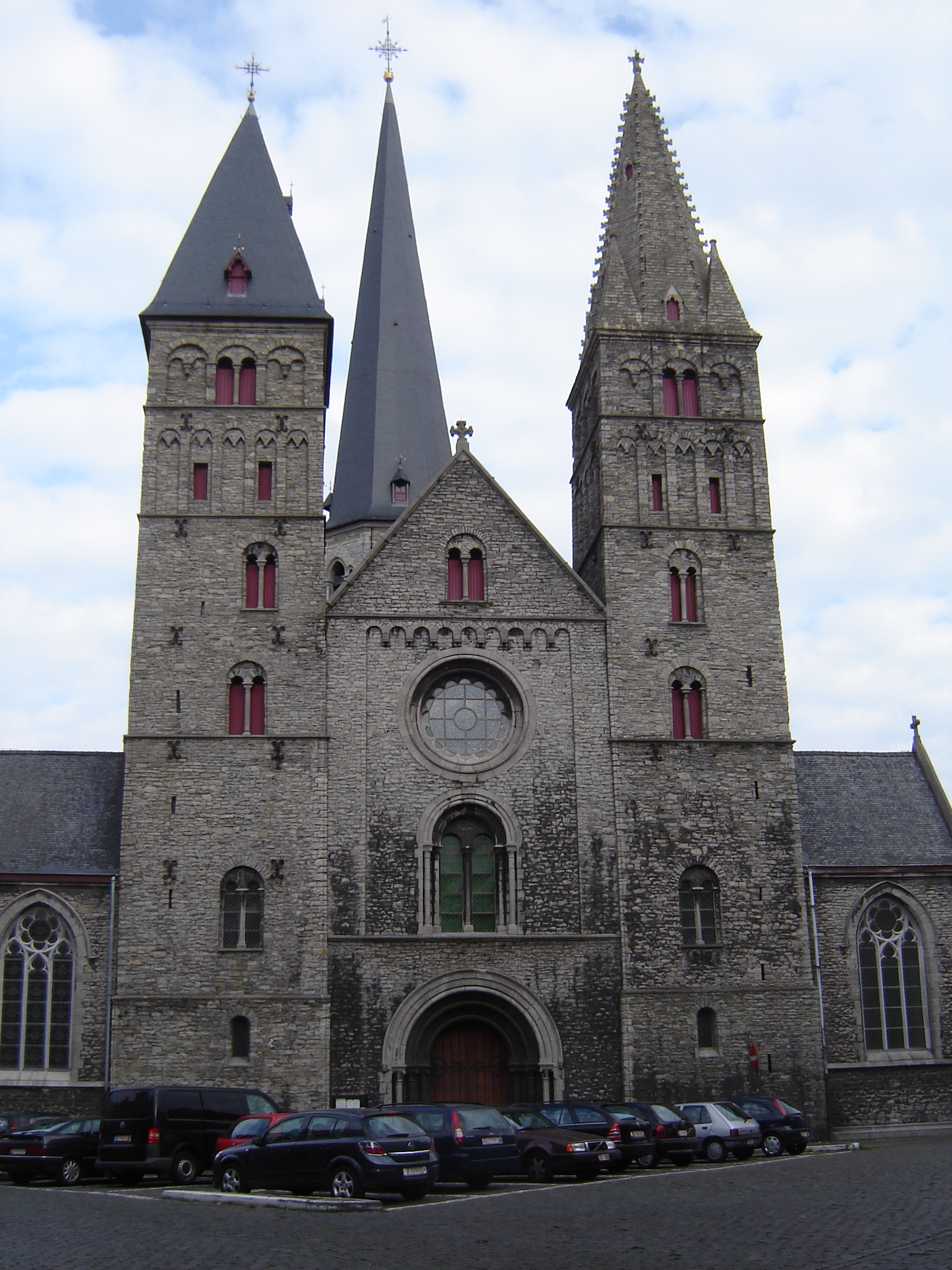
St. James’s Church in The Hague is one of those places that doesn’t immediately demand attention, yet slowly reveals its quiet significance. Tucked away on Rondel Square in the heart of the city, it stands surrounded by narrow townhouses and bicycle racks, a subtle reminder that history here is woven into everyday life. Unlike the grand cathedrals of Europe that dominate skylines with their towering spires, this church doesn’t overwhelm with scale. Its presence carries something distinctly Hague-like: a reserved dignity that doesn’t rely on grandeur.
The building dates back to the late 15th century, when The Hague was little more than a small town serving the court of the Counts of Holland. Originally a chapel built to serve the local clergy and nobility, it gradually expanded into a full-fledged church while retaining the hallmarks of late Gothic architecture typical of the Netherlands at the time. The tall brick tower, pointed arches, and delicate tracery on the facade all reflect an era when architecture expressed faith and status. Over the centuries, the church has witnessed the city’s transformation from a modest administrative center into the political heart of the Netherlands.
Inside, the church surprises with its design. The high vaulted ceilings, supported by slender columns, create a sense of airiness, while light filtering through the stained glass casts a soft glow across the walls. The acoustics are remarkable—even a quiet choir fills the room with sound, as if the walls were designed to carry music. This is the church’s defining quality: it doesn’t try to impress, but simply exists, a quiet constant in the life of the city.
The church has weathered upheavals over the centuries. During the Reformation, it was seized from the Catholics and handed over to the Protestants, a fate shared by many Dutch churches. The interior was stripped of its statues, altars, and paintings, adopting the minimalist aesthetic of Protestant tradition. Yet it retained its importance. It became the site of coronations for the stadtholders and later hosted significant state ceremonies. In the 19th century, as the Netherlands took on its modern form, the church was returned to the Catholics, though by then it had become a monument bridging different eras.
Today, St. James’s Church remains both an active place of worship and a space where history and contemporary life intersect. Services are still held here, but the church also hosts organ concerts, lectures, and exhibitions. The 18th-century organ, considered one of the finest in the country, draws classical music enthusiasts. Occasionally, modern compositions are performed within these ancient walls, creating a contrast. The church’s role in the city has evolved, but its presence remains steady.
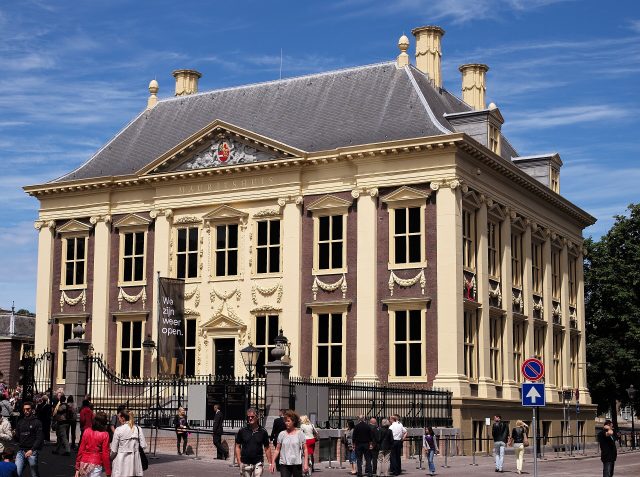
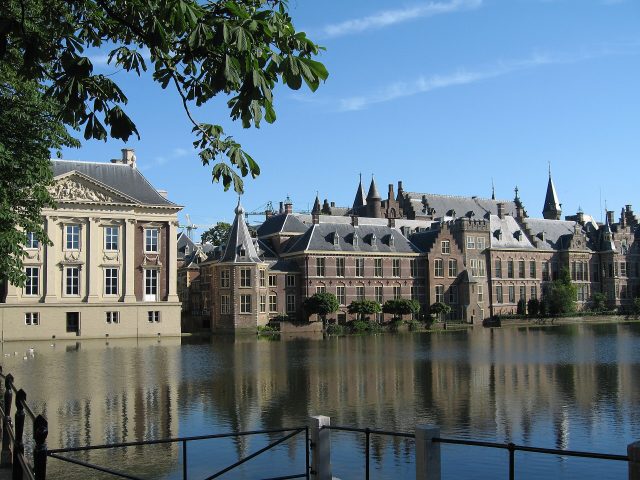
The Hague is a city where politics, art, and daily life coexist. Just a short walk from the Binnenhof, where the Dutch parliament convenes, and the Mauritshuis, home to Vermeer’s *Girl with a Pearl Earring*, the church offers a quiet counterpoint to the city’s bustle. It’s a place where you might stop after a stroll through the park or before visiting a museum, simply to sit in silence, listen to the organ, or study the details of the old brickwork.
Outside, life moves at its usual pace: flower vendors set up on Rondel Square, people sip coffee at nearby cafés, and cyclists weave through the streets. But step inside the church, and the noise of the city fades. Time seems to slow, measured by the quiet rhythm of footsteps on stone floors and the occasional echo of a hymn. This is why St. James’s is cherished by anyone seeking a moment of stillness in a busy city. It doesn’t tell grand stories about itself, but if you listen closely, you might hear the faint murmur of centuries past.