Scheveningen Park is where the city of The Hague dissolves into the sea. It stretches along the North Sea coast, a seamless blend of urban life and natural elements, where dunes melt into pathways and the sound of waves mingles with rustling leaves. There are no rigid boundaries here—just an open space that shifts with the seasons, the weather, and the people who wander through it. Some come for quiet reflection, others for movement, but the park accommodates all, offering a rare sense of freedom in a place where land and water meet.
The history of this area is tied to the transformation of Scheveningen itself. Once a modest fishing village, it evolved in the 19th century into a fashionable seaside resort, drawing the aristocracy and the wealthy bourgeoisie who sought refuge by the sea. The park emerged as a natural extension of this development, a place for leisurely strolls and fresh air. Over time, stories took root—whispers of King Willem I walking these paths, or other members of the royal family finding solace here. While evidence may be scarce, the park carries a quiet sense of the past, as if the echoes of those who came before still linger in the breeze.
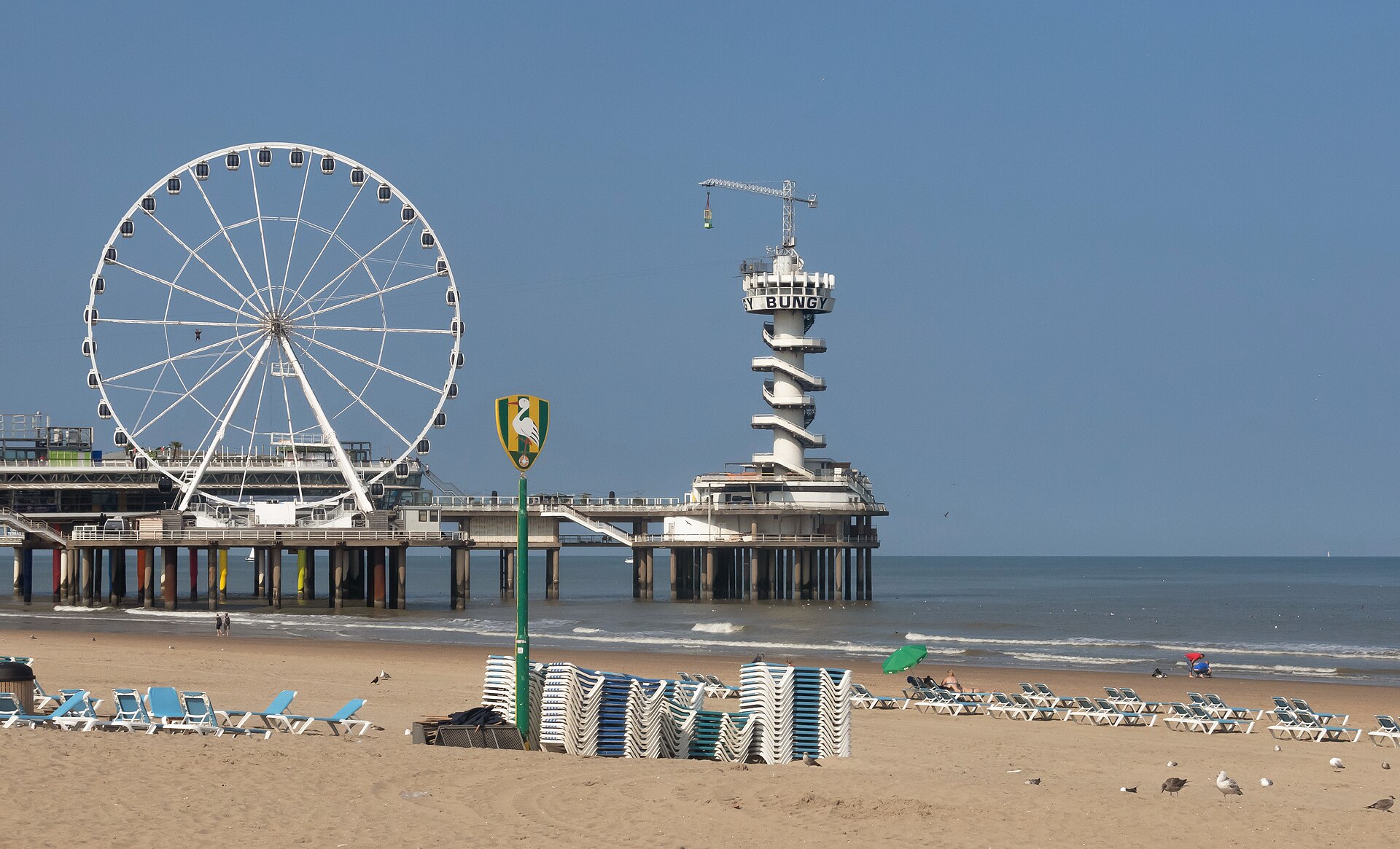
The architecture here is understated, almost invisible in its harmony with the landscape. There are no grand monuments or ornate structures, just the gentle curves of dunes, winding paths, and simple pavilions tucked among the greenery. Along the coast, a long tree-lined promenade leads toward the Scheveningen Pier, a landmark in its own right. Built in the early 20th century, the pier became a symbol of seaside leisure, a place for promenading, entertainment, and, later, thrill rides. Today, it remains a focal point, with cafes and observation decks offering views of the sea and the city beyond.
Beyond its recreational role, the park plays a vital ecological function. The dunes act as a natural barrier, shielding the coastline from storms and erosion. They provide a habitat for rare plants and animals, while the park itself serves as a migratory corridor for birds. In summer, gulls, terns, and even cormorants can be spotted along the shore, while spring and autumn bring flocks of migratory birds resting on their long journeys. For those who take the time to observe, the park offers more than just scenery—it’s a living ecosystem, quietly thriving at the edge of the city.
The park’s atmosphere shifts with the hours. Mornings are quiet, with only locals out for a run or walking their dogs. By midday, families, cyclists, and tourists fill the paths, while evenings belong to those who come to watch the sunset over the water. In summer, the park pulses with life—picnics on the beach, volleyball games, and occasional open-air concerts. Winter, by contrast, is stark and windswept, the perfect time to witness the raw power of the North Sea as waves crash against the shore. Each season brings its own rhythm, its own way of experiencing the space.
There’s no need to rush here. The park invites lingering—a sprawling lawn for a picnic, a secluded bench for reading, or a winding path for a long walk. Children’s playgrounds and outdoor fitness equipment cater to those who want activity, while the promenade offers a place to stroll, stop for coffee, or simply sit and watch the sea. Even in peak season, when the park is busiest, there’s always a quiet corner to escape the crowds. It’s a place where time seems to slow down, where the only agenda is to be present.
For The Hague, Scheveningen Park is more than just green space. It’s a retreat from the city’s hustle, a place to breathe in the salt air and reconnect with nature. It hosts everything from charity runs to street art festivals, becoming a stage for community life. Different generations and backgrounds intersect here, united by the simple pleasure of being outdoors. For many locals, a walk through Scheveningen is a ritual, a way to unwind and recharge.
What makes the park special is its lack of pretense. It doesn’t try to impress—it simply exists, shaped by the tides, the wind, and the people who pass through. You can wander without purpose, letting the sound of the sea and the rustle of leaves guide you, or you can explore with intention, discovering hidden nooks and familiar paths. Either way, Scheveningen leaves an impression of effortless openness, a rare quality in a world that often feels hurried. It’s a place where you can lose track of time, where the only thing that matters is the moment—whether you’re alone, with someone, or simply sharing the space with the sea.