The Binnenhof is where the Netherlands breathes its political life into history. Tucked behind a moat and old stone walls, this cluster of buildings feels suspended in time, yet inside, the country’s government still meets, debates, and shapes its future. Tourists and locals wander the same courtyards where, centuries ago, the fate of a republic was decided. It’s an unusual place—both a working seat of power and an open public space, where the past isn’t just preserved but actively lived alongside the present.
The architecture tells the story of a nation evolving. The oldest part, the Ridderzaal or Knight’s Hall, dates back to the 13th century, its thick walls and pointed windows a remnant of medieval Holland. This was where nobility gathered to discuss matters of state, and the building still carries that weight. Over the centuries, additions were made—Renaissance arcades, Baroque facades, classical columns—each layer reflecting the tastes and ambitions of its time. The result isn’t a single, cohesive style but a patchwork of history, where every corner reveals something new.
Today, the Binnenhof remains the political heart of the Netherlands. The Prime Minister’s office is here, along with the meeting chambers of the States General, the country’s parliament. What’s striking is how accessible it all is. Unlike many government complexes, the Binnenhof’s courtyards are open to the public, and visitors can wander freely, peering into halls when they’re not in use. This openness isn’t accidental—it’s a tradition rooted in Dutch history, where transparency in governance has long been valued.
The atmosphere inside the Binnenhof is unlike anywhere else in The Hague. Outside, the city hums with modern life—bikes clatter down cobbled streets, cafés spill onto sidewalks, and trams rattle past. But step through the gates, and the noise fades. The courtyards are quiet, even when crowded, as if the weight of history itself muffles the sound. It’s not just the architecture that feels old; it’s the sense that every stone has witnessed centuries of decisions, from wars and trade deals to the shaping of a nation’s identity.
For the Dutch, the Binnenhof is more than a historic site—it’s a symbol of their democracy. In the 17th century, when the Netherlands became one of Europe’s first republics, these walls echoed with debates on freedom and human rights. Today, those ideals still resonate here. There’s no grandiosity, no cold formality; instead, the Binnenhof feels like a place where ideas are tested and traditions upheld. Even visitors pick up on this—it’s impossible not to sense the weight of what’s happened here, and what continues to happen.
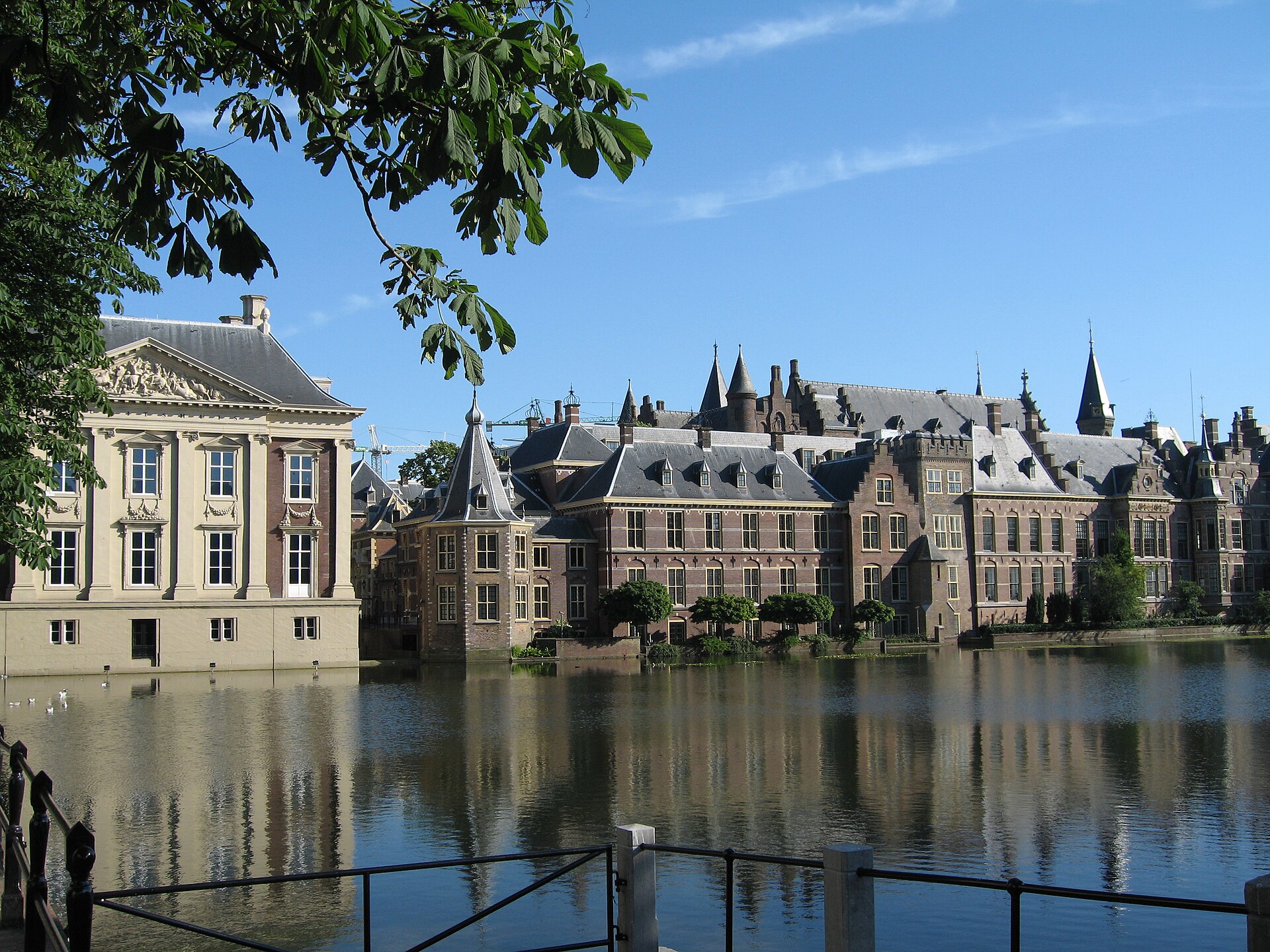
A walk through the Binnenhof is like flipping through the pages of a history book. Start at the Ridderzaal, where knights once feasted and nobles deliberated, then step into the inner courtyard, framed by arched walkways. From here, you can see the Hofvijver, a tranquil pond that was once part of the city’s defenses. Now, it’s a peaceful spot where ducks glide across the water and locals sit on benches, watching the world go by. If you’re lucky, you might catch a glimpse of politicians or staffers hurrying between buildings—they’re as much a part of the scene as the tourists snapping photos.
The Binnenhof hasn’t always been this open. In the Middle Ages, it was the private domain of the Counts of Holland, off-limits to ordinary people. Over time, as power shifted to merchants and city elites, the complex became more accessible. Today, guided tours offer a deeper look at its past, from its role as a royal library in the 19th century to its occupation by Nazi forces during World War II. Each era left its mark, and the layers of history are visible everywhere, from the worn steps to the faded murals.
Despite its political importance, the Binnenhof doesn’t feel imposing. It’s small enough to explore in half an hour, yet packed with details that invite closer inspection. Old lanterns cast soft light on cobblestones, carved doors hint at forgotten rooms, and narrow staircases lead to unexpected corners. It’s easy to get lost in the quiet rhythm of the place, where every arch and window tells a story. This isn’t a museum frozen in time—it’s a living space, still evolving, still in use.
For anyone curious about Dutch history, the Binnenhof is essential. It’s where you can trace the country’s transformation from a medieval county to a modern nation. But even if history isn’t your main interest, the Binnenhof has a way of leaving an impression. It’s a place to sit by the pond, watch the light play on the old buildings, and think about the generations who walked these same paths. That’s the quiet magic of the Binnenhof—it bridges the gap between past and present, between the official and the everyday, making history feel tangible.