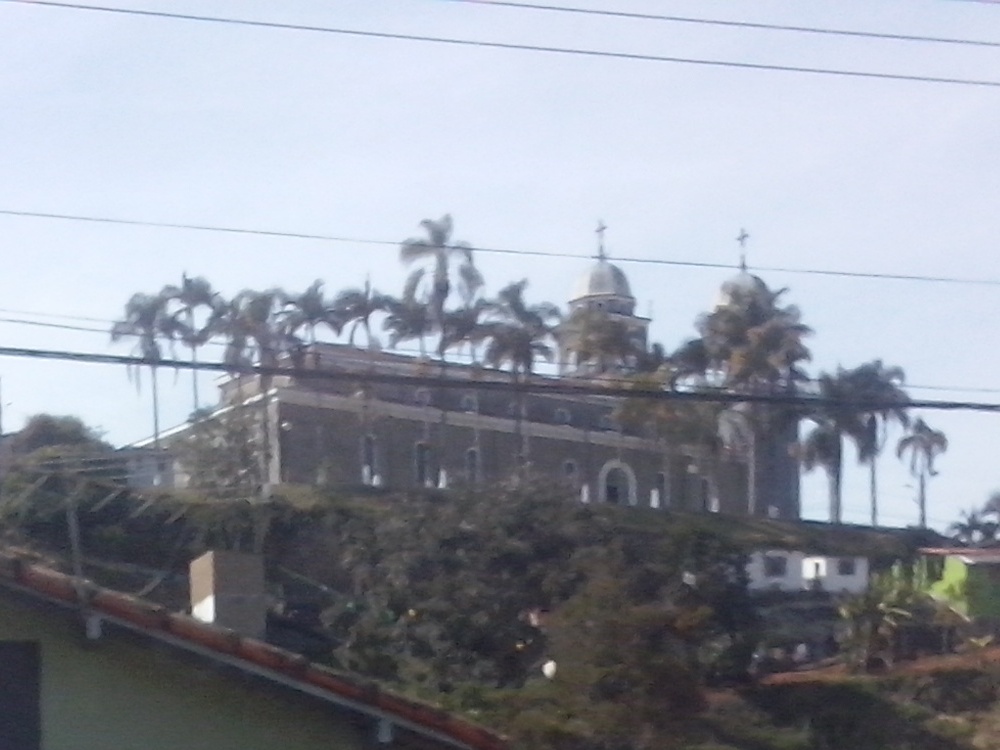
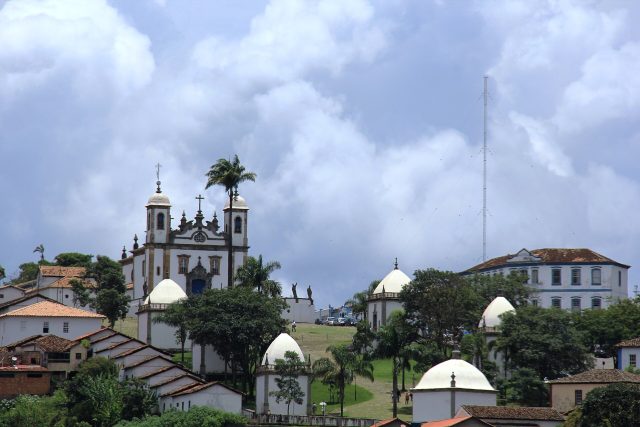
The Cathedral of Our Lady of Conception in Conselheiro Lafaiete is one of those places that doesn’t immediately demand attention, yet slowly reveals its quiet significance. This small city in Minas Gerais, named after the Brazilian politician and thinker Conselheiro Lafaiete, isn’t a major tourist destination like Rio or Salvador. It exists at its own unhurried pace, and the cathedral reflects that same understated rhythm. Unlike the grand European cathedrals or the ornate colonial churches of Brazil’s historic cities, this one doesn’t overwhelm with scale or decoration. Instead, it carries a different kind of weight—one tied to faith, community, and the passage of time.
Built in the mid-20th century, the cathedral arrived when Conselheiro Lafaiete was transitioning from a gold-rush settlement into a modest Brazilian town. Its architecture is straightforward, almost austere: clean lines, a simple facade, and little in the way of embellishment. From the outside, it might blend in with countless other churches across the country. But step inside, and the space feels different. High ceilings, light filtering through stained glass, and an enveloping stillness create a sense of calm that’s hard to find in bustling cities. There’s no grandeur here, just a quiet dignity.
The main altar is dedicated to Our Lady of Conception, the city’s patron saint. In Brazil, where Catholicism intertwines with African and Indigenous traditions, even small churches become spiritual anchors. Here, the cathedral isn’t just a place of worship—it’s a living part of the community. Sundays bring Mass, but the building also hosts local festivals, baptisms, weddings, and funerals. For many residents, it’s more than a structure; it’s where personal and collective histories converge. The saint isn’t an abstract figure but a presence woven into the fabric of daily life.
Over the decades, the cathedral has changed alongside the city. Each renovation tells a story. In the 1950s, when Brazil experienced economic growth, the church expanded, adding new details to its interior. Later, during periods of instability, it remained a refuge—a place where people could find solace. Today, the building shows its age: worn pews, faded paint, the occasional crack in the walls. But these signs of time don’t diminish its character; they add to it. The cathedral isn’t pristine, and that’s part of its charm. It bears the marks of the people who have passed through its doors, generation after generation.
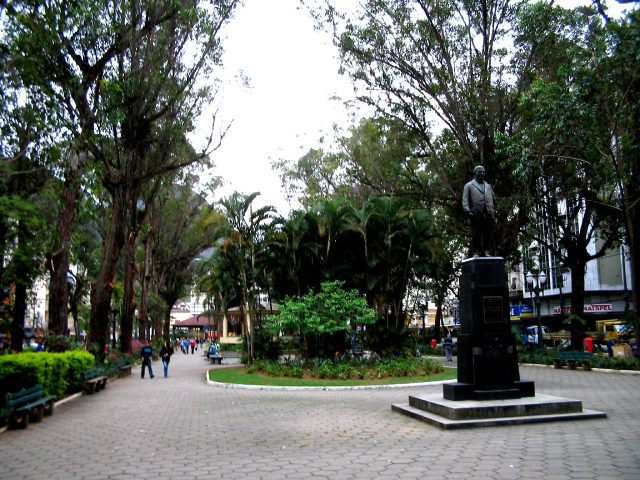
Outside, the square in front of the cathedral is where the city gathers. On weekends, you’ll find elderly men playing dominoes under the trees, children darting between benches, and vendors selling fresh fruit and homemade pastries. The atmosphere is relaxed, almost village-like, even though Conselheiro Lafaiete is no longer a small town. The cathedral stands at the center of it all, not as a imposing monument, but as a natural part of the landscape. It doesn’t dominate the scene; it simply belongs.
For visitors, the cathedral might not seem like an obvious attraction. There are no famous artworks or rare relics here, nothing that would draw crowds. But that’s precisely what makes it worth a visit. Inside, there’s no pretense—just faith, history, and the quiet passage of time. You can sit on a wooden pew, listen to the silence, and feel the city breathing beyond the walls. Sometimes, the most unassuming places hold the deepest meaning.
The Cathedral of Our Lady of Conception isn’t just a religious site; it’s a witness to change. It has seen the city evolve, watched generations come and go, and endured the shifts in Brazil’s own story—from colonial times to the present, from the gold rush to the steady pace of provincial life. That continuity is why it matters to the people here. In a world that moves quickly, the cathedral reminds them of what endures.
If you ever find yourself in Conselheiro Lafaiete, don’t rush past it. Step inside, even if you’re not religious. There’s nothing performative here—just light, quiet, and the sense that time moves a little slower. Maybe this is where you’ll find the real Brazil: not in the carnivals or beaches, but in the quiet, unassuming places where history and life unfold at their own pace.