The Gold Trail Museum in Conselheiro Lafaiete offers a quiet but compelling glimpse into one of Brazil’s most transformative eras. This was the time when the Estrada Real, or Royal Road, stretched across the rugged landscapes of Minas Gerais, carrying not just gold and diamonds, but the ambitions of an empire. The museum doesn’t just recount the wealth that flowed along these routes—it reveals the human stories behind it, the lives that were shaped, broken, and sometimes elevated by the pursuit of fortune.
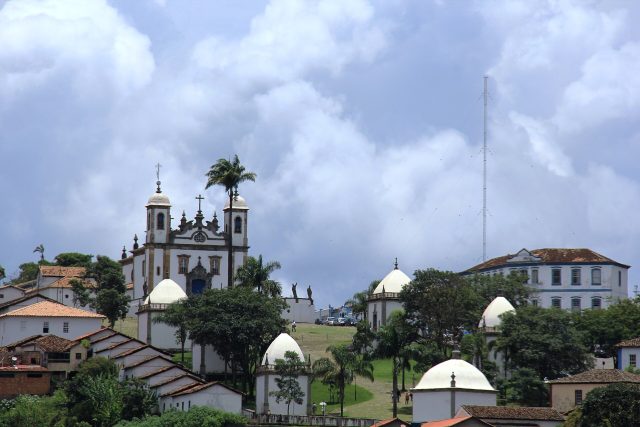
Housed in a colonial-era mansion, the museum itself is part of the narrative. The building’s thick stone walls and high ceilings speak of a time when this was a place of influence, where powerful families oversaw the movement of goods and people. Inside, the preserved interiors—wooden beams, heavy doors, and period furnishings—create an atmosphere that feels almost unchanged since the 18th century. Even if not every artifact directly ties to the Gold Trail, the space itself carries the weight of history, grounding visitors in the reality of colonial Brazil.
The exhibits are carefully curated to show more than just the economic impact of the Estrada Real. Tools used by prospectors, faded maps of the routes, and old coins tell one side of the story, but the museum also gives voice to those often left out of the grand tales of wealth. Slaves, free laborers, and merchants who traveled these roads left behind fragments of their lives—documents, personal items, and even weapons used to protect the precious cargo. Their experiences, though less celebrated, were just as vital in shaping the legacy of the Gold Trail.
Conselheiro Lafaiete was more than just a stop along the way; it was a crossroads where colonial authorities, local elites, and ordinary people intersected. The museum captures this dynamic, displaying not only everyday objects but also the tensions and collaborations that defined life here. A rusted musket, a merchant’s ledger, or a traveler’s worn-out boots—each item hints at the broader forces at play, the risks and rewards that came with being part of this vast network.
One of the most fascinating aspects of the museum is its exploration of cultural exchange. The Estrada Real wasn’t just a trade route; it was a conduit for ideas, traditions, and beliefs. European influences blended with African customs and Indigenous knowledge, creating a unique cultural tapestry. Religious artifacts, musical instruments, and jewelry reflect this fusion, while the pervasive influence of Baroque art—brought to Brazil through Minas Gerais—can be seen in everything from architecture to everyday design. The museum doesn’t just display these items; it shows how they became part of the region’s identity.
Beyond the past, the museum also connects the Gold Trail’s legacy to modern Brazil. Many towns along the route still bear the marks of colonial architecture, and traditions from that era persist in local festivals and crafts. In Conselheiro Lafaiete, celebrations tied to gold mining continue, and artisans keep old techniques alive in their work. The museum doesn’t present this as a relic of the past but as something that still shapes the present, a thread running through the country’s cultural fabric.
Visiting the museum isn’t like stepping into a textbook. There’s no grand narrative of heroes and villains, just a straightforward account of how gold and diamonds reshaped a region. For history enthusiasts, it’s a chance to see Brazil’s colonial era from a fresh perspective. For casual visitors, it offers a quiet revelation—an understanding of how this small town was once at the heart of something much larger.
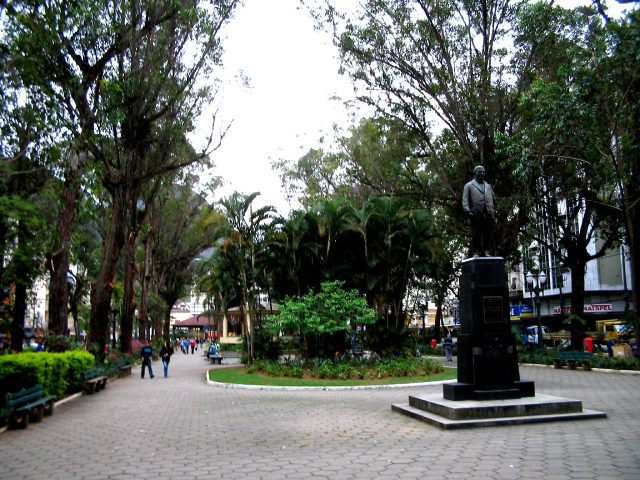
Conselheiro Lafaiete itself is unassuming, a quiet place where the past feels closer than in Brazil’s bustling cities. The museum isn’t just a collection of artifacts; it’s a reminder of the dreams and struggles that unfolded here. The gold rush may be long over, but its echoes linger in the stories told within these walls, in the objects that survived, and in the enduring legacy of a road that once connected a colony to the world.