Devil’s Cataract: Where the Zambezi River Meets the Edge
Victoria Falls doesn’t just impress—it overwhelms. The water crashing over the Zambezi’s edge hits you before you even understand what you’re seeing. Devil’s Cataract puts you at the brink of that power without asking you to step into the churning currents below.
This part of the falls gets its name from the small island splitting the water just before the plunge. The torrent narrows here, concentrating the force. Locals call it *Gwembe* in Tonga—"the noise that thunders." And it does. The sound isn’t just loud; it’s a deep, constant roar vibrating through you. This isn’t just a waterfall. It’s something that’s been shaping the land for millennia.
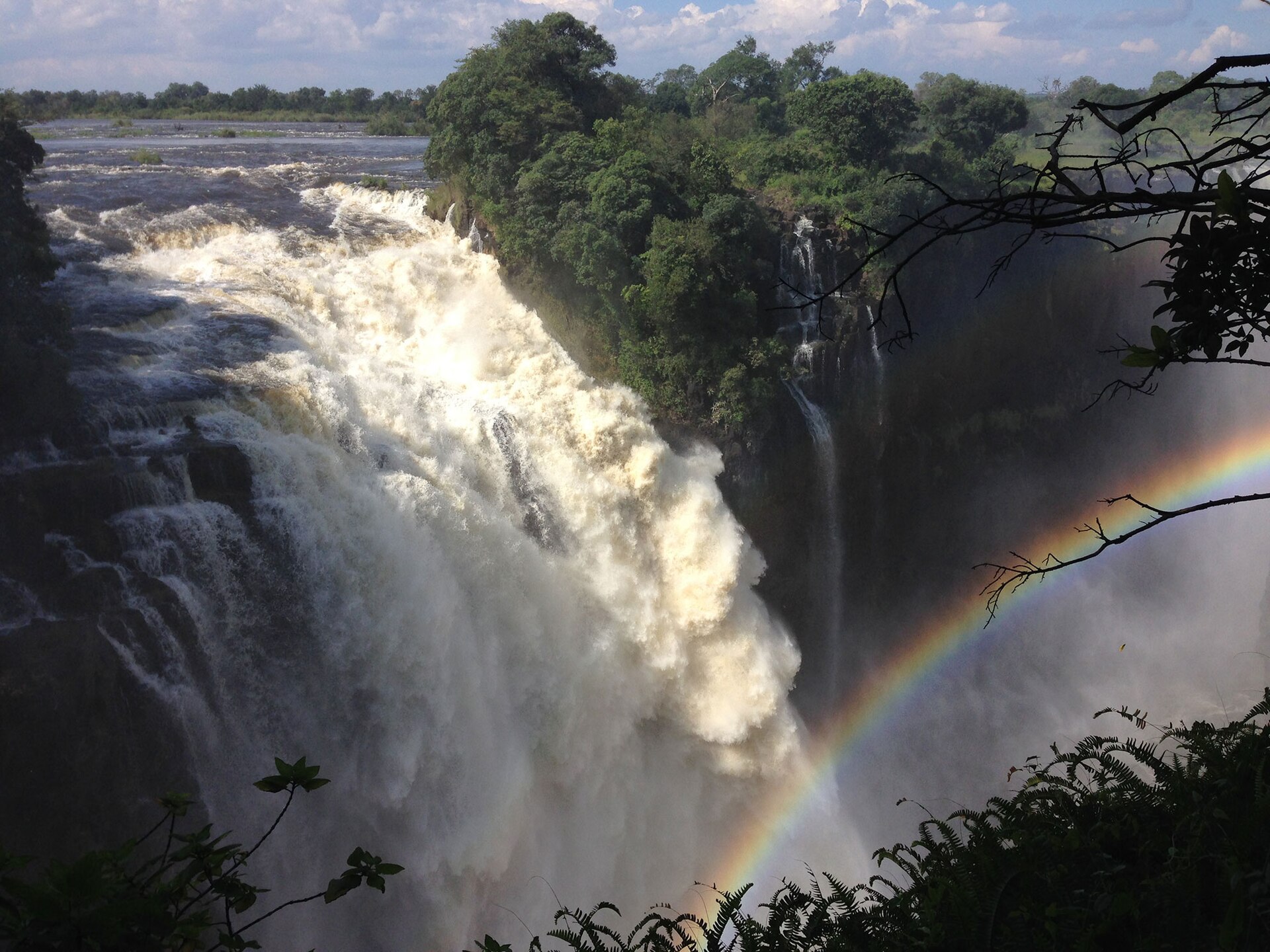
The viewpoint is a short walk from the main path along the falls’ edge. Fewer people gather here, so it feels like you’ve found a secret corner of the spectacle. The path isn’t polished—rocks and roots underfoot remind you this is wild, not some manicured attraction. From here, the water drops in a single sheet before exploding into mist. On clear days, the spray catches sunlight, throwing up rainbows that hang in the air.
Devil’s Cataract sits at the western end of the falls. This is where the Zambezi first meets the basalt plateau’s edge, dropping into the gorge below. The geology tells a story: layers of hard basalt form the lip, while softer rock beneath erodes over time. The falls are retreating upstream, carving the landscape as they go. It’s been happening for two million years. In geological terms, Victoria Falls is temporary—a brief moment in the river’s history.
From here, the river widens just before the drop, as if gathering strength. The water is muddy brown, carrying sediment from upstream. In the wet season, the spray can obscure everything, leaving you drenched. In the dry season, the flow lessens, revealing the rock face and the patterns of erosion carved over centuries.
For many, Devil’s Cataract isn’t just a photo spot. It’s where you stand and listen to the water’s relentless energy. The mist on your skin. The vibration in your bones. The noise drowns out everything else, forcing you to be present. The Tonga people, who’ve lived here for generations, believe the falls are home to Nyami Nyami, the river god. The water’s power is his presence.
The viewpoint is simple. No grand structures. Just a railing to keep you from the edge. Beyond that, it’s you, the rock, and the water. The lack of commercialization lets the natural drama take over. But the path can be slippery after rain, and the mist makes rocks treacherous. Wear sturdy shoes.
Standing here, you feel more than awe. The water rushing over the edge today is the same water that’s flowed here for thousands of years. It’s shaped the land and sustained the people in its shadow. Some places aren’t just destinations—they’re living parts of the world. Devil’s Cataract demands to be experienced. If you visit, you’ll leave with more than memories. You’ll carry the sound of the falls with you.