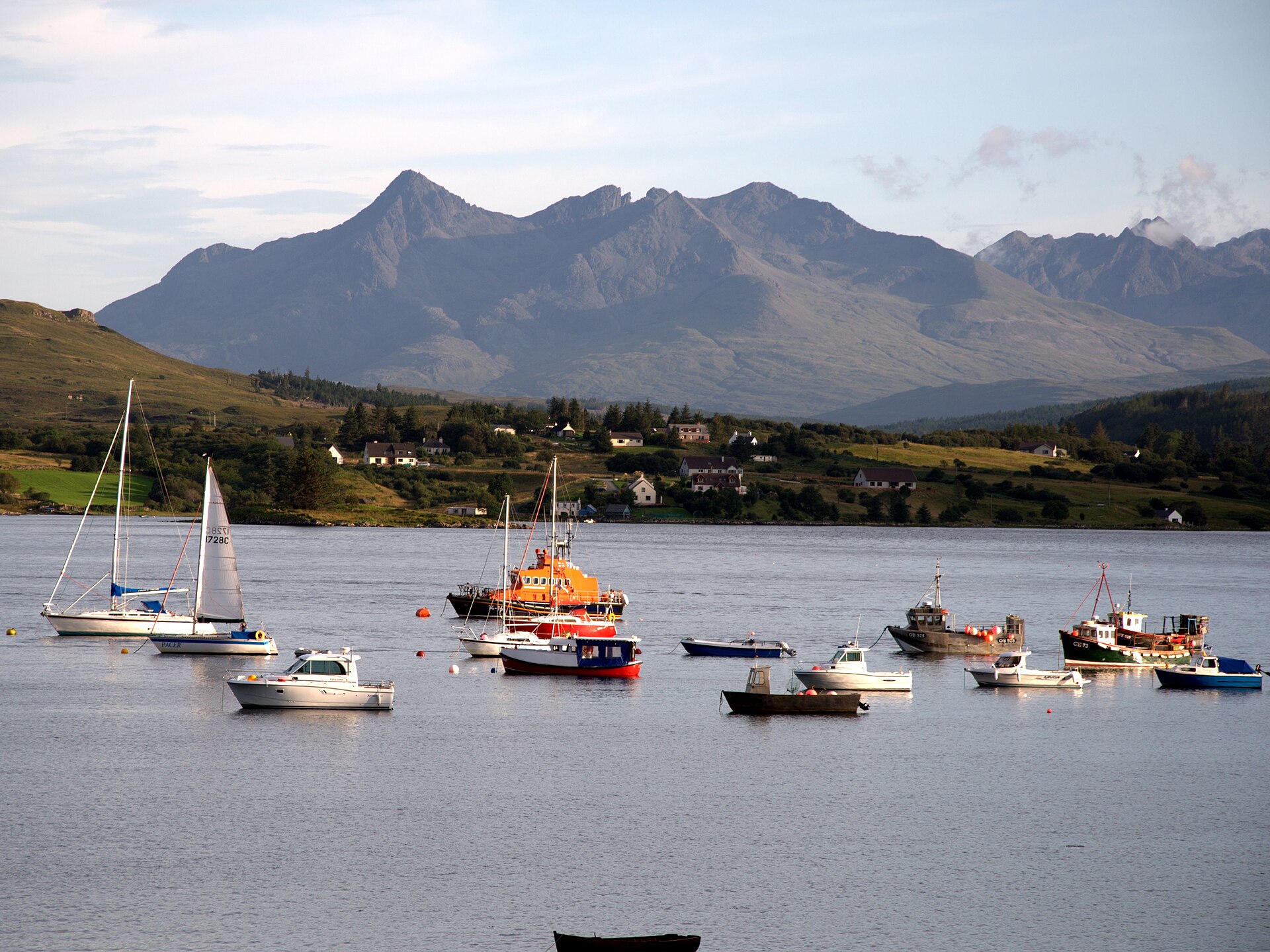
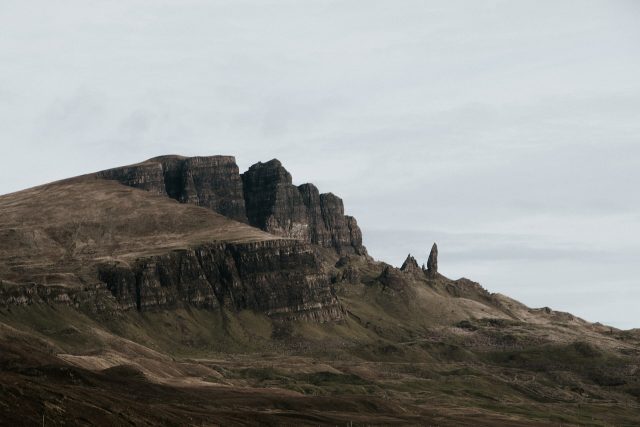
The Cuillin mountains rise above the Isle of Skye like a jagged crown, a landscape so dramatic it feels almost mythical. These aren’t just hills or even ordinary peaks—they’re a raw, unfiltered force of nature, where sharp ridges cut into the sky and deep gullies swallow the light. There’s nothing gentle about the Cuillin. The slopes are steep, the rocks unforgiving, and the weather shifts with a restlessness that keeps even seasoned walkers on edge. This is a place where the land doesn’t just exist; it commands attention, demanding respect from anyone who ventures near.
The range splits into two distinct parts: the Black Cuillin and the Red Cuillin. The Black Cuillin is the domain of climbers and hardened hikers, a labyrinth of basalt and gabbro where every ascent is a test of skill and endurance. Peaks like Sgùrr Alasdair, the highest point on Skye, loom like sentinels, their sheer faces challenging even the most experienced. The rock here is slick, the paths nonexistent in places, and the mist can roll in without warning, turning familiar terrain into a disorienting maze. The Red Cuillin, by contrast, is more forgiving in shape, its slopes softened by heather and grass, but it’s no less deceptive. The trails are rough, the stones loose underfoot, and the weather just as capricious.
The Cuillin has always been more than just a mountain range—it’s a living part of Skye’s story. For centuries, it has stood witness to the island’s history, from the ancient legends of the Celts to the feuds of Highland clans. The names of its peaks echo with folklore: Sgùrr nan Gillean, the Peak of the Young Men, or Gàbhar-àrd, the High Goat, a summit so steep it’s said to resemble a leaping animal. To the islanders, these mountains were never just stone and earth; they were a presence, sometimes benevolent, sometimes menacing. Even now, the old names linger, a reminder that this land has always had a voice of its own.
For those who prefer to keep their feet on gentler ground, the Cuillin still offers plenty. The walks around its edges reveal some of Skye’s most breathtaking scenery. The trail along Loch Coruisk, a dark, mirror-like lake cradled by cliffs, feels like stepping into another world. On still days, the water reflects the mountains so perfectly it’s hard to tell where the land ends and the sky begins. From certain vantage points, you can spot the distant shapes of Rum and Eigg rising from the Atlantic, or catch sight of red deer grazing on the slopes. If you’re lucky, a golden eagle might circle overhead, its wings cutting through the wind.
The Cuillin has a way of inspiring those who see it. Artists, writers, and photographers have long been drawn to its stark beauty, trying to capture the way the light plays across its ridges. The mountains change with the hours—mist-shrouded at dawn, sunlit by midday, bathed in the deep reds of sunset. Each season brings something new: spring wildflowers, summer’s lush greens, autumn’s fiery hues, and winter’s snow, which can make the peaks look like waves frozen in time. There’s no single way to experience the Cuillin; it’s a place that reveals itself differently to everyone who visits.
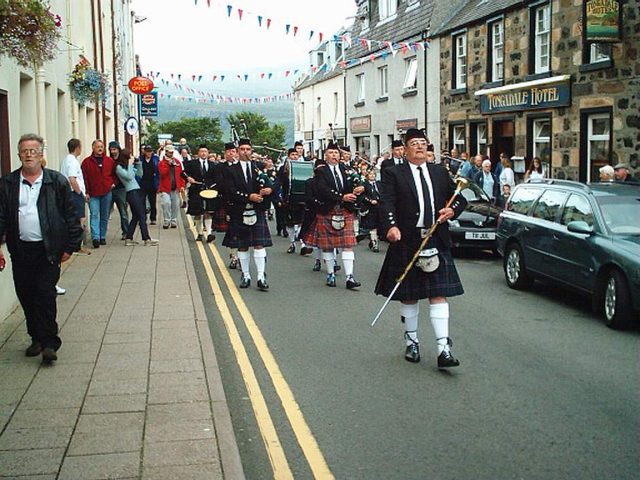
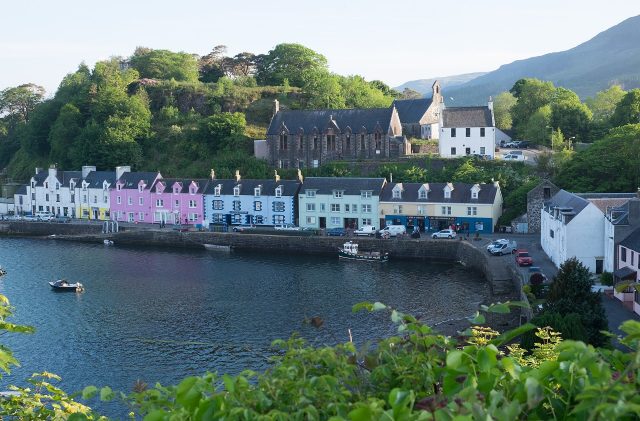
Despite its ruggedness, the Cuillin isn’t unwelcoming. The villages nearby—Elgol, Sligachan—offer a quiet respite after a day in the hills. Small inns and cafés serve hearty meals and steaming cups of tea, while locals share stories of the mountains, their voices warm with familiarity. There are no crowds here, no tourist traps, just the steady rhythm of island life. The people who live in the shadow of the Cuillin understand its moods, its dangers, and its rewards, and they’re quick to offer advice to those who ask.
The Cuillin doesn’t give its beauty easily. It asks for patience, for effort, for a willingness to meet it on its own terms. In return, it offers something rare: a sense of being part of something ancient and untamed. Whether you’re standing on a summit, gazing up from a valley, or simply watching the peaks from a distance, the mountains leave their mark. They’re a reminder that some places aren’t meant to be conquered—only respected, remembered, and, if you’re lucky, revisited.