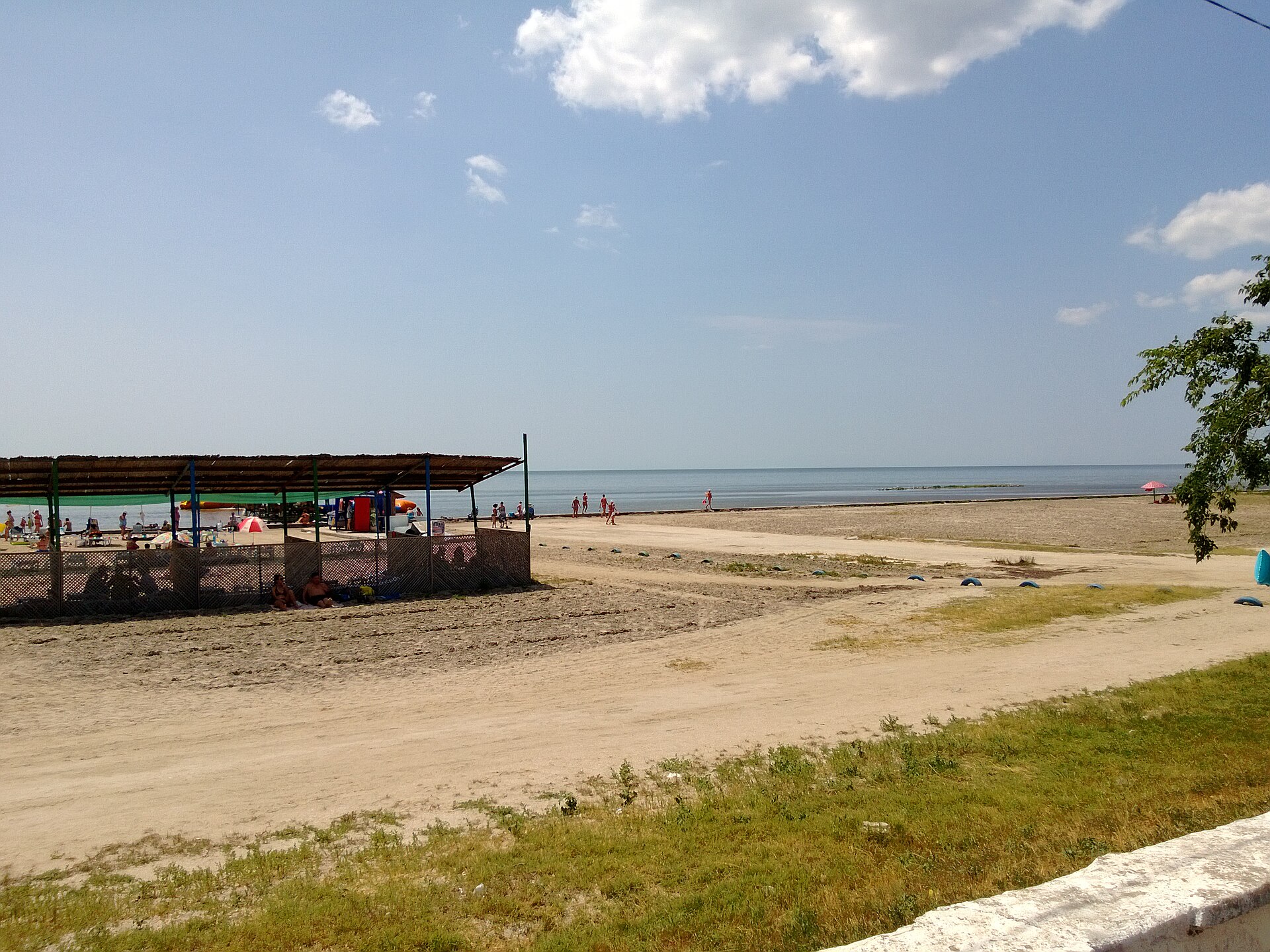
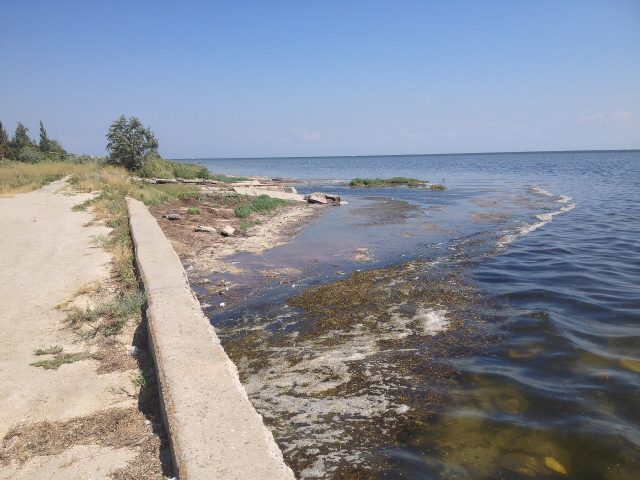
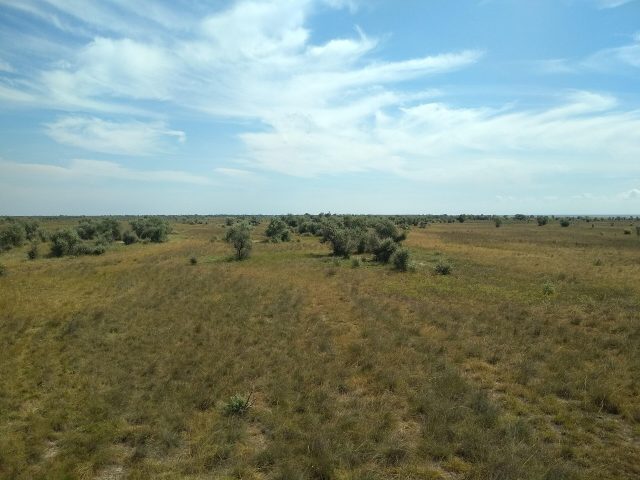
Skadovsk is one of those quiet Black Sea towns where summer feels like it stretches on forever—gentle waves lapping at sandy shores, the warm shallows perfect for wading, and the steppe wind carrying the scent of salt and wormwood. It’s easy to think of it only as a place to unwind, but beneath the familiar seaside routine lies a history that’s modest yet deeply rooted. You can glimpse it in a small building on Pokrovska Street, home to the local history museum.
The museum opened in the mid-20th century, when Skadovsk was no longer just a fishing village but hadn’t yet become the resort town it is today. Back then, the idea was to preserve the story of how it all began—the first settlers, the growth of the port, the lives of people who tied their fates to this stretch of steppe and sea. Over the years, the collection grew slowly, filling with everyday objects, photographs, and documents that piece together the town’s evolution.
The building itself is part of that story. Built in the early 1900s, it once belonged to a local family. The architecture is unassuming but typical of southern Ukrainian towns from that era—high ceilings, large windows to keep out the summer heat, and spacious rooms that still feel airy even on the hottest days. Today, the museum’s exhibits occupy the space, but traces of its past life remain: ornate door handles, plasterwork on the ceilings, and tiled stoves that once warmed the home on winter evenings.
Inside, there’s nothing grand or flashy. No gold treasures or world-famous artifacts, just objects that speak to daily life—old fishing nets, tools of local craftsmen, dishes that held meals a century ago. A significant section is dedicated to the town’s founding. Skadovsk emerged in the late 1800s thanks to Sergei Skadovsky, a landowner who envisioned turning this area into a port and trading hub. A pier was built, a railway laid, and the town began to grow, drawing merchants, workers, and settlers.
One room is devoted to World War II, a period that left deep scars here. Skadovsk was occupied, and after liberation, the town had to rebuild. The museum holds photographs from those years, letters from soldiers, and personal items donated by families whose relatives fought or worked on the home front. These aren’t glamorous relics, but they carry the weight of real lives and struggles.
There’s also a corner focused on the region’s nature. Visitors can learn about the flora and fauna of the Black Sea steppes, the birds nesting in the area, and the fish swimming in local waters. Special attention is given to nearby protected areas, like the Jarylgach Bay, where a nearly untouched ecosystem still thrives. Maps, photographs, and even taxidermy displays help paint a picture of this wild landscape.
A visit won’t take long—just an hour or two to wander through the few rooms. But in that short time, you start to sense the rhythm of a small coastal town that exists beyond its beaches and tourists. There are no crowds, no hustle, just a quiet conversation with the past, told through objects, images, and documents.
Skadovsk isn’t a cultural capital, and its museum isn’t a place people travel to for spectacle. But if you’re already here, if you want to see what lies beneath the familiar seaside scenery, it’s worth a stop. Afterward, the town might feel less like just a vacation spot and more like a place with its own memories, character, and story.