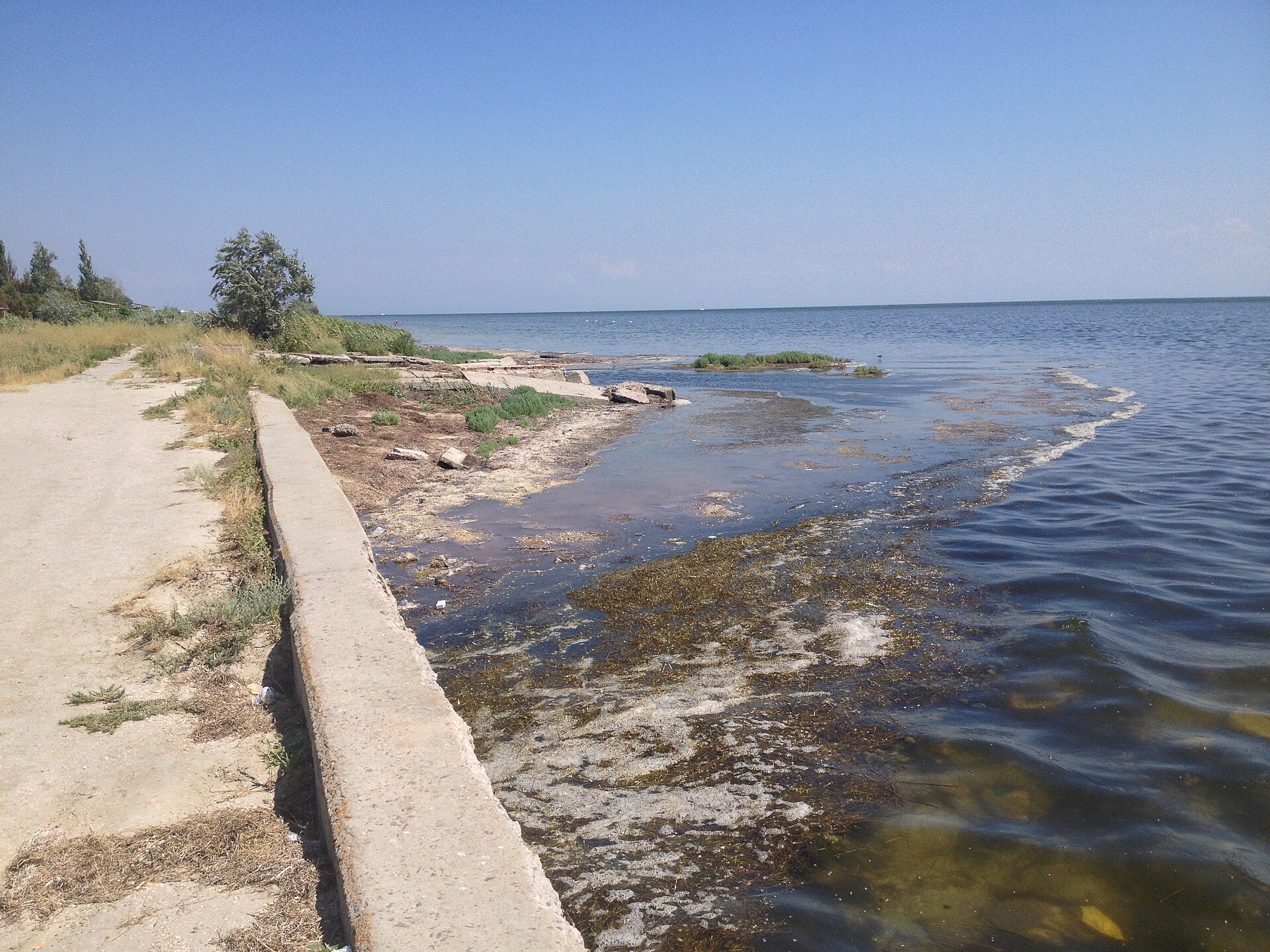
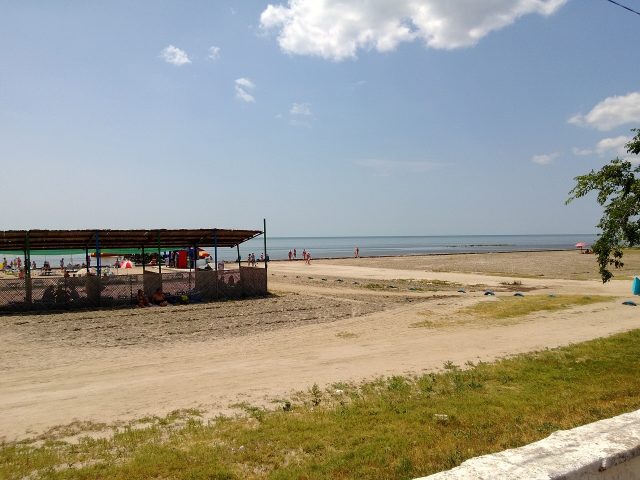
Skadovsk is one of those seaside towns where the horizon blurs into something almost imaginary. The line between sea and sky dissolves into a soft, endless stretch of light. It sits on Ukraine’s southern coast, far from crowded resorts and the buzz of tourist hotspots. Here, life slows to match the gentle lapping of waves against the shore. The town’s main beach, a long strip of coastline, draws those who come not for entertainment, but for quiet.
The sand is fine and pale, cool even in the midday sun. It doesn’t burn like the sands of more famous beaches. In the evening, it holds the day’s warmth after the sun has dipped below the horizon. The Black Sea here is calm, its waters clear enough to see the sandy bottom near the shore. There are no strong currents, no sudden drops—just a gradual slope that makes swimming safe for children and adults. By June, the water is warm enough to wade into without hesitation.
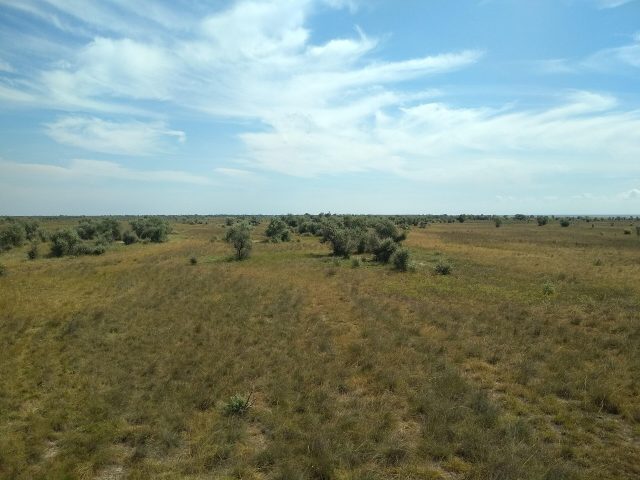
This isn’t the beach you see in travel brochures. There are no rows of rented sunbeds or umbrellas stamped with hotel logos. No vendors push overpriced drinks, and no loudspeakers blare music. Instead, the shore is open. People spread their towels wherever they please, families pitch tents for the day, and the only sounds are the cry of gulls and the rustle of wind through the dunes. Behind the beach, low sand hills covered in wild grasses give way to vineyards and fields. The air smells of ripe apricots and warm earth in summer.
Skadovsk’s history as a resort town began in the late 19th century. A local landowner, Sergei Skadovsky, wanted to turn this stretch of coast into a place of rest. He built the first villas and sanatoriums, and mud baths and mineral springs followed. During the Soviet era, the town became a retreat for workers and families. It never lost its quiet charm. Today, people come to step away from the noise of modern life—not to fill their days with activities, but to let time stretch out.
The town feels frozen in time. Low houses with tiled roofs, old mansions with balconies, and wide, tree-lined streets give Skadovsk a timeless air. Along the promenade, buildings from the early 20th century still stand. Once grand hotels and restaurants, they now house small cafes and shops. There’s no rush here. Even seafood stalls and ice cream vendors operate at a leisurely pace.
In summer, the beach is lively but never crowded. Most visitors are families with children, retirees, or people who stay for weeks. Kids build sandcastles. Fishermen cast their lines from folding chairs. In the evenings, small fires flicker along the shore as people grill fish or kebabs. The atmosphere is relaxed, almost communal.
Winter transforms Skadovsk. The beach empties, the sea turns gray and restless, and the wind sweeps dried seaweed across the sand. Yet even then, there’s beauty in it. Walking along the deserted shore, with the frozen sand crunching underfoot and the distant silhouettes of ships on the horizon, feels like stepping into another world. Locals say the sea is at its most honest in winter—raw, unfiltered.
Skadovsk doesn’t offer much in the way of entertainment. No water parks, no nightclubs, no guided tours. What it does offer is the chance to wake before dawn and walk to the shore alone, watching the first light paint the water in shades of pink and gold. Or to spend an entire day on the beach, doing nothing but watching the sky change color. It’s a place where you can lose track of time without guilt, where the only agenda is the slow rhythm of the waves.
This town and its beach are for those who’ve grown tired of the endless chase. They’re for anyone who wants to pause and breathe in the salt air without demands. There’s nothing extraordinary about Skadovsk—no grand monuments, no dramatic landscapes. Its magic lies in its simplicity. It exists as it always has, welcoming anyone willing to slow down and meet it on its own terms.