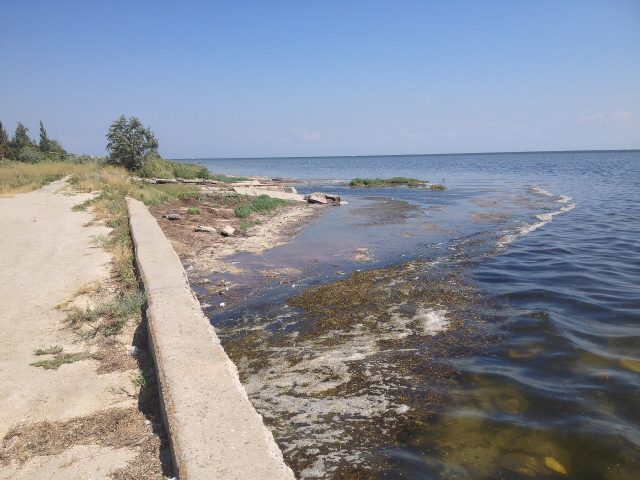
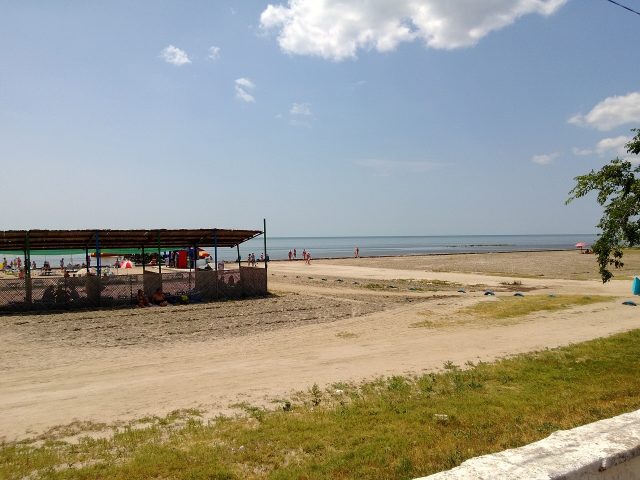
Jarylgach National Nature Park is one of those rare places in southern Ukraine where the landscape feels untouched by time. Stretching along the Black Sea coast, the park occupies the entire length of Jarylgach Island, the longest sandbar in Europe, nearly forty kilometers of shifting dunes, salt lakes, and wild beaches. There are no crowded resorts here, no souvenir stands or beachfront bars—just open space, silence, and the slow, unhurried rhythm of nature. For those used to the noise of cities, it can feel like stepping into another era.
The island has always been more of a refuge than a destination. Nomadic tribes passed through centuries ago, fishermen set up temporary camps, and even pirates once used its shallow waters and hidden coves as shelter. In the 19th century, attempts were made to build a lighthouse, but the harsh conditions—relentless winds, drifting sands, and the lack of fresh water—made permanent settlement nearly impossible. Today, the remnants of those efforts are barely visible: half-buried foundations, rusted metal fragments, and old maps marking the island as an unknown land. Jarylgach has always been a place that resists human control, and in many ways, it still is.
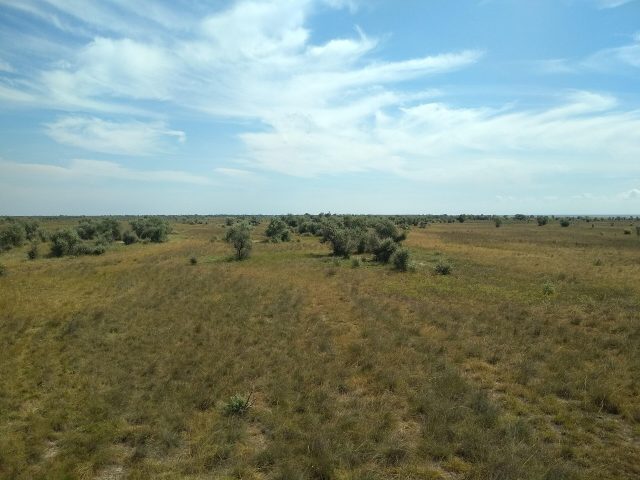
What makes the park extraordinary is its landscapes, which feel almost surreal in their simplicity. Endless sandy beaches, so fine they resemble flour, give way to salt flats where white crusts form under the summer sun. Low dunes, covered in sparse vegetation like wormwood and salt-tolerant shrubs, stretch along the shore, while inland, small freshwater lakes surrounded by reeds offer a stark contrast. These lakes become vital stopovers for migratory birds, especially in spring and autumn, when thousands of geese, ducks, and waders—including rare species—rest here before continuing their journeys.
The wildlife is as varied as the terrain. Dolphins can sometimes be spotted from the shore in the early morning, when the sea is calm and glassy. On land, foxes, hares, and hedgehogs move through the dunes, while tortoises hide in the reeds. But the real stars of Jarylgach are the birds. Gulls, cormorants, and herons nest here, and in winter, flocks of swans gather in the shallows. For birdwatchers, the park is a revelation—a place where you can observe species in near-pristine conditions, far from the noise and disruption of human activity.
The climate is mild but windy. Summers rarely get uncomfortably hot, as the sea breeze keeps temperatures bearable, while winters are mostly snow-free, with only occasional frosts. Spring and autumn are the best times to visit, when the steppe blooms with wildflowers or turns golden in the fall, creating a striking contrast with the deep blue of the sea. However, the island remains largely undeveloped. There are no hotels, restaurants, or regular transport links. The only way to get here is by boat from Skadovsk or Horly, and visitors usually camp or stay in simple fishermen’s huts.
This lack of infrastructure is part of the appeal for those who come here. There are no amusement parks, guided tours, or nightlife—just the sea, the sand, the wind, and the endless horizon. People visit Jarylgach for solitude, to listen to the waves, watch the sunset, or simply disconnect from the world. It’s a place that tests your comfort zone: no running water, limited supplies, and few modern conveniences. But that’s precisely why it feels so rewarding. The challenges make the experience feel more authentic, as if you’ve stepped into a world that operates on its own terms.
Ecologically, the park plays a crucial role. It acts as a natural barrier between the sea and the mainland, preventing erosion and protecting fragile ecosystems. Researchers study bird migration patterns, coastal water quality, and how plants adapt to extreme conditions here. The park is also part of international conservation efforts, as its wetlands are recognized for their global significance. Yet preserving this wild landscape isn’t easy. Shifting sands, poaching, and unregulated tourism all threaten the delicate balance, and every visitor’s impact is visible in a place where nature hasn’t yet learned to absorb human presence.
A trip to Jarylgach isn’t just a beach holiday—it’s a journey into a different kind of existence. There are no set itineraries, no tourist traps, just the freedom to explore at your own pace. You can spend the day wandering the dunes, hiking along the shore, or sitting by a fire as the waves roll in. But it’s important to remember that this place demands respect. Every footprint in the sand, every piece of litter left behind, stands out in a landscape that hasn’t yet adapted to human visitors. That’s why Jarylgach remains what it is: wild, mysterious, and utterly unique. It’s a reminder of how the world once was—and how rare such places have become.