Bet Shemesh Antiquities Museum is a quiet but compelling place where the layers of history in this region feel almost tangible. The city itself sits in a landscape shaped by millennia of human activity—ancient trade routes once crossed these hills, and the land still holds traces of settlements that thrived here thousands of years ago. The museum gathers those traces, weaving them into a narrative about the people who called this place home across different eras.
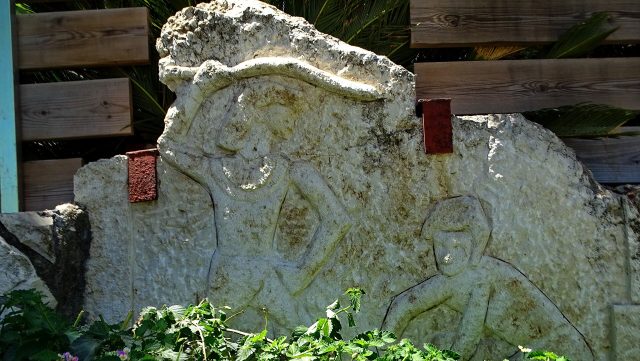
The exhibits span from the Bronze Age to the late Roman period, with a particular focus on artifacts unearthed in the surrounding area. Many date back to biblical times, when Bet Shemesh was a significant border town between the territories of the tribes of Judah and Dan. The collection includes everyday objects that offer a glimpse into daily life: pottery vessels, tools, coins, jewelry, and fragments of mosaics that once adorned homes and temples. A clay oil lamp, still bearing the marks of ancient flames, sits beside a broken amphora that once held wine or olive oil. Nearby, a bronze arrowhead might have been lost in one of the countless skirmishes that played out on these lands. Each piece tells a small story, not just of craftsmanship, but of the hands that used them.
The museum’s modest size works in its favor, allowing visitors to focus without distraction. The displays are arranged chronologically, making it easy to follow the evolution of technology, craftsmanship, and even domestic habits. The shift from stone tools to metal, the introduction of the potter’s wheel, and the development of coinage—all of these changes unfold step by step. What makes the experience especially interesting is seeing how different cultures overlapped here: Canaanites, Philistines, Israelites, Persians, Greeks, and Romans all left their mark, and the museum highlights how these groups interacted, traded, and sometimes clashed.
One of the most striking exhibits is a reconstructed section of an ancient water system that once supplied the city during biblical times. This isn’t just a model—it’s a real engineering feat uncovered during excavations and carefully preserved. Water has always been precious in this region, and the ingenuity behind these systems speaks volumes about the society that built them. The tools used by ancient laborers are displayed nearby, a reminder of the effort required to construct such systems without modern machinery.
Beyond archaeology, the museum also explores how Bet Shemesh’s role shifted over the centuries. In biblical times, it was a frontier town, a crossroads for caravans and armies. By the Roman period, it had become a provincial center, less strategically important but still inhabited. Later, Byzantine Christians and medieval Muslim communities left their own imprints on the land. The museum shows how these layers of history built upon one another, creating the complex identity of the region today.
Religious and cultural significance is a recurring theme in the exhibits. Fragments of pottery with ancient inscriptions offer clues about the languages and writing systems of the time. Ritual objects reveal how beliefs evolved—from the worship of local deities to monotheism. For many visitors, this aspect of the collection is particularly revealing, showing that the history of faith here is as rich and nuanced as its political or economic past.
The museum isn’t the kind of place you’d spend an entire day in, but it’s also not somewhere to rush through. It invites you to linger over details—to imagine the hands that shaped a clay pot, the family that used a particular lamp, or the soldier who might have lost that arrowhead. In that way, it does more than preserve the past; it makes it feel immediate, reminding visitors that history isn’t just a series of dates and events, but the lived experiences of real people.
For those interested in archaeology or Israel’s history, the museum serves as a useful starting point for exploring the surrounding area. Nearby sites like Tel Bet Shemesh and the Emek Tzurim National Park, where excavations are still ongoing, take on deeper meaning after a visit here. The museum provides context, explaining why this particular stretch of land has been so significant for so long.
Ultimately, the Bet Shemesh Antiquities Museum is as much about the present as it is about the past. It’s a reminder that the ground beneath our feet holds countless stories, each worth uncovering. That’s why it draws not just tourists, but locals too—people who want to understand the place they live in and feel a connection to those who came before them.